- News
- Politics
Ivory Coast: Political retirement claims ‘no longer valid’ amid Ouattara’s continued leadership
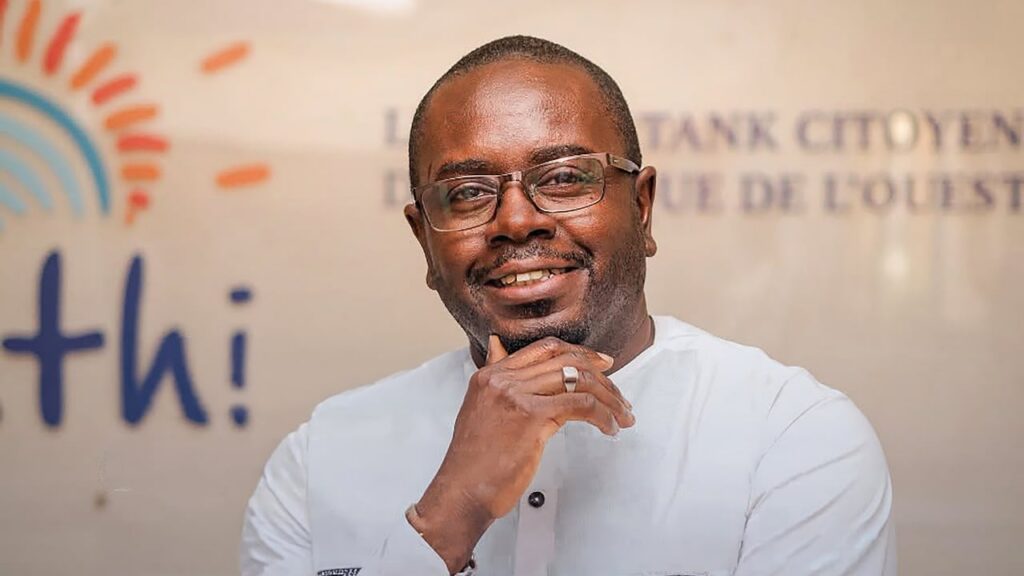
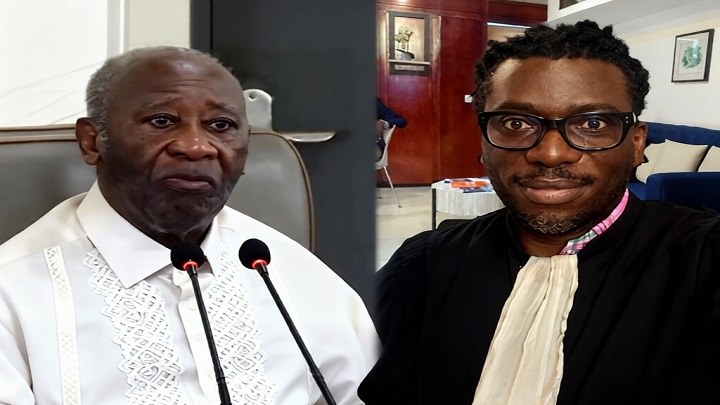
In a bold statement that has sparked national conversation, Ivorian lawyer Ange Rodrigue Dadjé has argued that criticism of President Alassane Ouattara‘s decision to remain in politics lacks justification. Speaking from Abidjan, Dadjé addressed the ongoing political dynamics in the country, emphasizing that the president’s continued leadership should now be accepted as a political reality.
The remarks come at a critical juncture in Ivorian politics, following the recent congress of the Parti des Peuples Africains – Côte d’Ivoire (PPA-CI), where former President Laurent Gbagbo was unexpectedly reinstated as party leader. This development has reignited debates about the permanence of political careers in Ivory Coast, particularly among the nation’s most prominent figures.
« Ultimately, we can no longer criticize President Ouattara for choosing to stay in politics after announcing his retirement plans, » Dadjé declared. His comments reflect shifting perceptions of political longevity in the country, where veteran leaders continue to play central roles despite earlier pledges to step aside.
Gbagbo’s unexpected political return
The PPA-CI’s decision to retain Gbagbo at its helm has surprised many observers. Just months prior, the former president had suggested he would gradually withdraw from active politics, stating in a 2025 interview with journalist Alain Foka that he would refrain from holding political office after the December 2025 legislative elections. « There is no retirement in politics, but I will refrain from occupying political functions within my party or the state. I have given enough, » Gbagbo stated at the time.
Yet, during the PPA-CI’s first ordinary congress held in Abidjan on May 14-15, 2026, Gbagbo reversed course, declaring under thunderous applause: « I remain for the struggle. » This public reaffirmation of his political commitment has reshaped the national discourse, raising questions about the inevitability of veteran leaders’ continued influence.
Ouattara’s contested political longevity
President Ouattara’s own political trajectory has faced scrutiny in recent years. In 2020, his decision to seek a third term after previously indicating he would step down triggered significant backlash from opposition groups, including the PPA-CI. Critics argued that his candidacy violated democratic norms and undermined earlier commitments to generational transition.
Now, with Ouattara running for a fourth term in the October 2025 elections at age 83, Dadjé contends that the political landscape has evolved. « The realities of governance often force leaders to reconsider their initial plans, » he noted. Ouattara justified his candidacy by citing the need to maintain stability amid regional security and economic challenges, asserting that his continued leadership was « a carefully considered duty for the nation’s greater good. »
Generational transition in Ivorian politics
The PPA-CI’s decision to retain Gbagbo at its helm has intensified discussions about whether veteran politicians can truly disengage from public life when their supporters demand their continued leadership. This dilemma mirrors broader questions about political succession in Ivory Coast, where figures like Gbagbo and Ouattara remain central to national discourse despite their advanced years.
The ongoing political engagement of these leaders underscores a paradox in Ivorian democracy: while calls for generational renewal grow louder, the reality often reflects the enduring influence of historical figures whose legacies continue to shape the nation’s future.