Who is Kémi Séba and why is he a major figure in francophone Africa?
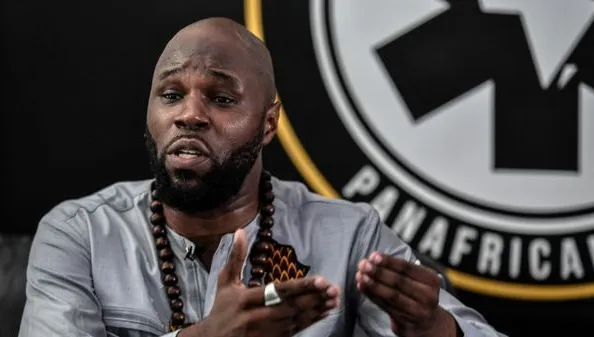
In francophone Africa, Kémi Séba stands out as a polarizing figure. With over a million Facebook followers and viral YouTube content viewed hundreds of thousands of times, this 42-year-old Béninois activist has built a powerful digital presence. His anti-Western rhetoric and panafricanist speeches attract large crowds at his public meetings across the continent.
His recent declaration on social media following the loss of his French nationality—“No more French citizenship, glory to God. I am free from this burden”—sparked renewed interest in his profile. This decision, formalized by a decree published in early July, came after years of controversial activism, including a 2006 conviction for racial hate incitement.
From panafricanist movement to accusations of pro-Russian propaganda
Kémi Séba’s influence extends far beyond francophone Africa. His organization, Urgence Panafricaines, regularly organizes international conferences in countries like Brazil, Iran, Russia, and Venezuela. Notably, he was invited to the Russia-Africa Summit in Saint-Petersburg, a gathering organized by Vladimir Poutine himself.
His alignment with Russian interests has drawn significant attention. According to Jeune Afrique’s 2023 investigation, Evgueni Prigojine—the late leader of the Wagner Group—directly funded and directed some of Séba’s campaigns. This connection raises questions about his role in Russia’s influence operations across the African continent.
In France, Séba has been publicly accused by the National Assembly’s Defense Commission of serving as a propaganda relay for Moscow, amplifying anti-French sentiment in Africa. His rhetoric often targets Françafrique and the CFA franc, labeling them as colonial tools.
A vocal supporter of anti-French regimes in Africa
Kémi Séba’s positions align closely with African nations that have distanced themselves from France. He openly applauded coups in Niger, Mali, and Burkina Faso, declaring: “More countries will join this movement—we are working hard on it.”
While Séba denies being under Russian influence, his actions consistently support Moscow-aligned regimes. His anti-colonial rhetoric resonates with audiences frustrated by historical ties to former colonial powers, positioning him as a key player in Africa’s geopolitical shifts.
What’s next for Kémi Séba?
With his French nationality revoked and his influence growing, Séba’s role in Africa’s evolving political landscape remains a subject of intense debate. As Russia deepens its foothold on the continent, figures like Séba serve as critical propaganda amplifiers—whether willingly or not.