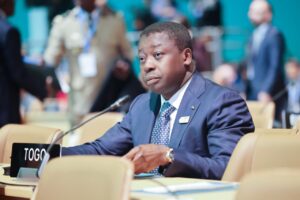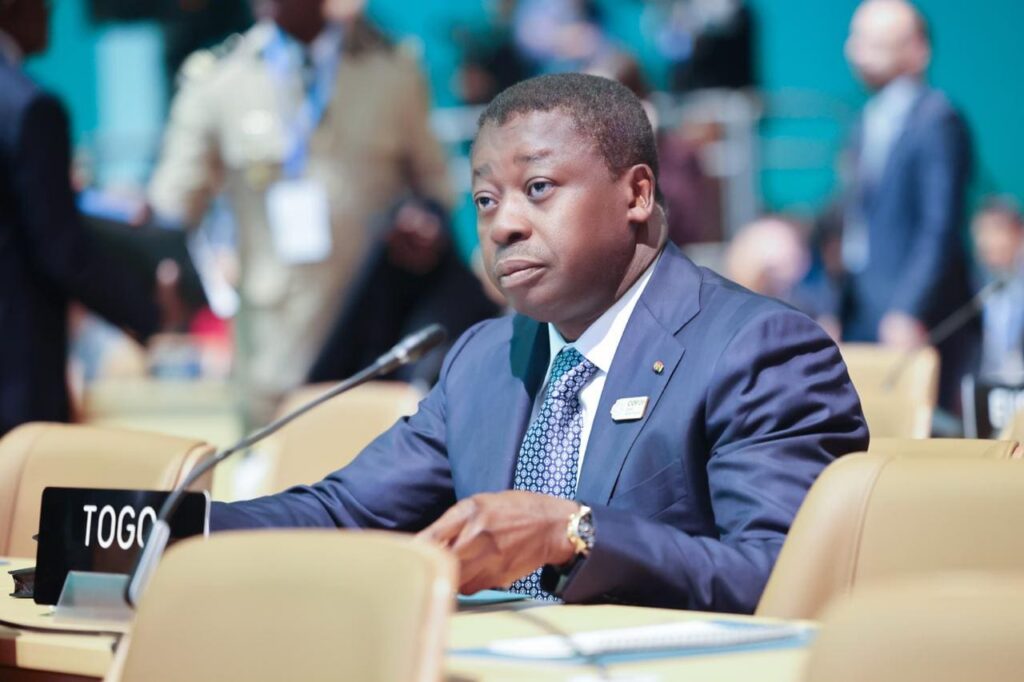
Faure Gnassingbé took part in the World Nuclear Symposium in London at a critical juncture when atomic power is resurfacing at the heart of international energy roadmaps. For Togo, the primary objective is not an immediate rush toward constructing a power station, but rather securing a strategic foothold in an industry where operational standards, technologies, and financing models are undergoing rapid transformation.
Positioning within a global nuclear resurgence
Convened under the banner of moving from ambition to action, the gathering drew government leaders, industrial pioneers, financiers, and technical specialists to chart pathways for accelerating atomic power deployment. An overarching international target to triple atomic energy output globally by 2050 infused the summit with particular urgency.
For Lomé, this international momentum represents an invaluable forum for high-level dialogue. The leadership’s participation provides an opportunity to explore potential alliances, comprehend the intricate demands of the sector, and evaluate the prerequisites for eventually integrating civilian nuclear solutions into national development frameworks.
Laying institutional and technical foundations
This engagement aligns with broader national efforts in Togo to diversify power generation and achieve lasting improvements in domestic electricity access. Within this context, atomic power emerges as a viable long-term alternative alongside other energy solutions capable of bolstering national power independence.
Nevertheless, developing an atomic framework involves far more than simply establishing generation capacity. Operating within this sector necessitates resilient institutions, stringent safety protocols, specialised technical expertise, and substantial capital investment. Togo intends to steadily assemble these foundational elements through ongoing collaboration within specialized global bodies.
As a serving member of the Board of Governors of the International Atomic Energy Agency, Togo is actively expanding its footprint in continental discussions regarding civil nuclear power, an engagement underscored by its preparations for NEISA 2026 in Kigali.
Rather than setting an immediate operational timetable in London, Togo is focusing on mastering the ecosystem, initiating essential technical dialogues, and establishing the groundwork required to make well-informed decisions regarding its long-term power trajectory.