The World Bank has approved a $100 million grant from the International Development Association (IDA) to strengthen Mali’s healthcare system, ensuring accessible, high-quality services for reproductive, maternal, neonatal, infant, adolescent, and nutritional health. The initiative also bolsters preparedness for health emergencies in vulnerable regions.
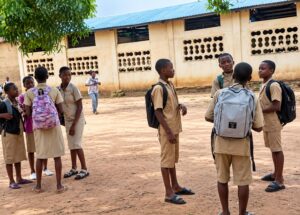
The project, titled Keneya Yiriwali (meaning “Health for All” in Bambara), adopts a results-based financing (RBF) approach to enhance essential healthcare services, particularly in underserved areas. It prioritizes RMNCAH+N services—reproductive, maternal, neonatal, child, and adolescent health and nutrition—by expanding coverage and strengthening the healthcare pyramid. Funding will support critical inputs and performance-based payments in targeted regions and schools, improving service delivery and availability. Key focus areas include adolescent health, climate-related health risks, and pandemic preparedness. The project also aims to optimize healthcare spending through better budget management, streamlined financing, and improved information systems linking budgets to outcomes.
«The expansion of RBF, with a focus on climate and emergency risks, is central to delivering high-quality healthcare in Mali through Keneya Yiriwali,» said Clara de Sousa, World Bank Country Director for Mali. «Building on the PACSU project’s success, which enhanced healthcare utilization, quality scores, and patient satisfaction in nine regions, RBF has proven transformative—strengthening health facilities, local hiring, infrastructure, and lab equipment.»
The total funding for this initiative amounts to $125 million, combining the $100 million IDA credit with a $25 million grant from the Global Financing Facility (GFF), including $15 million from the Dutch government. This partnership has been instrumental in implementing RBF in Mali since 2020 through the PACSU project.
«With continued support, the GFF grant and Dutch co-financing will drive alignment to improve health services for women, children, and adolescents in Mali,» noted Luc Laviolette, Executive Secretary of the GFF. «Investing in resilient, inclusive healthcare systems ensures that even the most remote and climate-vulnerable communities receive the care they need.»
Keneya Yiriwali targets over 15.4 million people, including 3 million children under 5 and 3.4 million women aged 15–49. Coverage extends from initial PACSU regions—Gao, Mopti, Douentza, Bandiagara, San, Ségou, Koulikoro, Dioïla, and Nara—to high-poverty areas like Tombouctou, Bougouni, Koutiala, Sikasso, and Bamako’s Commune VI.