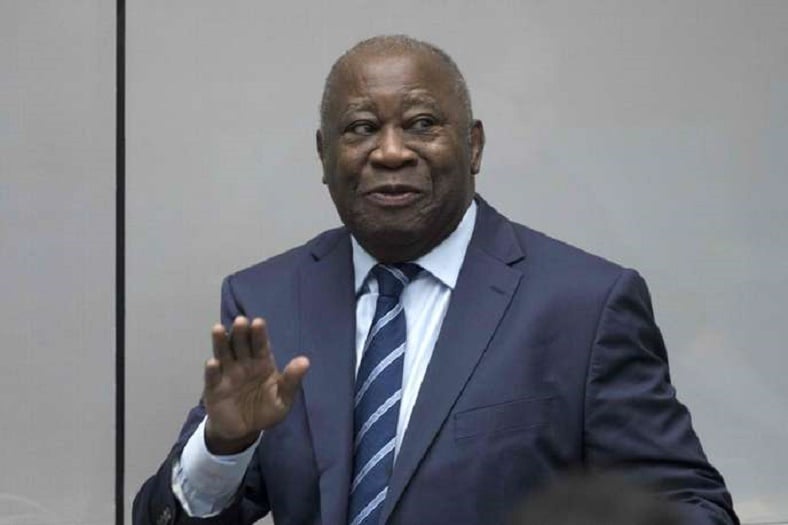
Former Ivorian President Laurent Gbagbo, now an opposition figure, has been re-elected as leader of the Parti des peuples africains – Côte d’Ivoire (PPA-CI) during the party’s first ordinary congress. Despite earlier signals of stepping down by late 2025, his leadership continues to resonate with supporters, even as the party faces mounting challenges following multiple election boycotts.
Reaffirmation of leadership amid political challenges
At nearly 81 years old, Gbagbo was re-elected to lead the PPA-CI on Friday, just months after announcing his intention to retire from political roles. His candidacy in the October 2025 presidential election was blocked due to a prior criminal conviction, preventing his registration on voter rolls. The party, which neither endorsed nor fielded a candidate in that election, also abstained from the December legislative polls, leaving it without parliamentary representation and only a handful of mayors.
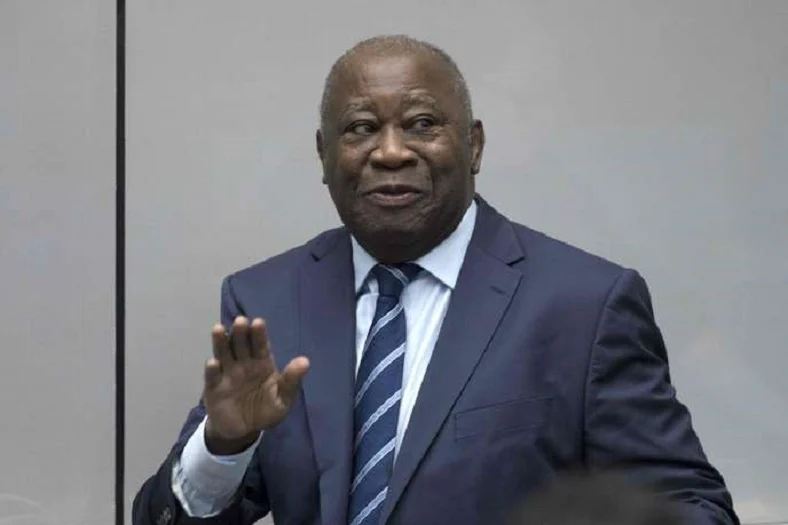
During the congress’s closing ceremony in Abidjan’s Treichville convention center, delegates greeted Gbagbo with enthusiastic applause as he arrived. In a brief address, he expressed gratitude, stating, “I am delighted to be in this warm atmosphere; thank you all.” A more detailed speech is scheduled for Saturday in Songon.
Party unity and internal shifts
The re-election underscores the enduring influence of Gbagbo’s political vision, despite growing fragmentation within the Ivorian left. Key figures from his 2000–2011 presidency—including his former wife Simone Ehivet Gbagbo, close ally Charles Blé Goudé, and former Prime Minister Pascal Affi N’Guessan—have distanced themselves from the PPA-CI in recent years.
Party discipline was reinforced with sanctions against dissenting members. Ahoua Don Mello, who ran against the party’s official stance in the 2025 election, was expelled, while Stéphane Kipré, who participated in the legislative elections as an independent and won a seat, received an 18-month suspension.
Strategic alliances and future prospects
Delegates also approved a motion supporting the Alliance of Sahel States (AES)—a coalition comprising Burkina Faso, Mali, and Niger, all governed by anti-French military juntas with strained ties to Abidjan. This stance underscores the party’s alignment with regional blocs critical of Côte d’Ivoire’s current leadership.
Gbagbo’s political future hinges on his reintegration into the electoral process, which requires presidential amnesty—a decision currently in the hands of the incumbent, Alassane Ouattara, who succeeded him after the violent 2010–2011 post-election crisis.