LGBTQ+ lives in Senegal: fear, flight, and the harsh new reality after the law change
Rejection, suffocating atmosphere, and the constant fear of arrest—since the penalties for homosexuality were doubled in March, distress calls from LGBTQ+ individuals desperate to leave Senegal have surged. Activist groups have joined forces to respond.

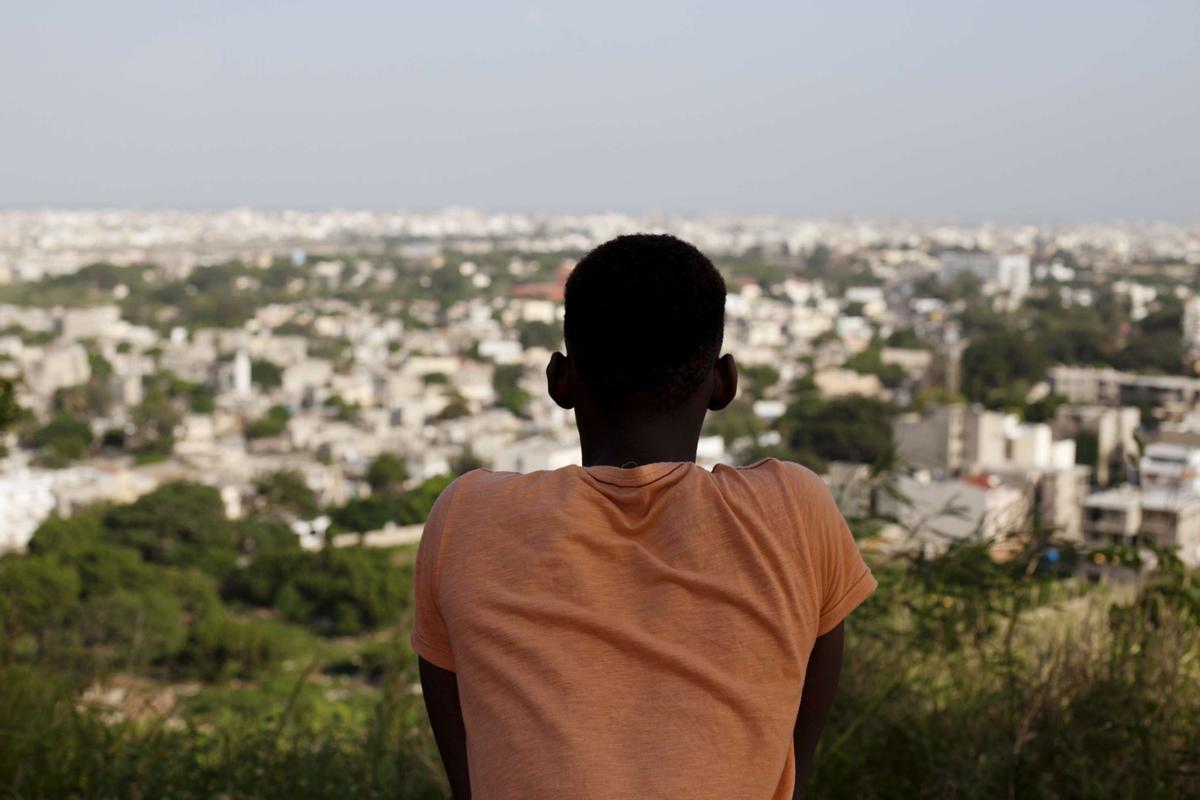
Cherif* arrived in France in early June with one absolute certainty: he could no longer remain in Senegal. ‘I was going to be arrested,’ he admits. For weeks after a man he was close to was detained, fear consumed him. ‘As soon as I read about it in the news, all I could think was escape.’ The case was politically charged—the arrested man was reportedly a close associate of Ousmane Sonko, Senegal’s former Prime Minister, now President of the National Assembly, who championed the law that doubled prison sentences for homosexuality from five to ten years, passed on March 11. Local media widely reported arrests of suspected partners. ‘I knew the police would search his phone and find messages implicating me,’ Cherif recalls. ‘I deleted every trace—messages, photos, anything that could link me to him.’
In Senegal, he describes an oppressive atmosphere where ‘everyone talked about LGBTQ+ people as if they were the enemy.’ Hate speech spread unchecked in homes, on the streets, on television, and across social media. ‘They’re corrupting our youth, destroying our society,’ became a common refrain. The new law, he says, has given people permission to act on their prejudices without restraint.
A wave of desperate escapes
Since the law’s passage, distress calls to organizations supporting LGBTQ+ individuals have multiplied. Activist groups, including Stop Homophobia, SOS Homophobia, and Le Refuge, have reported a sharp increase in requests for help. Many LGBTQ+ people in Senegal now live in hiding, afraid not only of arrest but also of violence from neighbors or family members.
The fear is justified. Since March, at least three high-profile arrests have been reported, with suspects facing up to a decade behind bars. The law also imposes heavy fines and potential forced labor. For many, the only viable option is to flee the country, often to France, where some have family or friends who can offer support.
Life in the shadows
For those who remain, daily life has become a struggle. Many have been disowned by their families, lost their jobs, or been forced to move repeatedly to avoid detection. Social media platforms have become battlegrounds, with users sharing personal information about suspected LGBTQ+ individuals, often leading to harassment or worse. ‘We live like ghosts,’ says one person who asked to remain anonymous. ‘One wrong move, and our lives are ruined.’
The psychological toll is immense. Constant paranoia, nightmares, and a deep sense of isolation are now part of daily life for many in the LGBTQ+ community. Some have turned to underground networks for support, but even these are under threat as informants become more common.
What’s next for Senegal’s LGBTQ+ community?
With the law firmly in place, the future looks bleak. Human rights organizations have condemned the legislation, calling it a violation of basic freedoms. However, the Senegalese government has defended the law, arguing it protects ‘traditional values’ and public morality. Meanwhile, LGBTQ+ individuals continue to face an impossible choice: live in constant fear or risk everything to flee.