
Regional aviation is witnessing a significant shift as diplomatic tensions ease between Bamako and Algiers. The restoration of air links between Mali and Algeria opens new opportunities for airlines like Air France, Brussels Airlines, and Air Algérie, promising enhanced connectivity and economic benefits for West Africa.
Diplomatic rapprochement reshapes Mali-Algeria air travel
The thaw in relations between Mali and Algeria is more than just political—it’s a game-changer for regional air travel. After years of restrictions, airlines are poised to capitalize on renewed demand, with direct routes likely to see increased frequencies and improved passenger experiences.
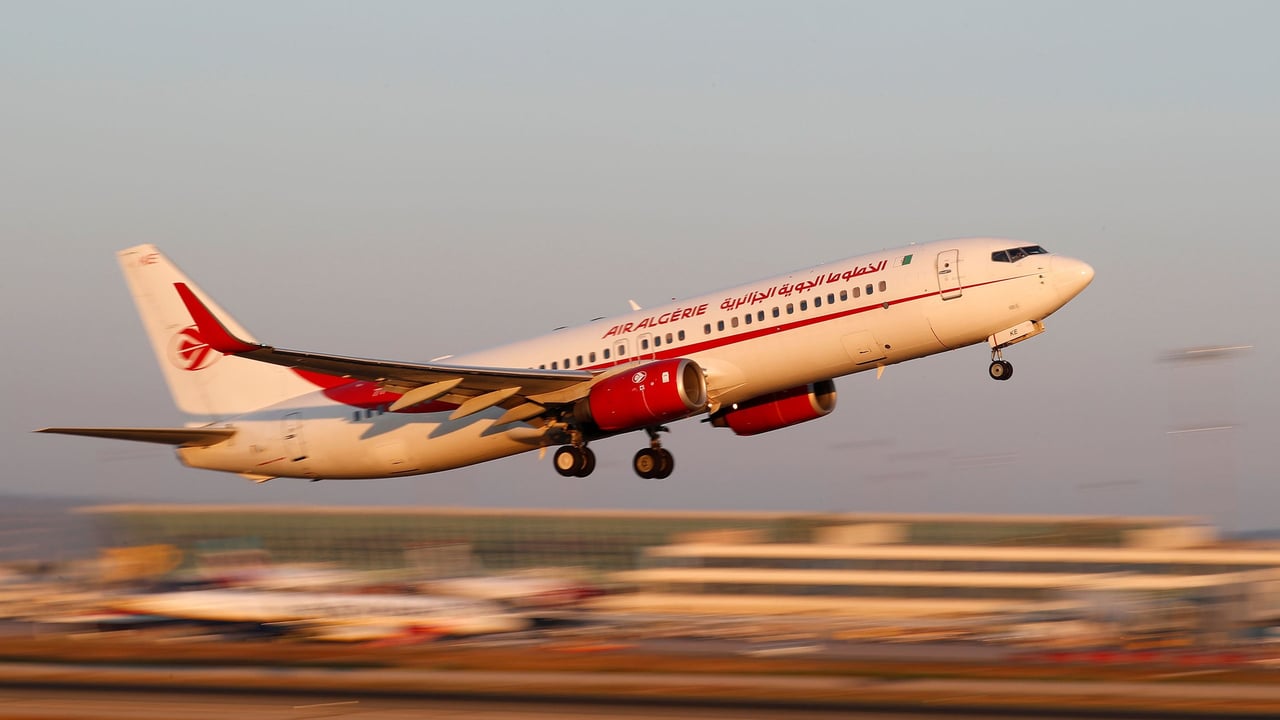
Air Algérie, a key player in the region, stands to gain substantially from this development. The airline, already a dominant force in connecting North and West Africa, could expand its network by adding new destinations in Mali. This would not only strengthen its market position but also support Mali’s growing tourism and business sectors.
How airlines are preparing for the surge in demand
Major carriers are already adjusting their strategies to meet the anticipated rise in travel between the two nations. Air France and Brussels Airlines, which have faced limitations in recent years, are expected to reintroduce or increase flights, offering passengers more choices and competitive fares.
Industry insiders reveal that negotiations are underway to finalize new flight schedules. These efforts aim to restore direct connections that were suspended, ensuring smoother travel for passengers and boosting cargo services between Bamako and Algiers.
Economic ripple effects across West Africa
The impact of this air travel revival extends beyond Mali and Algeria. Countries like Niger, Burkina Faso, and Sénégal could see indirect benefits as airlines optimize their routes to serve the entire region more efficiently. Enhanced air connectivity fosters trade, tourism, and investment, creating a ripple effect that strengthens West Africa’s economy.
For businesses, the improved air links mean faster movement of goods and personnel, reducing operational costs and increasing competitiveness. Tourism operators in Mali, in particular, anticipate a boost as Algerian travelers seek new destinations in the Sahel.
What passengers can expect from the new air travel landscape
Travelers between Mali and Algeria will soon enjoy shorter transit times, reduced layovers, and more flight options. Airlines are also expected to introduce promotional fares to attract passengers, making regional travel more accessible.
The revival of air links comes at a critical time, as both nations seek to revitalize their economies post-pandemic. The timing couldn’t be better for airlines and passengers alike, as the demand for regional travel continues to rise.
With diplomatic relations on the mend, the skies over West Africa are set to become busier than ever. The stage is now set for a new era of connectivity, driven by the renewed cooperation between Bamako and Algiers.