The Malian junta has taken a bold step in its territorial reconquest strategy. A ministerial decree published on Friday, June 5, 2026, establishes military interest zones covering about forty forests scattered across the country. These areas, now reserved for operations by the Malian Armed Forces (FAMa), are strictly off-limits to any civilian presence. The measure explicitly targets suspected sanctuaries of jihadist groups affiliated with the Islamic State in the Sahel and Jama’at Nusrat al-Islam wal-Muslimin (JNIM).
A security map reshaping land use
The decree provides a detailed list of the affected forested areas, spread across several regions of the country. Wooded zones in central and southern Mali, long used as hideouts by armed fighters, feature prominently. By locking access to these spaces, the junta aims to cut off the logistical lines of the katibas and facilitate aerial targeting without risk to civilians.
The choice of forests as the focus of regulation is no coincidence. For over a decade, these woodlands have served as grey zones where subsistence economies, smuggling, and insurgent activity overlap. Villagers gather firewood, medicinal plants, and game, while herders move their livestock through them. The new legal regime upends this balance, placing these resources under de facto military control.
Concretely, any civilian incursion becomes punishable, and sweeping operations can be launched without notice. The text aligns with the hardline doctrine of the colonels in power since the double coup of 2020 and 2021, who broke with the French military presence and shifted the security architecture to Russian partners.
A military gamble with heavy humanitarian costs
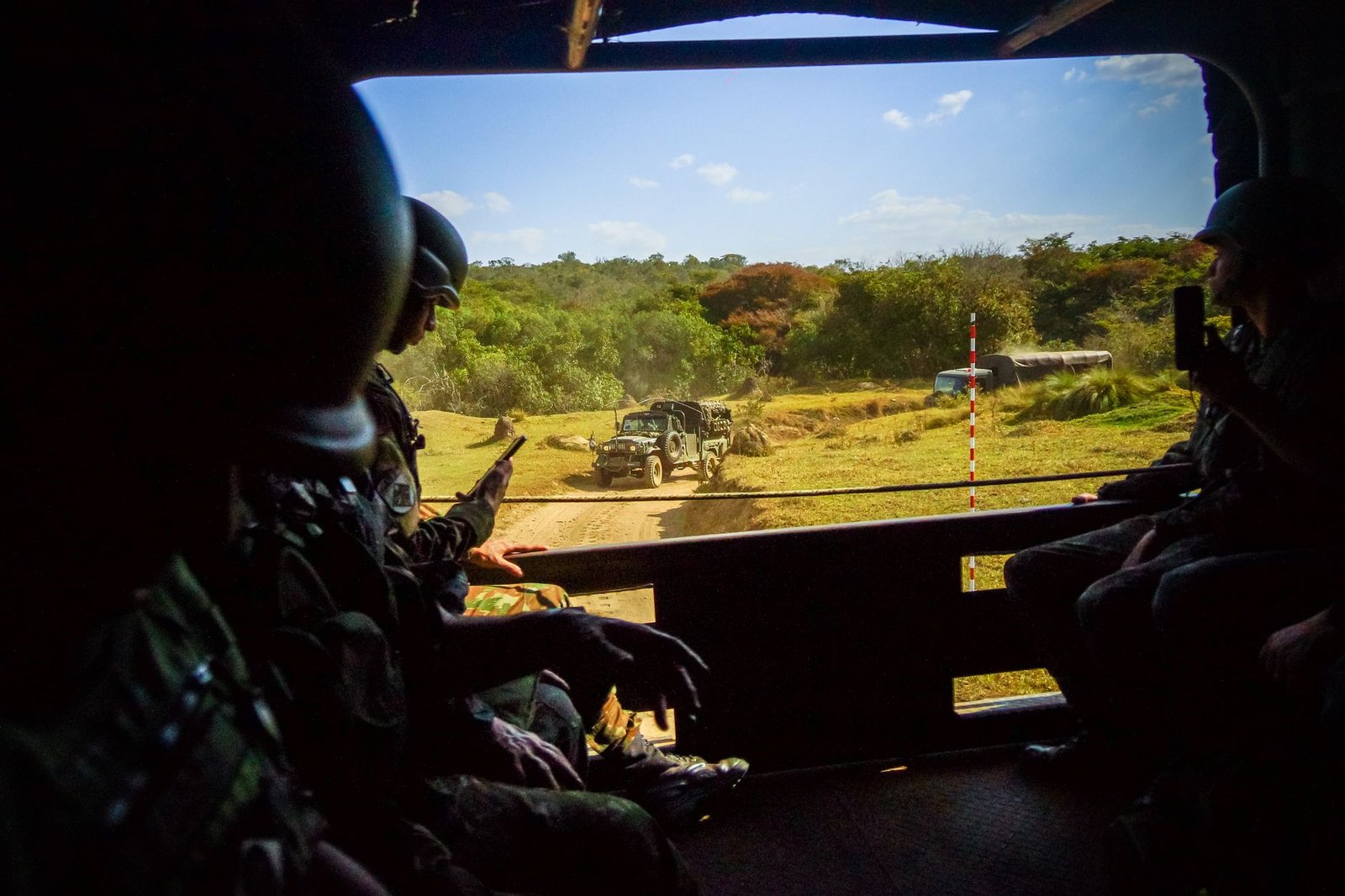
The tactical effectiveness of this measure hinges on the ability of FAMa and their auxiliaries to hold the forested terrain long-term. Helicopter-borne operations and targeted strikes, central since the departure of the UN stabilization mission (MINUSMA) in 2023, now have an expanded legal framework in these forbidden zones. For Bamako, this also signals to public opinion a regaining of initiative against insecurity that has spread southward, even to the outskirts of Bamako and Kayes.
Yet the social consequences could be enormous. Tens of thousands of people live in the immediate vicinity of the targeted forests, deriving a substantial part of their income from forest resources. The ban risks destabilising rural communities already battered by drought, food inflation, and closed cross-border markets. The precedent in Burkina Faso, where similar military interest zones were created in 2023, shows a correlation between expanded militarised areas and massive internal displacement.
A Sahelian convergence on militarising spaces
Mali’s approach is part of a wider regional dynamic. Burkina Faso and Niger, partners in the Sahel States Confederation (AES), have since 2024 multiplied exceptional territorial measures to regain control from armed groups. This doctrinal convergence reflects a shared vision of security sovereignty, based on physical control of peripheral areas and the temporary suspension of certain customary use rights.
International partners are watching this shift warily. Human rights organisations have repeatedly documented abuses in areas under heightened military control. The junta’s ability to balance operational effectiveness and respect for civilian populations will be closely scrutinised, especially by West African neighbours and remaining donors in the country.
Economically, the creation of these perimeters could also affect artisanal mining concessions and some gold operations on the edges of the targeted forests. The government has not yet specified compensation or resettlement arrangements for affected populations. The ministerial decree was issued on June 5, 2026, and covers nearly forty forested areas nationwide.