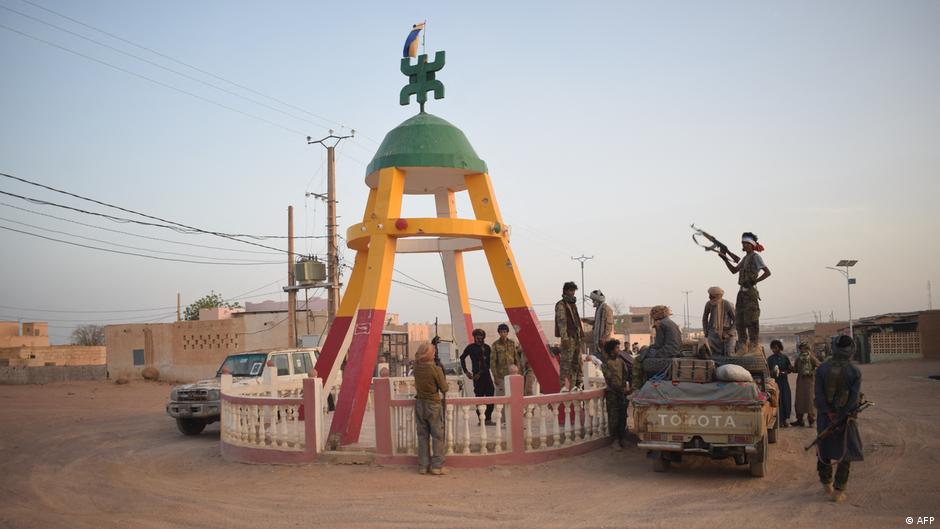
As simultaneous offensives rocked key cities across Mali—including Bamako, Kati, Kidal, Gao, Sévaré, and Mopti—the nation’s political and military landscape faces unprecedented pressure. The coordinated assaults, claimed jointly by the Front de Libération de l’Azawad (FLA) and the Group for the Support of Islam and Muslims (JNIM), have intensified calls for urgent resolution.
Military leadership under scrutiny
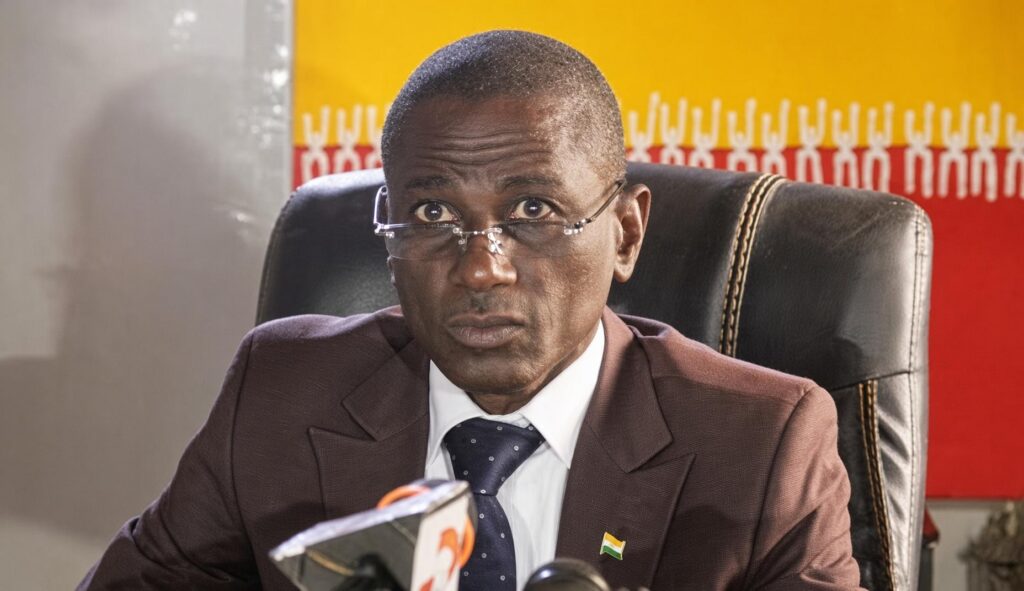
In the aftermath, General Assimi Goïta, head of Mali’s transitional government, reappeared publicly alongside the Russian ambassador to Bamako. During the meeting, he highlighted the “strength of Mali-Russia cooperation”, a partnership that has drawn both local and international attention amid ongoing security challenges.
Yet behind the diplomatic rhetoric, operational realities tell a different story. Reports indicate that Africa Corps mercenaries have begun negotiating their withdrawal from Kidal—a strategic northern hub recently recaptured by FLA rebels. The insurgent faction has made their departure a non-negotiable condition for any future engagement, signaling a hardening stance in the conflict.
A tribute amid tragedy
Thursday marked a day of national mourning for General Sadio Camara, the Defense Minister killed in a jihadist attack on his residence just days prior. His death underscores the escalating risks facing Mali’s leadership as insurgent groups escalate their tactics.
Perspectives from the front lines
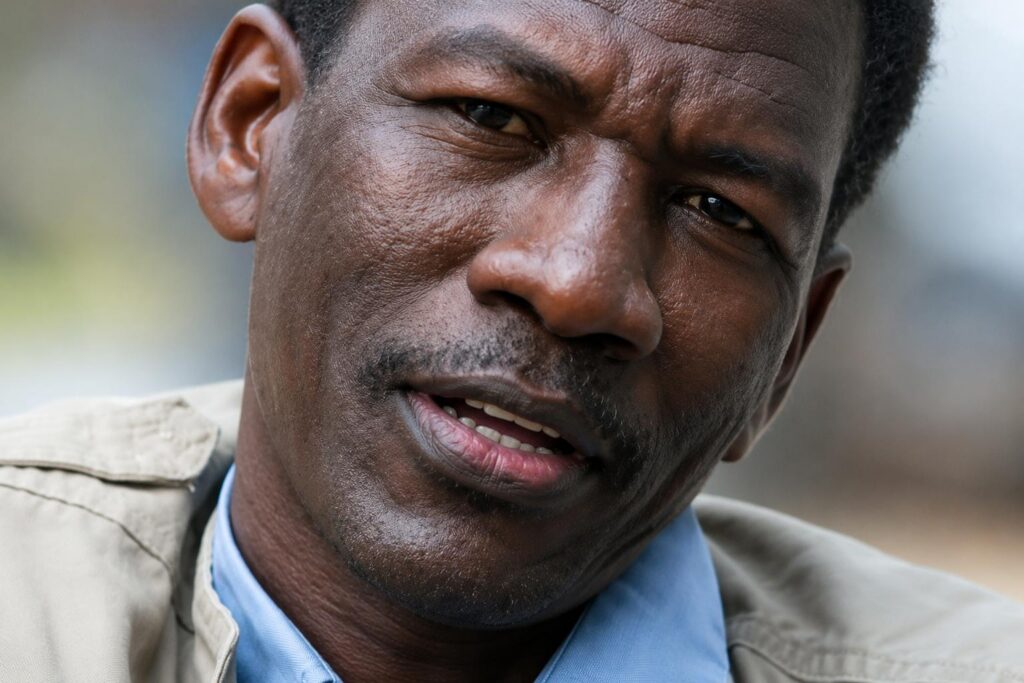
With tensions peaking, the conversation now turns to viable pathways forward. Analysts and thought leaders are examining the feasibility of political solutions amid entrenched military and ideological divides. Among those contributing to the discourse:
- Étienne Fakaba Sissoko — Economist and spokesperson for the Coalition des forces pour la République (CFR), known for his critical work on governance in post-coup Sahel states, including L’État et le mensonge au Sahel: Théorie de l’Inversion Morale d’État.
- Tiambel Guimayara — Veteran Malian journalist and editor-in-chief of LaVoix du Mali, offering ground-level insights into the crisis.
- Frédéric Samy Passalet — Author and conflict prevention scholar, recognized for his analysis of geopolitical influences in Les marionnettes de Poutine en Afrique.
- Teehl Loé Konaté — Pan-African strategist and secretary-general of Deux heures pour Kamita, focusing on cultural and historical reconciliation in governance.
As Mali grapples with the dual pressures of insurgency and international realignment, the debate intensifies: Can diplomacy and inclusive governance still shape a sustainable future for the country?