The Mali government faces mounting pressure from its citizens, who rank universal healthcare as their top priority for state intervention. Despite recent improvements in key health indicators—such as reduced infant and under-5 mortality rates, lower maternal deaths, and increased life expectancy—the nation still grapples with systemic barriers to quality medical services.
In 2018, Mali launched a bold universal health insurance plan, yet critical challenges persist. A severe shortage of trained medical professionals, chronic underfunding, and persistent political instability have severely limited healthcare accessibility, particularly in rural regions. Shockingly, over half of the country’s physicians remain concentrated in the capital city, Bamako, leaving vast areas underserved.
These struggles are reflected in Mali’s Universal Health Coverage Service Coverage Index score of 41 out of 100—well below both the African average (44) and the global benchmark (68), according to the World Health Organization’s 2024 assessment. The findings emerge from a specialized module of the Afrobarometer Round 10 survey, which highlights public sentiment toward healthcare reform.
public demand for healthcare reform
Malians overwhelmingly support the idea of government-funded universal healthcare, even if it means higher taxes. The survey reveals that only about one in seven adults currently has medical coverage, and many citizens fear they cannot afford essential treatments or face prohibitive costs when seeking care. A striking 93% believe the government must ensure equitable access to healthcare services, regardless of financial means.
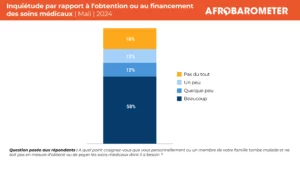
Experiences with public healthcare facilities paint a mixed picture. While most users report receiving necessary care, numerous complaints highlight issues such as exorbitant fees, long wait times, and frequent shortages of essential medicines or equipment. Nearly half of all Malians report that a family member was unable to obtain required medical attention in the past year due to financial or logistical barriers.
Despite these frustrations, public trust in the Ministry of Health remains relatively high. Approximately two-thirds of citizens express approval for the government’s efforts to enhance primary healthcare services, signaling cautious optimism for future progress.
the path forward for Mali’s healthcare system
Mali’s journey toward universal healthcare is fraught with obstacles, but the demand for change is undeniable. Addressing the geographic imbalance in healthcare provision, increasing investment in medical infrastructure, and expanding the workforce are essential steps. Public willingness to support tax-funded reforms offers a glimmer of hope, yet sustained political commitment and strategic planning will determine whether these aspirations become reality.