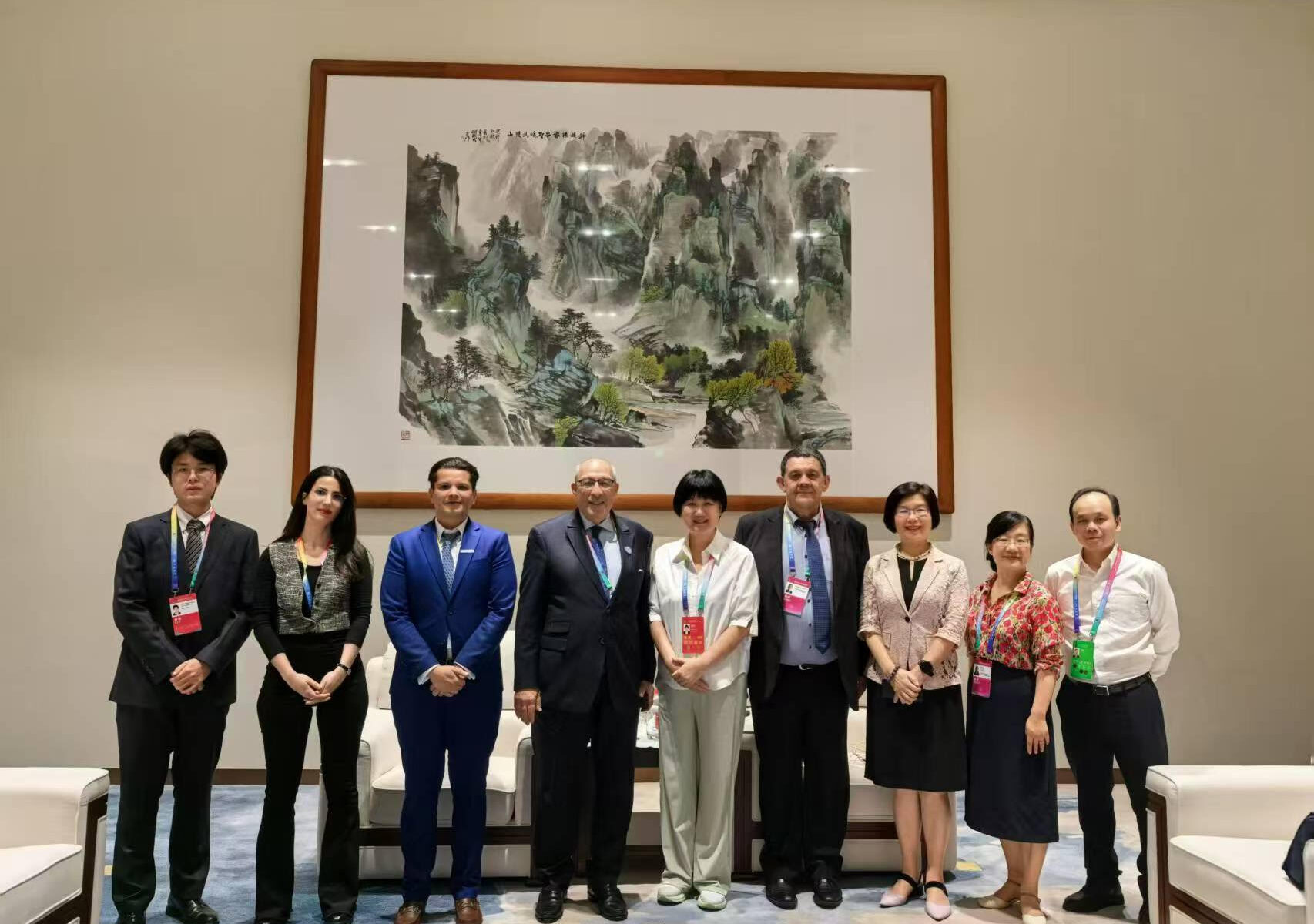
Beijing recently took center stage as Morocco and China accelerated their strategic economic partnership during a pivotal week of high-level engagements. With a shared vision of reindustrialization, Morocco’s Minister Delegate for Investment, Karim Zidane, and the Ambassador of Morocco to China, Abdelkader El Ansari, engaged directly with prominent Chinese industrial leaders at the 4th International Supply Chain Expo (CISCE).
The message was unequivocal: Morocco is positioning itself as the essential industrial hub bridging Europe, Africa, and the Atlantic space. With an unprecedented investment surge—381 projects valued at 580 billion Moroccan dirhams—and Chinese foreign direct investment reaching 2 billion dirhams in 2025—Morocco is signaling its readiness for a new phase of growth. Ambassador El Ansari underscored this ambition, emphasizing that the partnership established in 2016 between His Majesty King Mohammed VI and President Xi Jinping is not merely symbolic but a proven catalyst for tangible economic expansion.
Why Morocco Stands Out in China’s Industrial Strategy
Morocco’s appeal to Chinese investors is no longer limited to cost efficiency or tax incentives. The country now offers a comprehensive value proposition rooted in world-class infrastructure and unparalleled connectivity. Ports like Tanger Med, Nador, and Dakhla serve as gateways to global markets, while over 56 free trade agreements—alongside Morocco’s pivotal role in the African Continental Free Trade Area (AfCFTA)—eliminate customs barriers, granting access to a consumer base exceeding one billion people. This framework is further strengthened by Morocco’s deep sectoral expertise in automotive, aeronautics, electric mobility, and renewable energy, where Sino-Moroccan synergy is reshaping industrial dynamics.
Triangular Partnership: A New Model for African Industrialization
Minister Karim Zidane highlighted Morocco’s role as more than just an export destination—it is a strategic partner in Africa’s industrial transformation. Under this “triangular partnership” model, China contributes cutting-edge technology and capital, while Morocco leverages its political stability, regional influence, and industrial know-how to drive sustainable development across the continent. This vision aligns seamlessly with the preparations for the 2030 World Cup, where infrastructure and sustainable mobility projects open unprecedented opportunities for Chinese firms.
For Ambassador El Ansari, the goal is clear: to convert growing trust—evidenced by over 100 Chinese companies already operating in Morocco—into a lasting and robust industrial foothold. At the Beijing summit, Morocco was not merely showcasing its strengths; it was laying the groundwork for a future where “Made in Morocco” seamlessly integrates into global value chains, reaffirming the Kingdom’s pivotal role in a rapidly evolving world.