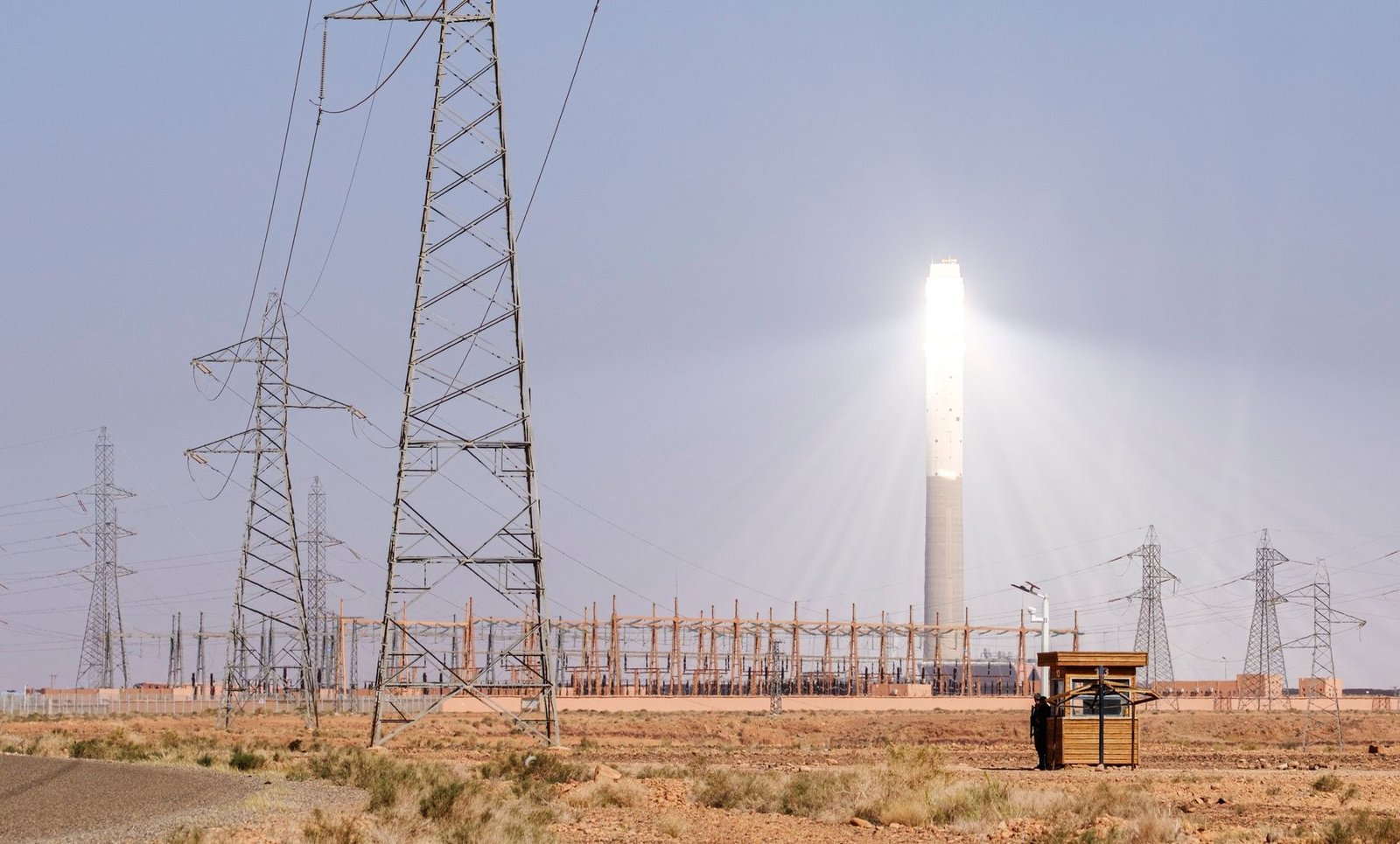
Algeria and Niger have jointly inaugurated the first Algerian-Nigerien solidarity power plant in Gorou Banda, on the outskirts of Niamey, officiated by Prime Ministers Ali Lamine Zeine and Sifi Ghrieb. This landmark project marks the first concrete delivery of energy commitments between the two nations, set against a backdrop of shifting regional alliances. Beyond its symbolic significance, the initiative addresses Niger’s persistent electricity shortage, which has long constrained both economic growth and daily life in the capital.
Energy partnership takes shape in Gorou Banda
Gorou Banda, already home to critical electrical infrastructure south of Niamey, now hosts a new chapter in Algerian-Nigerien relations. The inauguration ceremony brought together the two prime ministers, framing the project as a gesture of Algerian solidarity toward its Sahelian partner. For Niger’s transitional government, inaugurated in July 2023, the plant’s activation provides an immediate response to mounting pressure on the national power grid.
Niger remains heavily reliant on electricity imports, particularly from Nigeria, whose supply lines have faced disruptions following sanctions imposed by the Economic Community of West African States (ECOWAS) in the wake of the regime change. Diversifying energy sources has become essential for Niamey. The newly launched plant aligns with this strategy, complementing ongoing efforts to expand thermal and solar power generation within Niger’s borders.
Algeria’s strategic push into the Sahel
For Algeria, this infrastructure launch is part of a broader push to strengthen its presence in the southern Sahel. Over recent months, Algerian diplomacy has intensified engagement with regional states as traditional Western partners scale back their involvement. By delivering a power plant, Algeria pursues twin objectives: reinforcing its regional influence and enhancing stability along a shared border that directly impacts the security of Algeria’s southern provinces.
The bilateral discussions between Ali Lamine Zeine and Sifi Ghrieb extended beyond energy cooperation. Security concerns dominated the agenda, reflecting the porous 1,000-kilometer frontier—a corridor plagued by armed groups, smuggling, and migratory flows. The energy partnership thus emerges as one pillar of a wider dialogue aimed at stabilizing this sensitive cross-border zone.
The political message behind the megawatts
The timing of the inauguration is deliberate. It follows Niger, Mali, and Burkina Faso’s formal withdrawal from ECOWAS and their establishment of the Alliance of Sahel States (ASS). Within this evolving regional alignment, Algeria positions itself as a key interlocutor without formally joining the Sahel bloc. This balanced stance enables Algerian diplomacy to engage constructively with all regional actors, including those still tied to ECOWAS’s institutional framework.
The Gorou Banda plant serves as both a practical asset and a political signal. Technically, it boosts installed capacity near Niamey, where demand is highest. Politically, it demonstrates a bilateral partnership presented as foundational. The coming months will reveal whether this infrastructure can catalyze broader gains, particularly in expanding long-distance power interconnections—a recurring topic in exchanges between the two capitals.
For Niamey, the challenge will be to convert this inaugural facility into a lasting tool for reducing energy deficits. Nigerien authorities have elevated electricity sovereignty to a national priority, and cooperation with Algeria is now a cornerstone of this strategy.