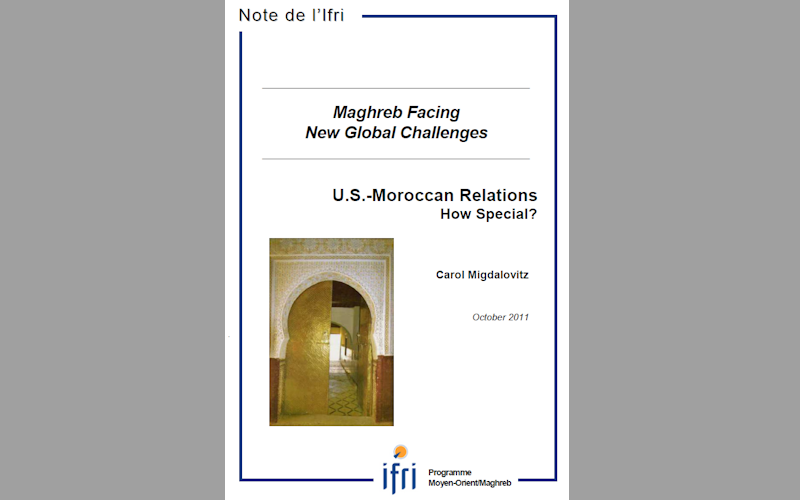
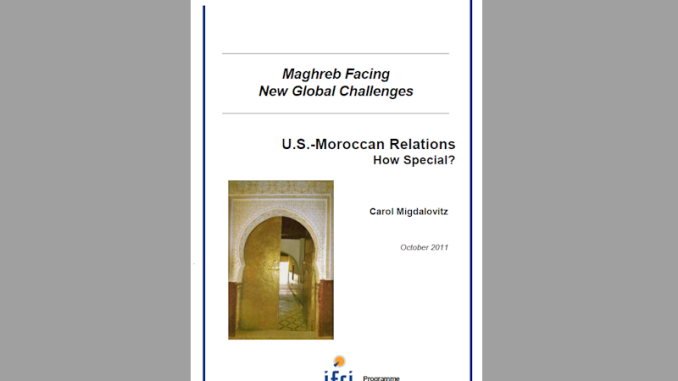
For more than two centuries, the bond between Morocco and the United States has stood as one of the most enduring and distinctive alliances in American foreign policy. Rooted in mutual necessity and continuously reshaped by global shifts, this partnership has evolved from early diplomatic overtures to a modern-day strategic collaboration—one that balances history with pragmatism.
On June 23, 1786, Morocco made history by becoming the first nation to formally recognize the newly independent United States through the signing of a historic Treaty of Peace and Friendship. Still in force today, this agreement was forged to protect American merchant ships from North African pirates, laying the foundation for a relationship that Washington and Rabat would later describe as special. But beneath the diplomatic rhetoric lies a far more intricate narrative—one driven by geopolitical imperatives, shifting alliances, and the delicate art of balancing power.
World War II: a turning point in bilateral relations
While the two nations shared early diplomatic ties, it was World War II that cemented their alliance. In 1942, during Operation Torch, over 35,000 American troops landed on Moroccan shores under the command of General Dwight D. Eisenhower. This military engagement marked more than just a strategic victory—it became a pivotal moment for Sultan Mohammed V.
At the 1943 Casablanca Conference, President Franklin D. Roosevelt is widely believed to have privately assured the Sultan of American support for restoring Morocco’s sovereignty in the postwar era. Though this gesture greatly displeased French leader Charles de Gaulle, it left a lasting imprint on Moroccan public sentiment, reinforcing America’s reputation as a steadfast ally in the region.
The Cold War era: strategic bases and shifting priorities
Following Morocco’s independence in 1956, the alliance faced new challenges amid the tensions of the Cold War. Recognizing the country’s strategic value, the United States established air bases in Morocco as part of its Strategic Air Command (SAC), capable of projecting nuclear capabilities toward Soviet bloc territories.
Yet, national sovereignty remained a top priority for King Mohammed V. As Rabat pushed for the withdrawal of foreign military presence, Washington grew concerned about the risk of Morocco aligning with the Non-Aligned Movement. These tensions culminated in 1963, when the United States fully withdrew its forces from Moroccan soil—fulfilling earlier pledges made to the monarchy.
Regional stability and political maneuvering
The security of the Moroccan monarchy has long been a cornerstone of American foreign policy in North Africa. When two coup attempts threatened King Hassan II’s rule in 1971 and 1972, Washington responded with cautious concern, wary of losing a stabilizing force in an unstable region. Though the King briefly suspected American involvement—fueled by reports of U.S.-supplied fighter jets used by the plotters—the alliance endured.
Over time, Morocco has honed its ability to navigate the complex corridors of Washington’s political landscape, converting its security needs into strengthened cooperation. Whether through military assistance in the Western Sahara or community development initiatives like the Peace Corps, the relationship has matured into a form of reciprocal soft power, where both nations benefit from mutual influence and engagement.
Today’s challenges and tomorrow’s outlook
As the political landscape of the Arab world continues to shift in the wake of the Arab Spring, the future of the U.S.-Morocco partnership faces new scrutiny. Washington must carefully balance the preservation of a historic alliance with the evolving aspirations of local populations across North Africa.
The decisions made today will shape not only the trajectory of this long-standing relationship but also the broader dynamics of stability in the Maghreb. How the United States navigates these challenges while upholding its historical ties with Rabat will determine the next chapter of this extraordinary diplomatic legacy.