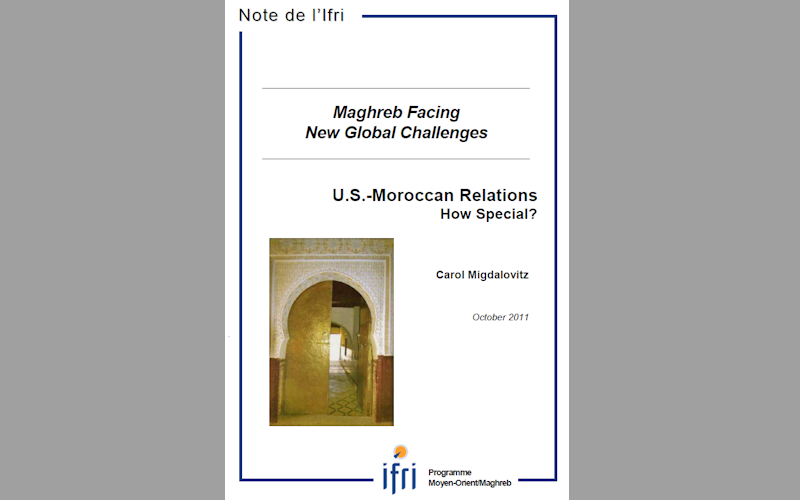
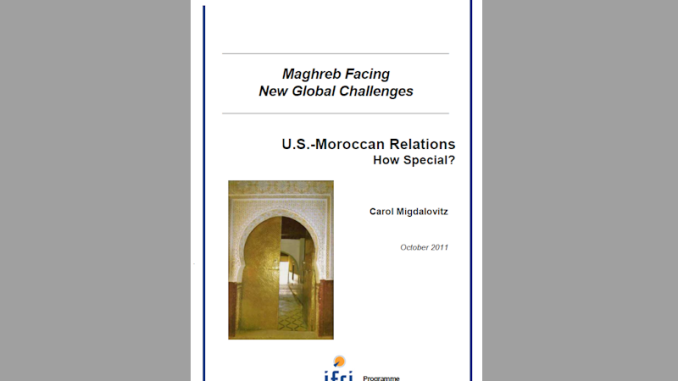
Few international relationships carry the weight of history, strategy, and mutual interests quite like that between the United States and Morocco. Often described as a “special bond”, this enduring alliance has weathered wars, shifting geopolitical tides, and evolving national priorities to emerge as one of Washington’s most resilient partnerships.
Its roots stretch back to 1786, when Morocco became the first nation to formally recognize the independence of the United States, signing a Treaty of Peace and Friendship that remains in effect today. This early diplomatic milestone was not merely symbolic—it was a strategic move by both nations. For America, it secured protection for its merchant fleets against Mediterranean piracy; for Morocco, it forged an alliance that would prove invaluable in the centuries to come.
World War II: A turning point in trust and cooperation
While the relationship was built on solid historical ground, it was World War II that cemented the bond between Washington and Rabat. In 1942, under the leadership of General Dwight D. Eisenhower, Allied forces launched Operation Torch, landing 35,000 American troops on Moroccan soil. This massive military engagement was more than a tactical victory—it marked a turning point in trust.
At the Casablanca Conference in 1943, President Franklin D. Roosevelt met with Sultan Mohammed V and publicly pledged American support for Moroccan sovereignty after the war. Though the promise was met with disapproval from European allies like General de Gaulle, it left a lasting impression on the Moroccan people and deepened their faith in American diplomacy.
Cold War alliances: From strategic outposts to sovereignty debates
Morocco’s independence in 1956 introduced a new chapter—one marked by both cooperation and tension. As Cold War rivalries intensified, the United States saw Morocco as a crucial strategic partner. American military planners established air bases in the country, part of the Strategic Air Command, to project nuclear deterrence against the Soviet bloc.
Yet, Morocco’s growing national consciousness clashed with American strategic interests. King Mohammed V prioritized the removal of foreign troops, while Washington feared Morocco might align with the Non-Aligned Movement. This delicate balance reached a breaking point in 1963, when the U.S. withdrew all its forces from Morocco, fulfilling its commitment to sovereign control.
Regional stability and resilient diplomacy
Throughout the decades, American support for Moroccan stability became a cornerstone of bilateral relations. When King Hassan II faced two coup attempts in 1971 and 1972, Washington responded with caution. Though rumors circulated—allegedly fueled by the use of American-made jets in the attacks—the alliance endured. Morocco demonstrated a masterful ability to navigate the complexities of U.S. politics, transforming its defense needs into strengthened collaboration.
Over time, the relationship evolved beyond military cooperation. Initiatives like the Peace Corps and joint security efforts in the Western Sahara showcased a form of soft power that benefited both nations. Morocco leveraged its position as a key regional ally, while the U.S. secured a stable partner in North Africa.
Modern challenges and the future of a historic alliance
Today, as the Arab Spring ripple effects continue to shape North Africa, the future of this long-standing relationship is once again being redefined. The United States faces a delicate balancing act: preserving a historic strategic alliance with Morocco while responding to the democratic aspirations sweeping the region.
The decisions made in Washington and Rabat today will determine whether this “special relationship” adapts to modern realities or remains anchored in the past. One thing is certain—the bond forged over centuries of diplomacy and shared challenges will not be easily broken.