On Wednesday, June 24, 2026, Niger was plunged into a nightmare as the Islamic State in the Sahel (EIS) claimed responsibility for two exceptionally brutal, simultaneous assaults on military outposts in Inates and Banibangou. The provisional casualty count, as stated by the assailants, indicates at least 80 fatalities, scores of vehicles annihilated, and substantial heavy equipment seized. Beyond these harrowing figures, the everyday existence and regional economy of these border territories are now suffocating under the grip of terror.
Coordinated and Deadly Assaults
The synchronization of the attacks on Wednesday, June 24, 2026, leaves little question about the extensive planning undertaken by the terrorists. The assailants descended upon Nigerien defense and security forces at a time when anticipating troop movements is most challenging.
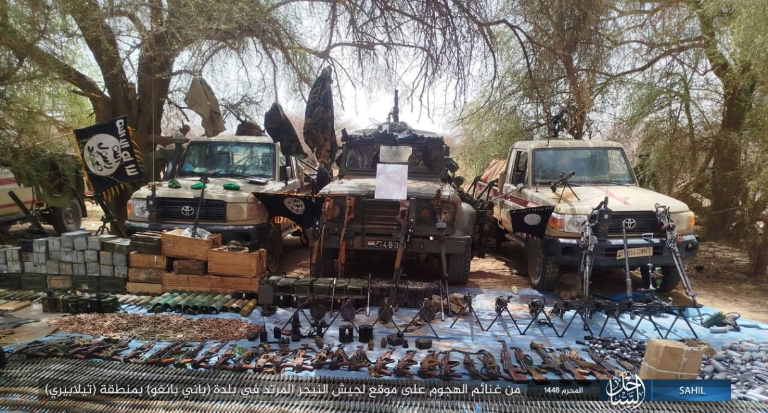
Inates, a location tragically familiar with intense clashes within the ‘three borders’ zone (Niger, Mali, Burkina Faso), endured an especially savage blow. The EIS claims responsibility for the deaths of at least 70 soldiers, the obliteration of 22 military vehicles, and the capture of 24 others. Shortly thereafter, in Banibangou, a second terrorist column launched a comparable assault, leaving behind at least 10 dead, 16 vehicles destroyed, and 6 seized.
Military observers interpret this dual offensive as clear evidence that, despite ongoing joint operations across the region, the armed group retains alarming operational reach and freedom of movement, skillfully exploiting permeable border areas. This highlights a critical challenge for West Africa news and security efforts.
Economic Reverberations: Deserted Markets and Severed Routes
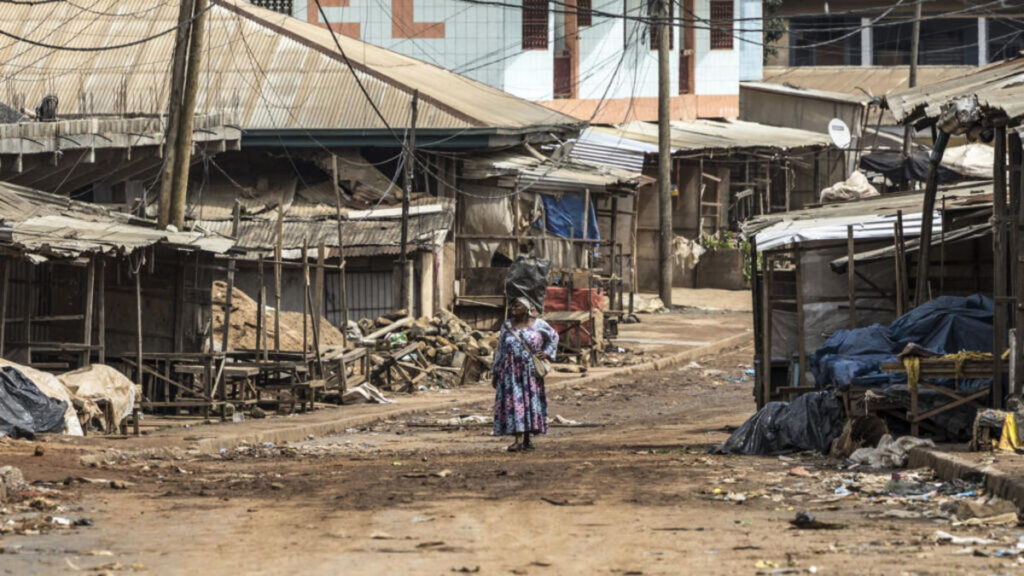
Beyond the immense cost borne by the Nigerien army, the June 24 attacks have delivered a devastating blow to the economy of the Tillabéri region. Banibangou and Inates are not merely military strongholds; they serve as vital economic arteries for supplying civilian populations.
As one local laments, “When weapons speak, markets fall silent. Cargo trucks no longer travel, and the cost of essential goods has doubled within 48 hours.” The economic fallout from this twin tragedy manifests in three primary ways:
- Paralysis of Weekly Fairs: These markets, true financial drivers for the region, facilitated crucial exchanges of livestock and grain. They now stand abandoned, emptied by the pervasive fear of further incursions.
- Roadway Blockades: The theft and destruction of nearly 70 vehicles in total (both military and logistical) have stripped the region of secure transportation, further isolating these communities from the rest of the country.
- Abandonment of Farmlands: With the rainy season approaching, farmers and herders are reluctant to venture far from secured urban centers, posing a direct threat to medium-term food security. This situation is a stark reminder of the challenges facing the African economy today.
Local Populations: Grief and Steadfast Resilience
In both Niamey and Tillabéri, emotions run high. Victims’ families desperately seek answers, while survivors from Banibangou recount apocalyptic scenes. The EIS strategy extends beyond merely targeting the state’s security apparatus; it aims to shatter civilian morale, coercing populations into submission or forced displacement.
Yet, despite the palpable fear, voices are emerging, advocating for resilience and heightened national solidarity. Appeals for blood donations are escalating in the capital’s hospitals to aid the evacuated wounded. Civil society groups are urgently calling on the government not to abandon these peripheral territories in favor of urban centers alone. This exemplifies the enduring spirit often seen in pan-African news reports.
The Future of Niger’s Security Strategy
The coordinated assaults in Inates and Banibangou acutely highlight pressing questions regarding the effectiveness of surveillance mechanisms and early warning systems. For the ruling junta and military command, this setback necessitates a swift re-evaluation of on-the-ground tactics.
An imperative focus must be placed on rebuilding the trust of the populace. Without fundamental economic security and the re-establishment of commercial routes, military presence alone will prove insufficient to stabilize the area. The challenge for the coming weeks is therefore twofold: repelling the terrorist threat through significant counter-offensives, while simultaneously providing economic lifelines to regions teetering on the brink of financial collapse. This critical juncture will shape African politics and stability for years to come.