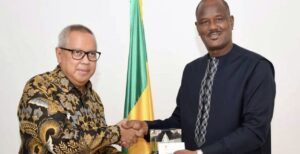
Despite the strong rhetoric surrounding reclaimed sovereignty and a clear break from past partnerships, the harsh realities of economic pressure have brought a stark reminder of Niger’s financial position. Grappling with suffocating financial isolation, Niger’s military administration has now formalized a series of critical oil agreements with the China National Petroleum Corporation (CNPC). This signing represents a move of economic accommodation, primarily aimed at urgently replenishing the nation’s depleted treasury.
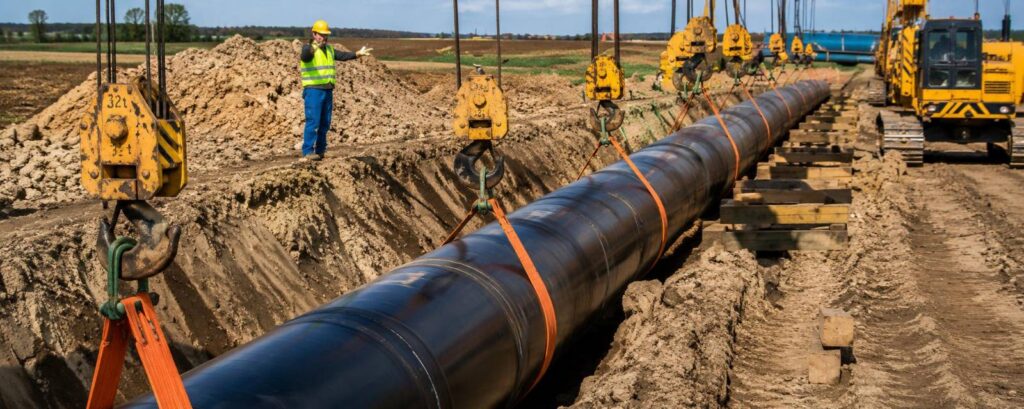
For many months, authorities in Niamey maintained an unyielding stance against the Chinese energy giant, demanding a drastic overhaul of the terms governing the exploitation of Nigerien crude and the WAPCO pipeline infrastructure. However, this nationalist discourse quickly confronted the challenging reality of managing a state facing severe distress. Deprived of significant regional and international financial backing, the ruling power found itself with no alternative but to return to the negotiating table with Beijing, entering discussions from a position of necessity.
While officially presented as a triumph for the ‘Nigerienization’ of employment and a victory in increasing state participation (now 45% in WAPCO), the securing of this agreement primarily underscores a vital imperative: ensuring the immediate flow of oil to guarantee essential foreign currency inflows for an exhausted public treasury. This is significant news for the African economy today.
Critics’ perspective: A lifeline for regime survival?
For political opponents and independent financial analysts monitoring West Africa news, the swiftness to finalize these agreements with Chinese companies hints at motivations less transparent than the welfare of the general populace. They perceive this as an opportunity for the ruling elite to gain access to liquid funds that might circumvent traditional international oversight mechanisms. This raises significant concerns about potential misgovernance and the squandering of public resources, ultimately at the expense of the country’s fundamental infrastructure.
Increased reliance under the guise of nationalization
By agreeing to tie its petroleum future more intimately to Beijing’s interests, Niger appears to merely shift the locus of its geopolitical dependence. Concessions achieved, such as harmonizing salaries at the Soraz refinery or setting local subcontracting quotas, seem to be superficial gains when viewed against the strategic monopoly maintained by Chinese state-owned enterprises across the entire value chain, from extraction to maritime export. This development is keenly watched in African politics.
The recent history of managing extractive resources across sub-Saharan Africa demonstrates that without robust institutional checks and balances and a commitment to transparency, oil revenues frequently become a tool for consolidating central power rather than a catalyst for inclusive development. In Niger, the formidable challenge remains to prove that these newly acquired Chinese funds will genuinely serve the national coffers and not merely finance the operational expenses of a government seeking to solidify its legitimacy.