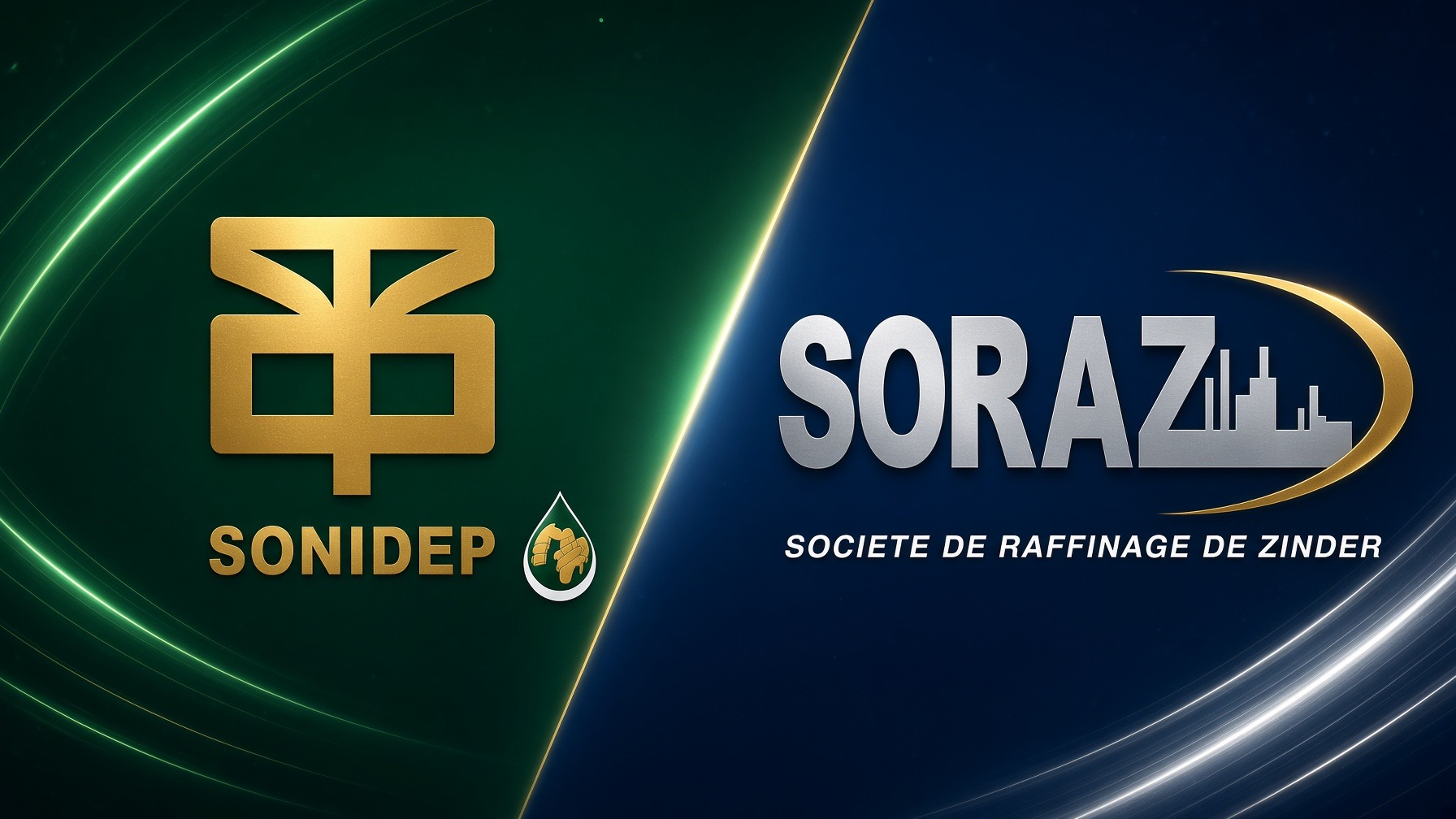
The hydrocarbon sector in Niger is going through a period of serious turbulence, and the fallout is now spilling into public debate. At the centre of the storm is the debt owed by the Société Nationale des Produits Pétroliers (SONIDEP) to the Société de Raffinage de Zinder (SORAZ), which has climbed to a record 418 billion CFA francs. That financial chasm is raising hard questions about what happens next for the national fuel market and the reliability of supplies.
The scale of the shortfall and the reaction it has triggered
SONIDEP’s liabilities were historically kept within contained levels, hovering around 40 to 50 billion CFA francs under the previous administration. The outstanding amount has since surged past the 418 billion CFA franc mark, a jump that has unsettled operators, consumers and observers alike.
Several interlocking factors explain how the arrears reached this point:
- Upstream collection failures: SONIDEP is absorbing the unpaid bills of several large institutional accounts and state-owned enterprises, which has created an immediate cash shortfall.
- The grip of price regulation: Arbitrations over pump prices and the freezing of certain tariff compensation mechanisms have sharply narrowed the national operator’s room for manoeuvre.
- Pressure from lifted volumes: To meet steadily rising domestic demand for petrol and diesel, volumes drawn from the Zinder refinery have grown at a pace that actual cash remittances have not matched.
What the standoff means for SORAZ
For SORAZ, a strategic joint venture between the State of Niger and Chinese giant CNPC, this astronomical receivable weighs heavily on day-to-day operations. Without recovering those funds, the refinery struggles to cover its operating costs, pay its subcontractors and plan the heavy maintenance work needed to keep its facilities running properly.
On the ground, the imbalance has already caused friction: restrictions on product lifting, standoffs over quotas and occasional blockages at the refinery exit, which have at times translated into queues at filling stations and strain on service station supply.
The debate over a comprehensive restructuring
With the risk of paralysis hanging over the oil sector, the transitional authorities and the management of both companies are actively looking for ways to clear the arrears. The options on the table include:
- Strict repayment schedules: establishing a binding timetable for gradual settlement tied to daily product liftings.
- State compensation mechanisms: structuring tripartite agreements aimed at wiping out part of the debt through the Treasury’s cross-claims.
- Revenue audits and traceability: overhauling the retail sales collection circuit so that payment of the refinery supply bill is prioritised.
How quickly those measures take hold will determine whether Niger’s fuel sector stabilises or slides deeper into uncertainty, and the public conversation around the debt is unlikely to fade until concrete relief materialises.