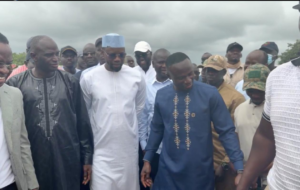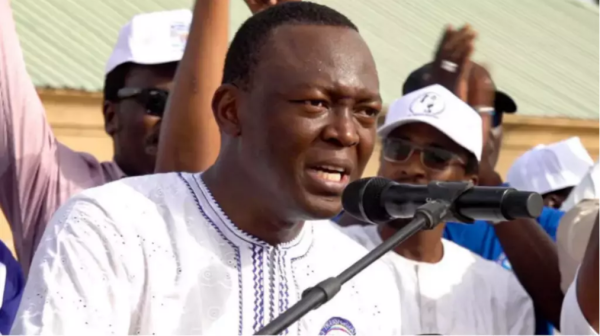
In Chad, opposition figure Succès Masra has spent a year behind bars. His arrest followed a 2023 conviction to a 20-year sentence for allegedly triggering intercommunal violence in southern Chad through a message broadcast two years later. As leader of the *Transformateurs* party, Masra officially finished second in the 2024 presidential election with 18% of the vote. Since his imprisonment, his case has drawn widespread attention, including from his sister, Chancelle Masra, who resides in France.
a year behind bars without proof
Chancelle Masra confirms her brother remains unjustly imprisoned and in poor health. Medical assessments indicate he requires urgent care that cannot be provided within Chad. Despite official declarations, no evidence or witness testimony supports his conviction, reinforcing claims of a miscarriage of justice.
Masra suffers from respiratory issues, and doctors have recommended further medical examinations—procedures unavailable under current detention conditions in Chad. Since May 16, 2025, he has been held in a 15-square-meter room within a military facility in N’Djamena, deprived of natural light. His cell lacks basic amenities: no bed, no dignified conditions, and no access to outdoor exercise.
limited contact and ongoing legal battles
After prolonged advocacy, Masra has secured limited visitation rights. His family and legal team can meet with him, though each visit requires prior authorization. His mother has been granted occasional access, but his electronic devices—including phones and computers—were confiscated, severing all external communication with his daughter, spouse, and sister.
Legally, Masra’s conviction stems from accusations of inciting hatred and violence following deadly clashes in Logone Occidental, southern Chad. However, his supporters argue the charges lack substance. Since founding his party in 2018, Masra has consistently advocated for dialogue over confrontation. His commitment to peace was underscored when he signed a reconciliation agreement with the government in 2023 and served as Prime Minister without accepting a salary, donating his entire earnings to national development.
Masra has filed an appeal, but no hearing date has been set. His sister emphasizes the urgency of his situation, stating, “detaining an innocent man without proof for an extended period is unacceptable.” She also highlights the European Union’s call for Chad to uphold its legal obligations.
political repression and shrinking democratic space
The recent sentencing of eight opposition members from the *GCAP* coalition to eight years in prison for attempting to organize peaceful protests further underscores growing political tensions in Chad. Chancelle Masra expresses grave concern over the erosion of democratic freedoms, stressing that silencing dissent contradicts the principles of democracy.
Her brother’s case serves as a broader symbol of political repression. While authorities claim opposition figures can express dissent through institutional channels, Masra’s imprisonment—and the lack of due process—contradicts such assertions. His sister reiterates his unwavering commitment to peace and development, dismissing claims of weakening party support despite recent defections. She notes that thousands of *Transformateurs* members remain active domestically and abroad, driven by Masra’s vision for progress.
international support and calls for justice
Chancelle Masra credits international solidarity—including from human rights organizations like Amnesty International and Human Rights Watch—as a lifeline for her brother. Influential figures across Europe, Africa, Asia, and the United States have also voiced support, amplifying calls for his release. She emphasizes that such advocacy has been instrumental in preserving his health and safety.
In closing, she appeals to global leaders to prioritize justice and human rights, stating, “no country should abandon the defense of the innocent under the guise of counterterrorism.” As diplomatic channels between Chad and international partners, including France, gradually reopen, the urgency of Masra’s case grows—demanding immediate action to rectify a judicial error that threatens both his life and Chad’s democratic future.