The West African region remains gripped by political turmoil, with multiple coups d’état striking nations across the Sahel, including Guinea and most recently Guinea-Bissau in recent years.
Several military juntas in Burkina Faso, Niger, and Mali have openly rejected ties with France, the former colonial power, since seizing control of their governments.
Beyond diplomatic backing for Benin‘s armed forces, the Élysée confirmed that President Emmanuel Macron coordinated efforts to share intelligence with regional partners following the unrest.
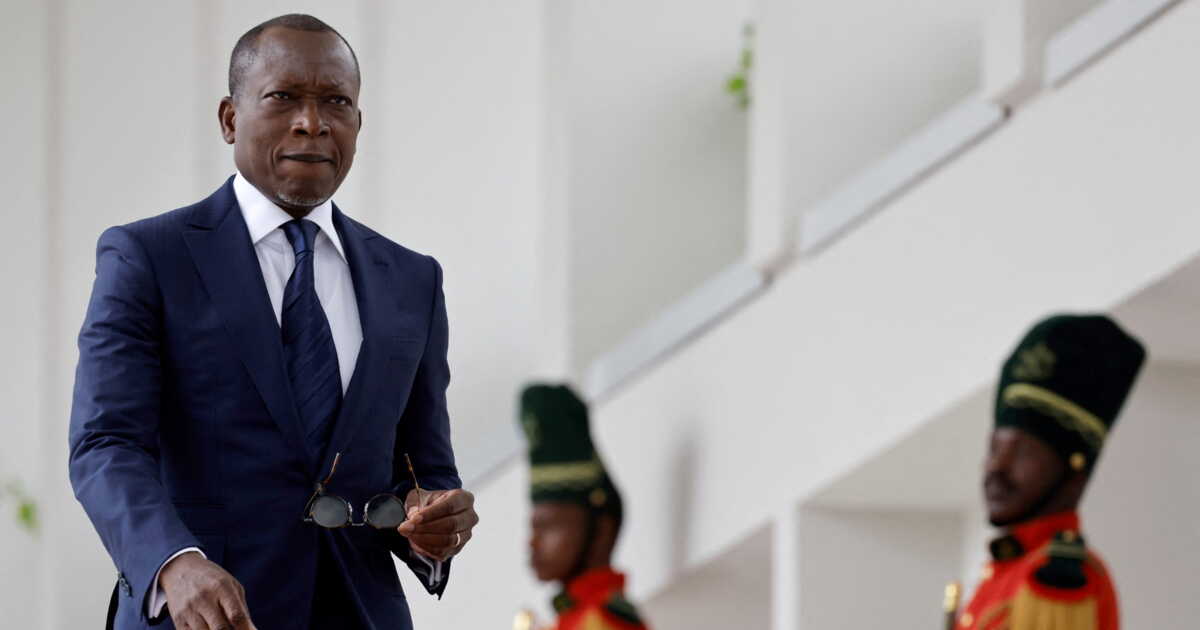
Macron also held emergency talks with Benin‘s President Patrice Talon—the target of the putsch—as well as Nigeria’s leader and Sierra Leone‘s president, who currently holds the ECOWAS chair.
A senior advisor to Macron emphasized: “France fully supports ECOWAS, which took decisive regional action over the weekend.”
On Sunday, eight soldiers appeared on Benin‘s national television, declaring they had overthrown Patrice Talon.
After a day of unrest in Cotonou, the head of state insisted the situation was “fully under control.” Authorities later reported “multiple casualties,” including clashes between mutineers and loyalist forces.
To restore order, neighboring Nigeria launched airstrikes on the Togbin military base in the economic capital, where rebels had regrouped after their televised announcement. Abuja also deployed ground troops, helping recapture the base overnight.
electoral inclusivity concerns
ECOWAS announced Sunday evening that four member states would dispatch military reinforcements to “safeguard constitutional order,” though troop numbers were not disclosed.
Omar Alieu Touray, President of the ECOWAS Commission, declared Tuesday: “Our community faces a state of emergency,” citing both jihadist expansion and repeated coups. Authorities have detained a dozen soldiers, but ringleaders like Lieutenant-Colonel Pascal Tigri remain at large.
The mutineers briefly held two high-ranking officers—the Army Chief of Staff, Abou Issa, and the National Guard Chief, Faïzou Gomina—before releasing them Monday. Cotonou, the coastal nation’s economic hub, resumed normal life swiftly.
Patrice Talon, who has led Benin since 2016, must step down in April following the presidential election, as the Constitution limits presidents to two terms. Though praised for economic growth, Talon faces criticism for tightening political freedoms in a country once lauded for its democratic vibrancy.
His preferred successor, Finance Minister Romuald Wadagni, leads polls, but the main opposition party, the Démocrates, has been barred due to insufficient endorsements. On Tuesday, former President Thomas Boni Yayi (2006–2016), now leading the Démocrates, condemned the coup attempt, stating: “I utterly reject this brutal and despicable attack on our nation,” while urging “free and transparent elections.”
Touray highlighted elections as a “major trigger for instability” in the region, noting a “growing erosion of electoral inclusivity” across several ECOWAS states.