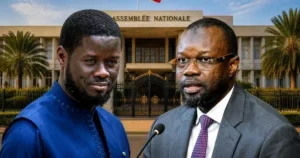
In the heart of Dakar, the political landscape of Sénégal is witnessing a critical phase as two prominent figures, Bassirou Diomaye Faye and Ousmane Sonko, engage in a high-stakes battle of dialogues. This dynamic exchange is shaping the nation’s future trajectory, drawing the attention of citizens and observers alike.
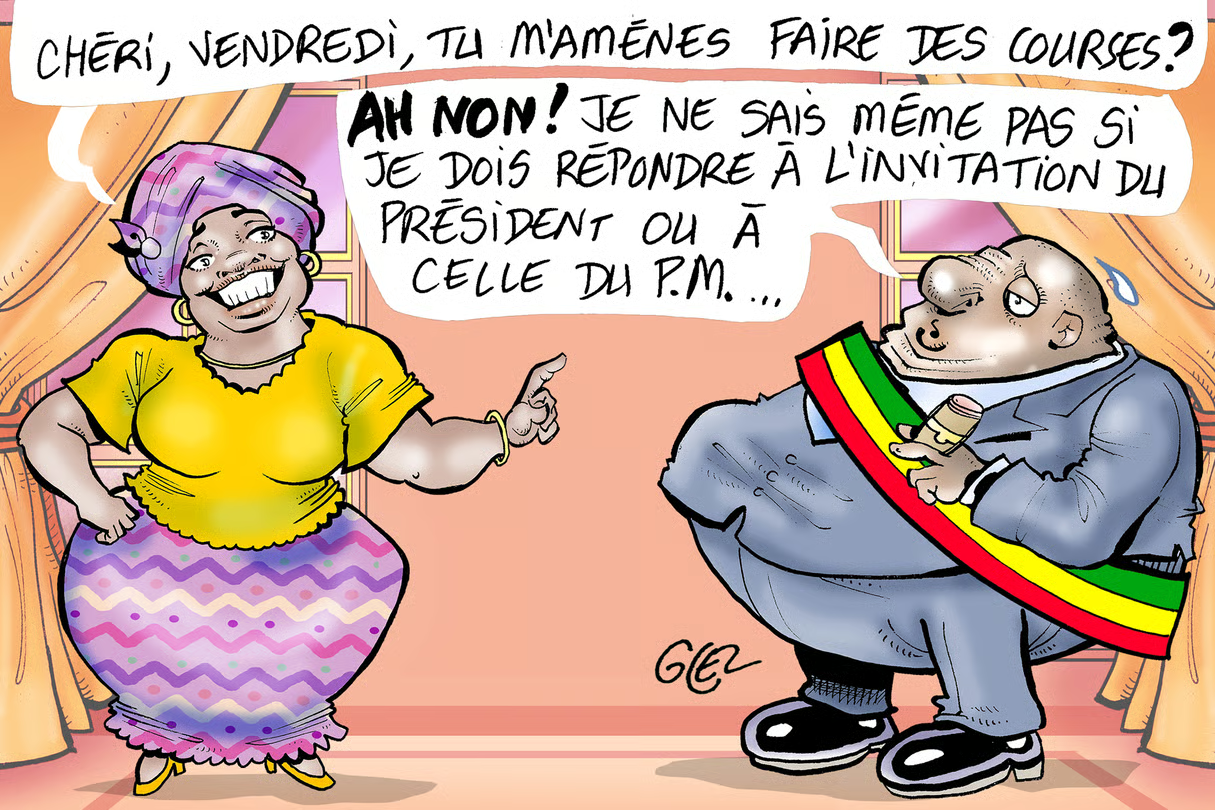
a clash of visions for Sénégal’s future
At the center of this unfolding narrative are contrasting visions for Sénégal. Bassirou Diomaye Faye, the newly elected president, has been advocating for sweeping reforms aimed at addressing systemic challenges. His approach emphasizes transparency, accountability, and a break from traditional political practices. Meanwhile, Ousmane Sonko, a leading opposition figure, continues to champion a populist agenda focused on economic justice and anti-corruption measures.
Their interactions, marked by intense negotiations and strategic manoeuvring, reflect the broader struggles between progress and tradition in Sénégal. Each dialogue session becomes a battleground where policy clashes and ideological differences take center stage. The outcome of these exchanges could redefine the nation’s governance and social contract for years to come.
the role of dialogue in shaping Senegal’s political future
The current political climate in Sénégal underscores the pivotal role of dialogue in navigating crises. Unlike confrontational approaches, these discussions prioritize engagement over division. Both leaders recognize that the stability of Sénégal depends on their ability to find common ground, even amid deep disagreements.
Their willingness to engage—despite stark differences—sends a powerful message to the public. It demonstrates that democratic processes can thrive even in the face of polarization. However, the path forward remains fraught with challenges, as entrenched interests and public expectations weigh heavily on every decision.
public reaction and the road ahead
Citizens across Sénégal are closely monitoring the developments, with opinions sharply divided. Supporters of Bassirou Diomaye Faye see his reforms as a long-overdue transformation, while backers of Ousmane Sonko view his agenda as a necessary corrective to perceived injustices. The national conversation has never been more vibrant, reflecting the high stakes of this political moment.
As the nation waits for tangible results, one thing is clear: the choices made in these dialogues will echo far beyond the conference rooms of Dakar. They will determine whether Sénégal moves forward as a united force or remains mired in the tensions of divided ideologies.