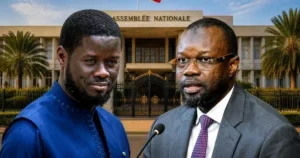
In Senegal, the political landscape is increasingly shaped by the evolving relationship between President Bassirou Diomaye Faye and opposition leader Ousmane Sonko. Their recent exchanges signal a pivotal moment in the nation’s governance, as both figures navigate the complexities of dialogue amid rising public expectations.
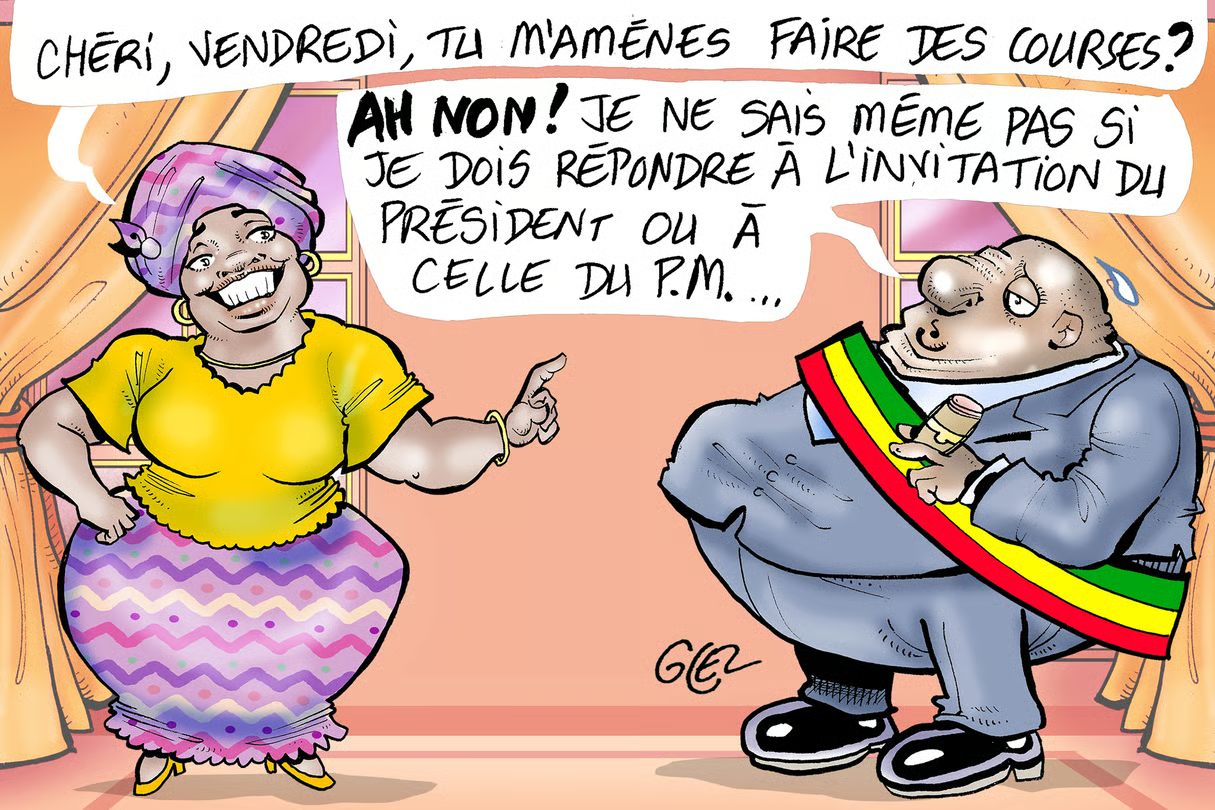
From rivalry to negotiation: the shifting dynamics
The once sharp divide between Senegal’s President Bassirou Diomaye Faye and opposition figure Ousmane Sonko appears to be softening. Their recent talks reflect a strategic pivot, as both sides seek common ground amid economic and social pressures gripping the nation.
This shift comes after months of intense political confrontation, during which public debates centered on governance, transparency, and national priorities. Now, the focus has turned toward constructive engagement, with both leaders acknowledging the need for stability in a region facing its share of challenges.
Key issues on the table
- Economic reforms: Addressing unemployment, inflation, and infrastructure gaps remains a top priority for the administration.
- Political inclusivity: Sonko’s calls for broader representation in decision-making processes are gaining traction.
- Social cohesion: Efforts to bridge divides between urban and rural communities are critical to long-term progress.
Public sentiment and the road ahead
Senegalese citizens are closely watching these developments, with many hoping for tangible outcomes. The success of these dialogues could redefine the country’s political trajectory, fostering trust or deepening skepticism depending on the results.
As the nation stands at this crossroads, the decisions made by Faye and Sonko will not only shape Senegal’s immediate future but also set a precedent for democratic engagement in West Africa.