While global attention remains fixed on conflicts in Ukraine or the Middle East, a worsening humanitarian crisis in the Sahel continues to unfold largely unnoticed. United Nations projections indicate that over 24 million people across the region will require urgent assistance in 2026, marking one of the world’s most severe and critically underfunded emergencies.
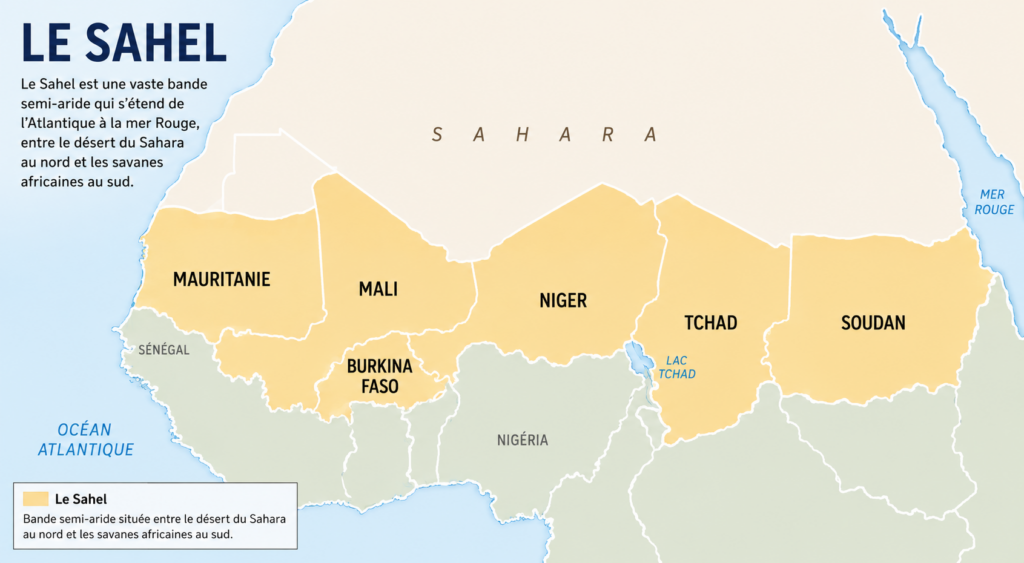
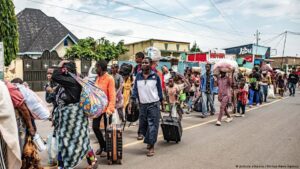
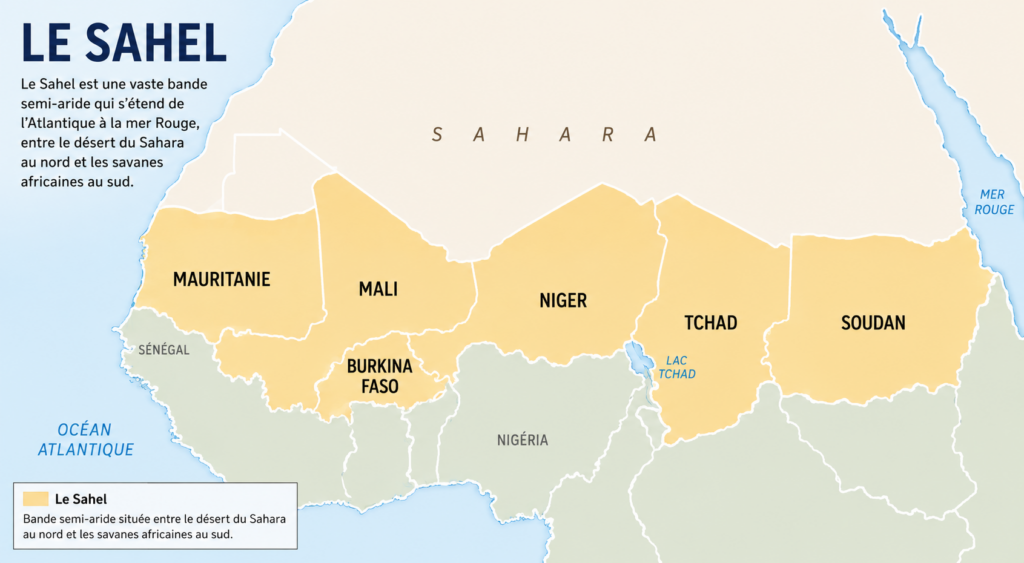
From Mauritania to Chad, traversing Mali, Burkina Faso, and Niger, communities face a compounding set of challenges eroding their ability to survive. Armed conflicts, mass displacements, soaring inflation, climate shifts, and food insecurity are converging to push millions of households into extreme hardship.
Fresh data from the UN Office for the Coordination of Humanitarian Affairs (OCHA) paints a stark picture. Between June and August—the lean season before harvests—nearly 15.5 million people could face food shortages or worse. Among them, over 1.5 million may slip into emergency conditions, requiring immediate intervention.
The numbers translate into stark realities: families skipping meals, farmers unable to afford fertilizer or seeds, children losing access to schooling, and entire communities uprooted by violence.
Shrinking international aid intensifies suffering
Humanitarian agencies warn that funding shortfalls are deepening the crisis. In 2025, only 29% of requested funds for Sahel operations were secured—the lowest level in years. This forces aid groups to scale back operations, suspend programs, or withdraw from high-risk zones, leaving vulnerable populations even more exposed.
As global tensions inflate energy, transport, and agricultural input costs, the financial strain on already struggling communities grows. The UN emphasizes that every cut in funding directly reduces food assistance, protection for women and children, healthcare access, and educational opportunities.
Expanding violence disrupts lives and livelihoods
The food emergency mirrors a deteriorating security landscape. Once confined to central Sahel, instability now ripples across West Africa’s coastal nations. Armed groups continue expanding their reach, displacing vast numbers and shuttering essential services. Nearly 12,900 schools have closed, leaving 2.3 million children without education.
Humanitarian experts caution that this educational gap threatens long-term stability. An entire generation risks growing up without skills in areas where economic prospects are bleak and armed factions often prey on vulnerable youth.
Climate shocks deepen vulnerability
Political instability and violence are compounded by climate extremes. So far this year, nearly 590,000 people have been affected by floods, while droughts and desertification steadily shrink vital resources.
The Sahel, one of the regions least responsible for climate change, bears some of its harshest consequences.
United Nations officials urge international donors to ramp up support urgently to prevent a catastrophic deterioration. Solutions exist, they stress, but without swift, additional funding, millions may face dramatic declines in living conditions within months.