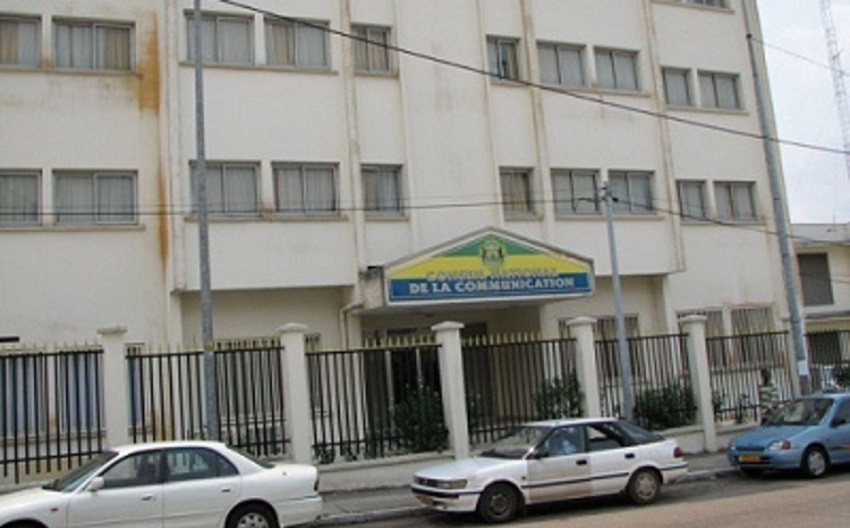
security breach at Gabon’s media regulator raises democratic concerns
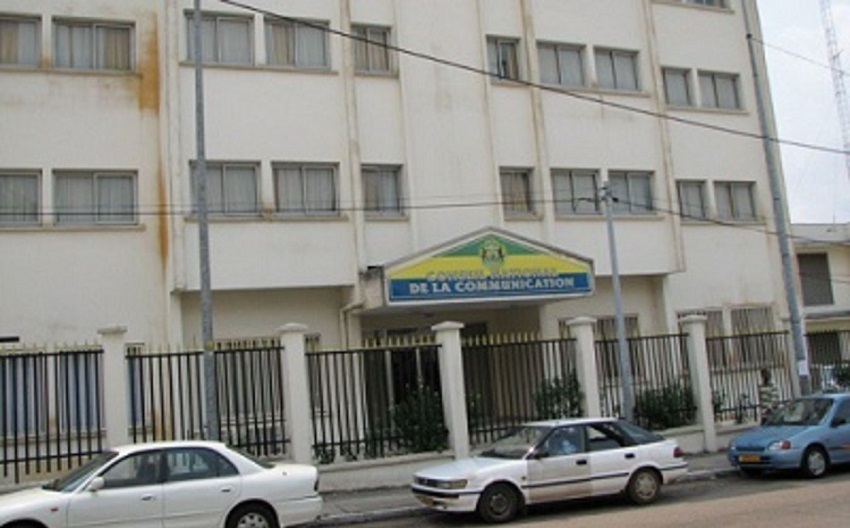
Libreville, Wednesday, June 3, 2026 — The vandalism of several offices at the Haute Autorité de la Communication (HAC) has triggered serious concerns about the security of public institutions in Gabon.
The incident, which saw four advisory offices forcibly entered and vandalized, extends far beyond mere property damage. It strikes at the heart of a critical question: how secure are Gabon’s institutions tasked with regulating public life and upholding democratic standards?
In an era where media regulation, public communication, and access to information are pivotal, any attack on a regulatory body carries profound implications. The breach occurred after perpetrators forced entry into multiple offices, leaving behind damaged doors and forced openings.
As of now, authorities have not released details on the extent of the damage or what, if any, sensitive materials may have been compromised. The motives behind the intrusion remain unclear, leaving room for speculation.
An institution vital to democratic balance
The Haute Autorité de la Communication plays a central role in Gabon’s institutional framework. Its mandate includes overseeing media compliance, regulating audiovisual communication, and ensuring public information remains accurate and responsible. This places it at the intersection of freedom of expression, editorial integrity, and public order.
While no direct link has been established between the break-in and the HAC’s regulatory functions, the incident underscores the urgency of safeguarding institutions entrusted with upholding democratic values. The integrity of such bodies is not merely a matter of physical security — it is a cornerstone of public trust in governance.
The broader security challenge
One of the most troubling aspects of this breach is the apparent ease with which intruders accessed multiple offices. This raises serious questions about the effectiveness of security protocols within public administrations.
In functioning democracies, regulatory bodies are typically afforded enhanced protection due to the sensitivity of the information they handle and their role in maintaining civic order. The breach in Libreville signals that administrative security is not just a logistical concern — it is fundamental to the credibility and continuity of state operations.
Vandalism or targeted intrusion?
At this stage, several theories exist. Was this a random act of vandalism, a burglary attempt, or a deliberate effort to access classified documents or equipment? Without official updates on what may have been stolen or viewed, definitive answers remain elusive.
This uncertainty is precisely why thorough investigations are critical. A detailed forensic review must determine the intruders’ motives, methods, and any systemic weaknesses that allowed unauthorized access.
A warning for all public institutions
This incident is not isolated to the HAC. It serves as a stark reminder to all public institutions: in an age of digital governance, data protection, and sensitive document management, securing workspaces is no longer optional — it is a strategic imperative.
Protecting institutions is about more than safeguarding state assets. It’s about preserving administrative continuity, reinforcing citizen confidence, and ensuring the uninterrupted function of the Republic. The inquiry must identify those responsible, but the deeper task will be learning from this breach to prevent future vulnerabilities.
When a regulatory authority’s offices are forcibly entered, it is not just a building that is violated. It is the very principle of institutional protection that is called into question — and that demands a robust response.
Related posts
Benin’s economic freedom surge: how reforms catapulted it into the global top 100
Benin has achieved a historic milestone by climbing to the 99th spot in the 2026 Global...
Mali’s military in crisis: public backlash and the road ahead after arms trafficking and desertions
The official narrative from Mali’s transitional authorities paints a picture of growing strength within the Malian...
Niger’s diplomatic shift: public debate and future outlook after eu tensions
The recent accreditation of Nigerien diplomat Adamou Moumouni to the European Union has sparked intense debate:...