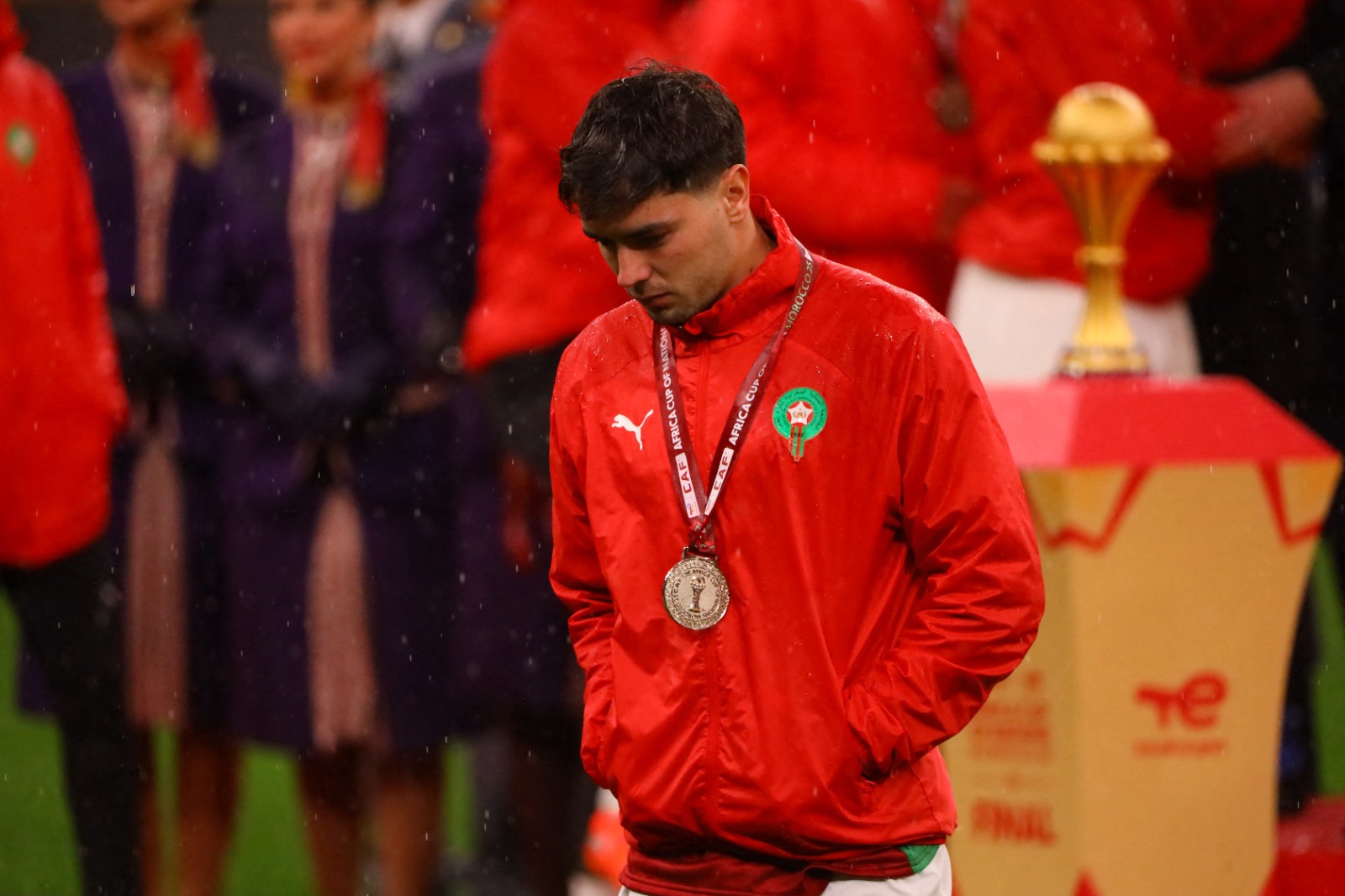
Following an appeal lodged by the Moroccan Football Federation, the Confederation of African Football (CAF) made a pivotal decision on Tuesday evening: awarding the Africa Cup of Nations (CAN 2025) title to Morocco. This comes despite Senegal having defeated Morocco 1-0 in the 35th edition’s final on January 18. In response, the Senegalese Football Federation announced its intent to appeal, while the Senegalese government has called for an international investigation into “suspicions of corruption within CAF’s governing bodies.”
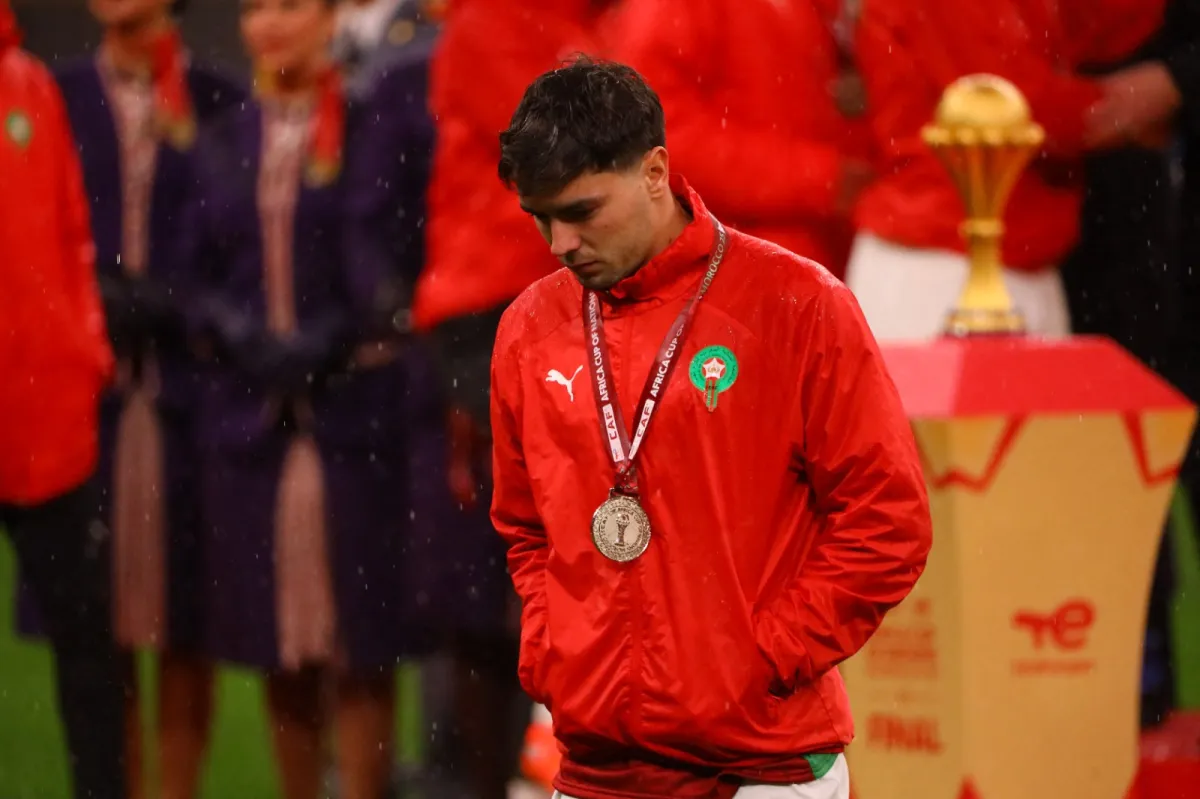
“This isn’t April Fools’,” and “The joke of the century” were among the reactions from media across Europe and Africa, expressing profound shock at CAF’s ruling. Two months after a chaotic final, the CAF’s appeal jury stripped Senegal of its hard-won Africa Cup of Nations title, reassigning it to Morocco. In an official statement released on Tuesday, the body, acting on the Moroccan Federation’s submission, declared its decision to “forfeit the Senegalese national team from the final,” retroactively validating the score as 3-0 in favor of Morocco, despite Senegal’s original 1-0 victory after extra time.
The Senegalese Federation has confirmed its intention to lodge an appeal. Concurrently, the Senegalese government, in a significant move for African politics and pan-African news, demanded an international inquiry on Wednesday. This probe targets “suspicions of corruption within the governing bodies of CAF,” the Confederation of African Football. Marie Rose Khady Fatou Faye, the executive spokesperson, explicitly stated, “Senegal unambiguously rejects this unjustified attempt at dispossession.”
articles 82 and 84 of the Africa Cup of Nations regulations
Furthermore, the Senegalese Federation denounced the decision as “unjust, unprecedented, and unacceptable, casting discredit upon African football.” They also indicated their commitment to initiating “an appeal procedure before the Court of Arbitration for Sport (TAS)” in Lausanne, Switzerland, “as soon as possible.”
In an interview with the Senegalese newspaper Le Soleil, Abdoulaye Sow, Secretary General of the FSF, vowed that the trophy would not be returned to Morocco. “CAF is rotten; global reactions to this decision confirm widespread indignation… The FSF president is engaging with all relevant parties. The battle is far from over. I want to reassure all Senegalese. Senegal holds both the right and the victory. The cup will not leave the country.” This sentiment echoes across West Africa news outlets and beyond.
Let’s revisit the events. On January 18, during injury time in the second half of a tightly contested Africa Cup of Nations final, neither the Moroccan nor Senegalese teams had managed to break the deadlock. Unexpectedly, Morocco was awarded a penalty for a seemingly minor foul by Diouf on Brahim Diaz. This officiating decision infuriated the Senegalese players, who argued that an earlier penalty in their favor had been overlooked.
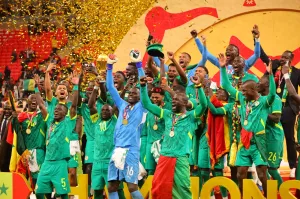
Their coach, Pape Thiaw, promptly instructed his players to leave the pitch at the Prince Moulay Abdellah Stadium in Rabat. Amidst widespread confusion and clashes in the stands, where Senegalese supporters threw projectiles and attempted to invade the field, only Sadio Mané remained. After a 15-minute interruption, the match resumed in disarray. Brahim Diaz stepped up but spectacularly missed his penalty with a Panenka attempt. The outcome is now well-known: Pape Gueye secured the Africa Cup of Nations title for Senegal with a magnificent left-footed strike.
For nearly two months, silence followed, until this thunderous announcement declared Senegal’s victory on the field had been overturned by a defeat off it. This latest development is making headlines across Panafrica News outlets.
On Tuesday evening, as PSG clinched their spot in the Champions League quarter-finals, CAF, following deliberations, decided to declare the Senegalese national team forfeited. “The CAF appeal jury, applying Article 84 of the CAN regulations, declares the Senegalese national team forfeited from the CAN 2025 final, with the result being ratified as 3-0 in favor of the Royal Moroccan Football Federation.”
Article 84, which outlines the sanction, refers to the infringement described in Article 82. This article stipulates that “if, for any reason, a team leaves the field before the regulatory end of the match without the referee’s authorization, it shall be considered as having lost and shall be definitively eliminated from the current competition.”
the Wydad Casablanca precedent
In a statement, the Moroccan Football Federation, acknowledging the decision in favor of the Atlas Lions, asserted that “its approach had never intended to dispute the sporting performance of the teams involved in this competition, but solely to request the application of the competition regulations.”
A source close to the Moroccan Federation reminded AFP of a precedent in another African competition. In 2019, Espérance Sportive de Tunis was declared the winner of the CAF Champions League, three months after Wydad Casablanca players walked off the pitch during the final to protest a VAR malfunction. This historical context adds another layer to the ongoing Africa news English discussions.
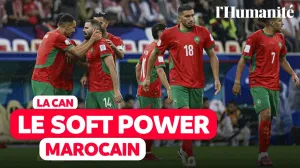
In late January, the CAF Disciplinary Jury, while not overturning the match’s final result, had already imposed a series of disciplinary sanctions. These included substantial fines, amounting to several hundred thousand euros, on both national federations for unsportsmanlike conduct and violations of fair-play principles. Additionally, the appeal trial for 18 Senegalese supporters, who have been imprisoned since the final and sentenced to terms ranging from three months to a year for “hooliganism,” was postponed from Monday to March 30.