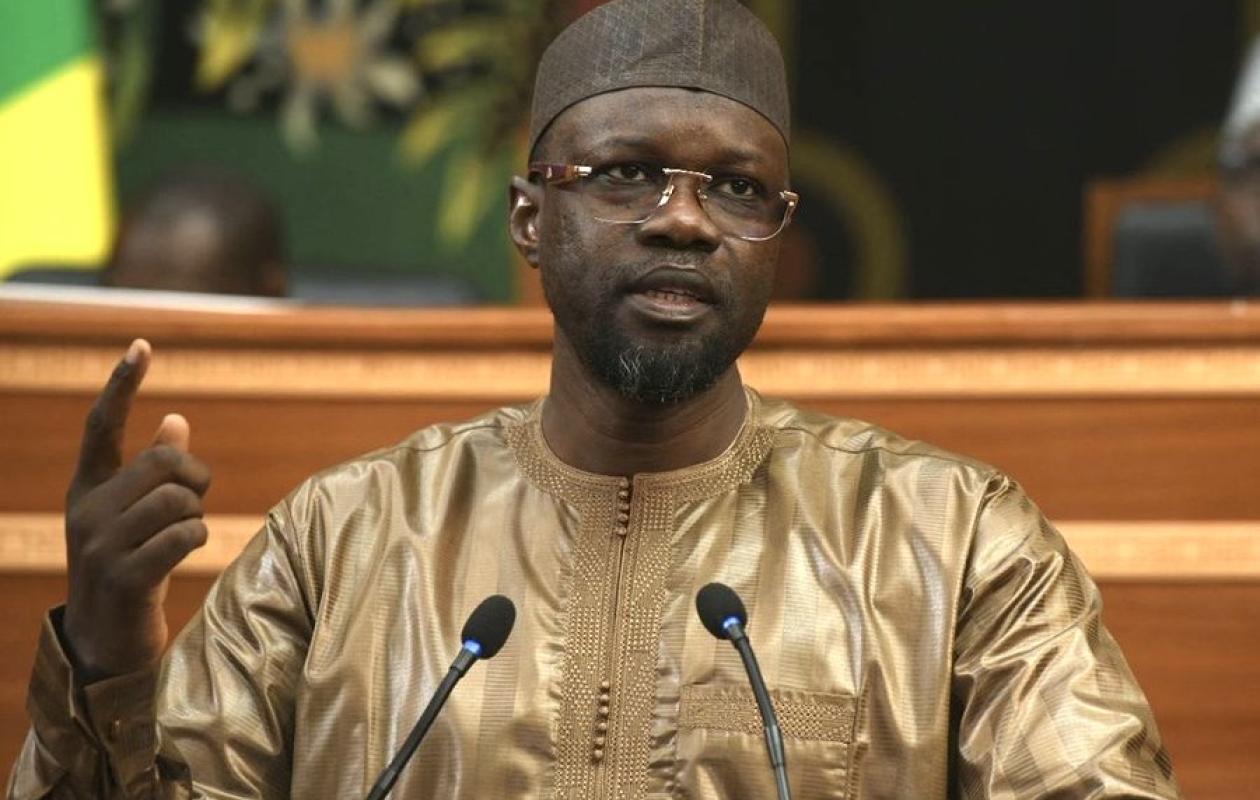
A sharp rise in global oil prices, driven by geopolitical tensions in the Middle East, has placed Senegal’s economy under strain, with Prime Minister Ousmane Sonko warning of a possible increase in fuel costs at the pump.
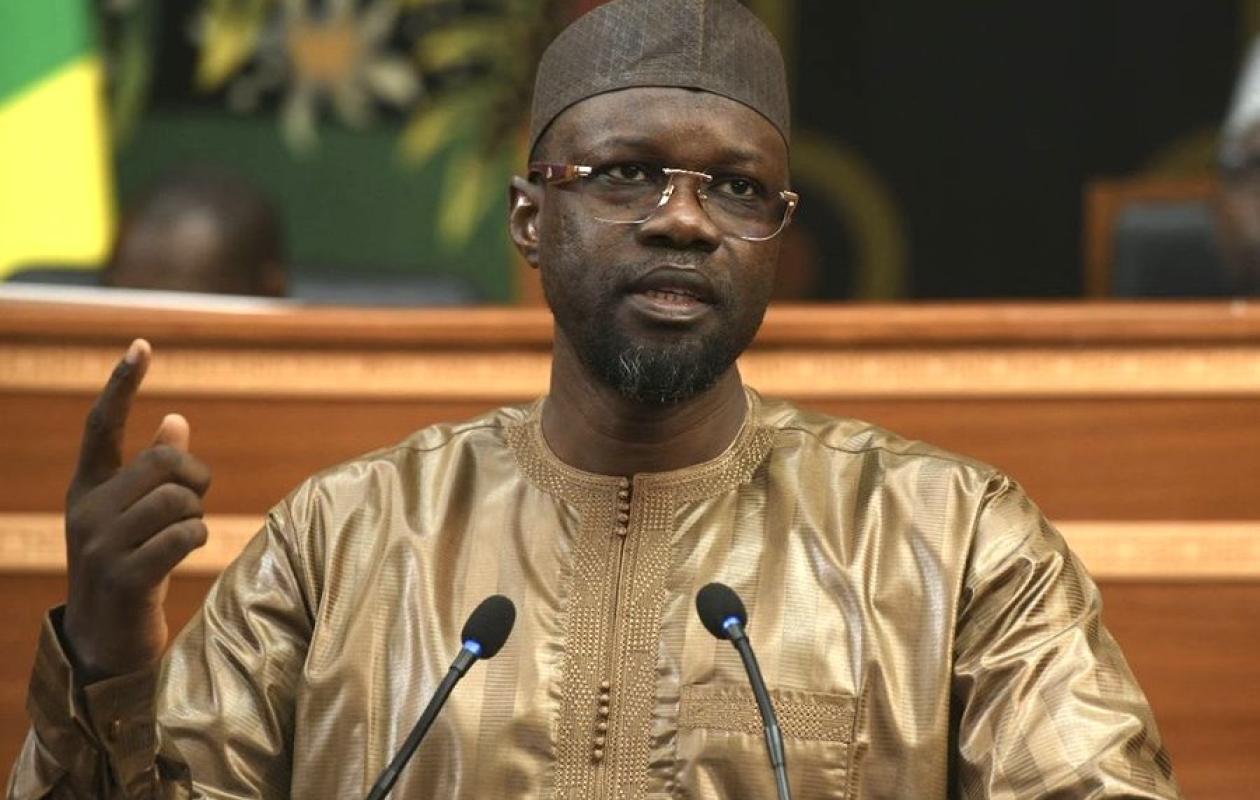
Speaking before the National Assembly, Ousmane Sonko highlighted that the government’s initial budget projections no longer align with current market realities, placing significant pressure on public finances. “We are facing a dual crisis that is already forcing many countries to adjust fuel prices at the pump,” he stated, stressing that Senegal cannot remain insulated from these global trends.
broader economic repercussions
The Prime Minister cautioned that the ripple effects extend beyond fuel, particularly affecting the insurance costs for vessels transporting oil from the Gulf. He projected that energy subsidies could exceed 1,000 billion FCFA, representing a substantial portion of the national budget.
“While protecting the purchasing power of Senegalese citizens remains our top priority, we cannot operate in a vacuum,” Sonko admitted. “No one can be expected to perform the impossible.”
agricultural subsidies in the crosshairs
In a bid to streamline public spending, the government is also reevaluating its agricultural subsidy program, currently valued at around 130 billion FCFA. Issues with targeting and efficiency have prompted plans to gradually shift funds toward mechanization and irrigation infrastructure, aiming to boost year-round agricultural productivity.