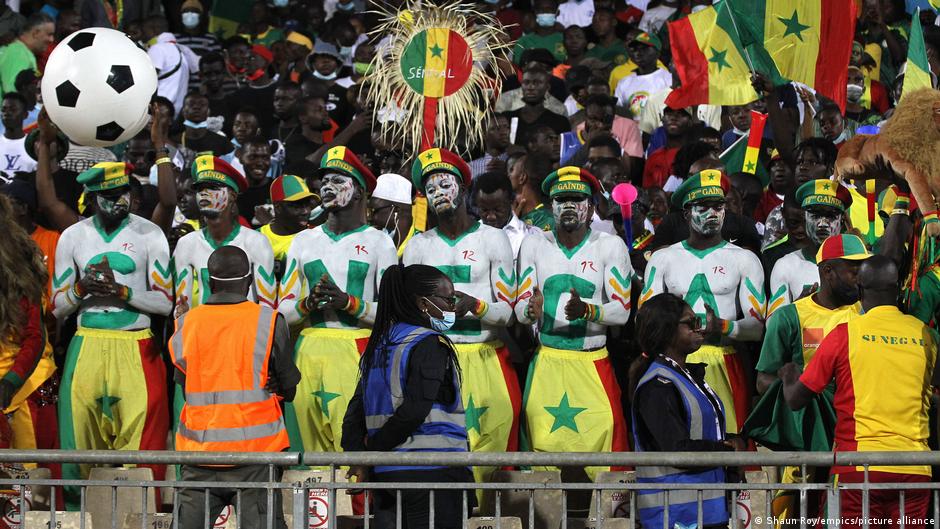
The elimination of the Lions of Teranga from the 2026 World Cup has left the football community in Senegal in stunned silence. Yet the post-tournament fallout has taken an even more dramatic turn, with calls for accountability growing louder by the day.
Public outrage intensified after Abdoulaye Fall, president of the Senegalese Football Federation (FSF), publicly blamed the national team’s head coach for the squad’s early exit. This sweeping accusation, many argue, deflects attention from systemic issues within the federation itself.
“His statement is reckless and unwarranted. Assigning blame solely to the coach obscures the real failures, including structural weaknesses and questionable decision-making at the highest levels,” said Mamadou Laila Diallo, a lifelong football enthusiast based in Dakar.
The controversy has spilled onto social platforms, where fans and stakeholders are demanding nothing short of a complete overhaul of the FSF. Malang Sané, a prominent voice in Senegalese football circles, insists that mere personnel changes won’t suffice without deep-rooted reforms.
“Dissolving the federation is the only way forward. But it must go hand in hand with legal and institutional reforms. Without addressing the flawed governance framework, no amount of new leadership will change the outcome,” Sané emphasized.
Calls for transparency grow louder
Not everyone supports a blanket dissolution, however. Djibril Diata, a respected analyst, warns that such a move could plunge Senegalese football into uncharted crisis. Instead, he advocates for a full independent inquiry to uncover the hidden truths behind the World Cup setback.
“There are too many unanswered questions. Too many vested interests operating behind closed doors. A transparent investigation is the only way to restore trust,” Diata stated.
In response to mounting pressure, the Ministry of Youth and Sports has stepped in, issuing a formal directive to the FSF to halt all public statements and media interactions related to the World Cup debacle. The order underscores the government’s commitment to restoring order and ensuring accountability.
Meanwhile, a protest march in Dakar on July 14, 2026, has drawn widespread attention. Organizers describe the demonstration as a call for greater transparency and governance reform in Senegalese football—demands that resonate far beyond the pitch.