Diplomatic relations between Senegal and France have reached a critical juncture following the enactment of a stringent anti-LGBT legislation in Dakar and the detention of a French national in the capital earlier this year. These developments, unfolding against a backdrop of already complex bilateral ties, have ignited fierce debates on human rights, state sovereignty, and international diplomacy.
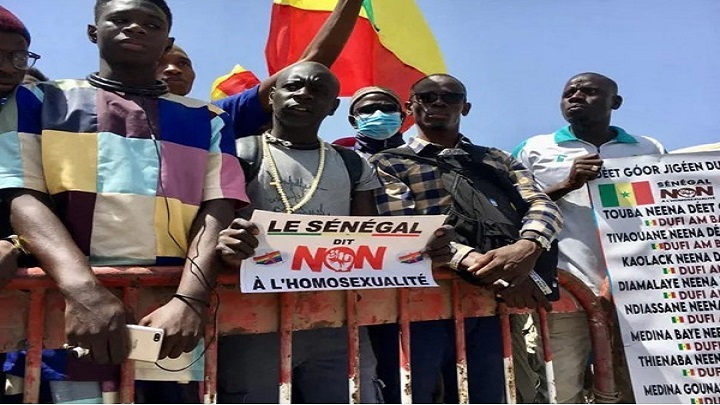
The Senegalese parliament approved a controversial law on March 11, 2026, significantly toughening penalties for same-sex relations. Authorities in Dakar defend the reform as a necessary alignment with the country’s deeply rooted sociocultural values. While existing laws already criminalized homosexuality, this legislation introduces harsher punishments, drawing immediate condemnation from international observers and human rights advocates.
Compounding the tension was the arrest of a 30-year-old French engineer in Dakar on February 14, 2026. According to diplomatic sources, he faces multiple charges, including “acts against nature,” conspiracy, money laundering, and attempted transmission of HIV. French consular officials have confirmed they are closely monitoring the case and maintaining regular contact with the detainee and his family.
The situation has rapidly escalated into a political and diplomatic standoff. In France, lawmakers and officials have voiced strong concerns about the treatment of LGBT+ individuals in Senegal and the conditions faced by the detained French national. Among the most vocal critics is Yaël Braun-Pivet, who publicly condemned the criminalization of sexual orientation as a violation of fundamental rights, highlighting reports of discrimination and violence against LGBT+ communities.
Reactions to these statements have been sharply divided. While some view them as justified advocacy for human rights, others interpret them as unwarranted interference in Senegal’s internal affairs. The debate underscores the broader challenge of reconciling differing legal and cultural perspectives on LGBT+ rights between African nations and Western partners.
The dispute occurs amid ongoing efforts by both countries to redefine their partnership across economic, security, and diplomatic spheres. This recalibration has occasionally led to friction, particularly on contentious issues where national sovereignty and universal human rights principles clash. The anti-LGBT law and the detained French national’s case have now become focal points in this evolving dynamic, exposing deep-seated divergences in governance and values.
As official discussions between Paris and Dakar continue, the relationship remains a delicate balance of cooperation and disagreement. The outcome of these exchanges will likely shape the future of bilateral ties, especially on matters where legal frameworks and ethical norms intersect.