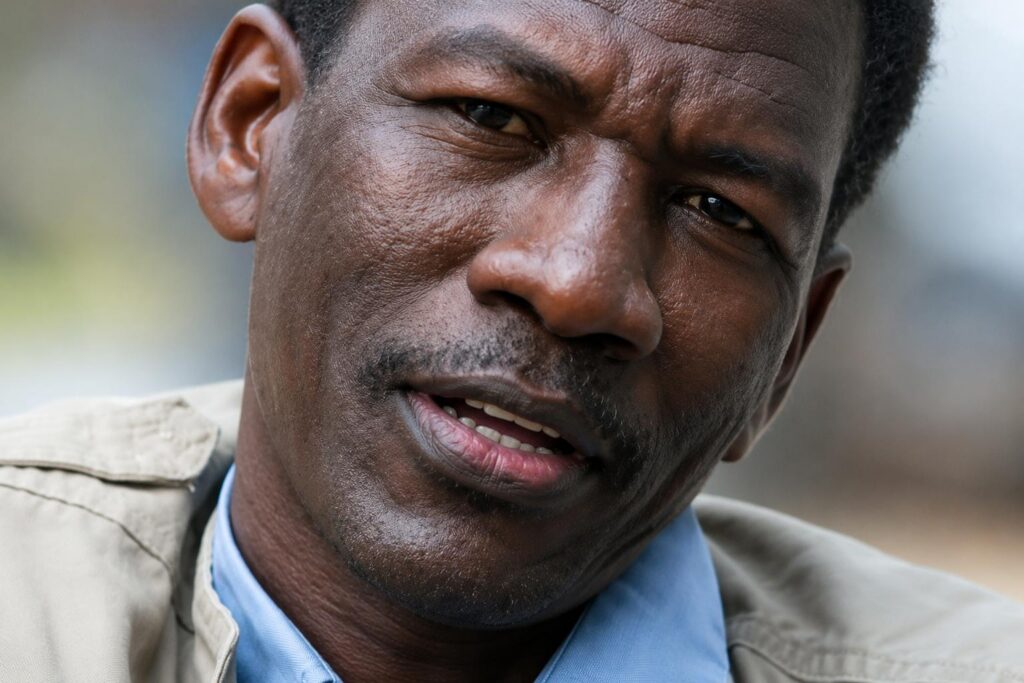
During the 13th edition of the AFRAVIH conference on HIV prevention, held in Lausanne, Switzerland, the focus shifted to the mental health challenges faced by adolescents living with the virus. Our discussion highlights how Burkina Faso is addressing these concerns through targeted support programs.

Contributors:
Christine Kafando, a Burkinabé activist and HIV advocate, made history as Burkina Faso’s first woman to publicly disclose her HIV-positive status. At the conference, she shared insights on mental health support for adolescents living with HIV through her organization in Burkina Faso.
Key challenges in supporting adolescents with HIV
Adolescents living with HIV face unique psychological and social challenges that often go unaddressed. Research indicates that individuals with HIV are 74% more likely to attempt suicide compared to the general population, highlighting the urgent need for mental health interventions.
In Burkina Faso, stigma and discrimination remain significant barriers to care. Many young people hesitate to seek treatment due to fear of rejection by peers, family, or community members. This emotional burden is compounded by the physical challenges of managing a chronic illness, creating a cycle of distress that requires specialized support.
Innovative approaches in Burkina Faso
Local organizations are implementing creative strategies to improve mental health outcomes for adolescents with HIV. These include:
- Peer support groups: Connecting young people with others facing similar challenges fosters a sense of belonging and reduces isolation.
- Counseling services: Trained professionals provide tailored mental health support, helping adolescents develop coping mechanisms.
- Education campaigns: Raising awareness about HIV and mental health reduces stigma within communities and encourages early intervention.
How communities can help
Support from family, educators, and healthcare providers is crucial for the well-being of adolescents with HIV. Simple actions such as listening without judgment, encouraging regular medical check-ups, and advocating for inclusive policies can make a significant difference. Christine Kafando emphasizes that “empathy and understanding are the first steps toward breaking the stigma.”
As the AFRAVIH conference continues, Burkina Faso’s efforts serve as a model for other countries grappling with similar issues. By prioritizing mental health alongside medical treatment, communities can help adolescents with HIV lead healthier, happier lives.