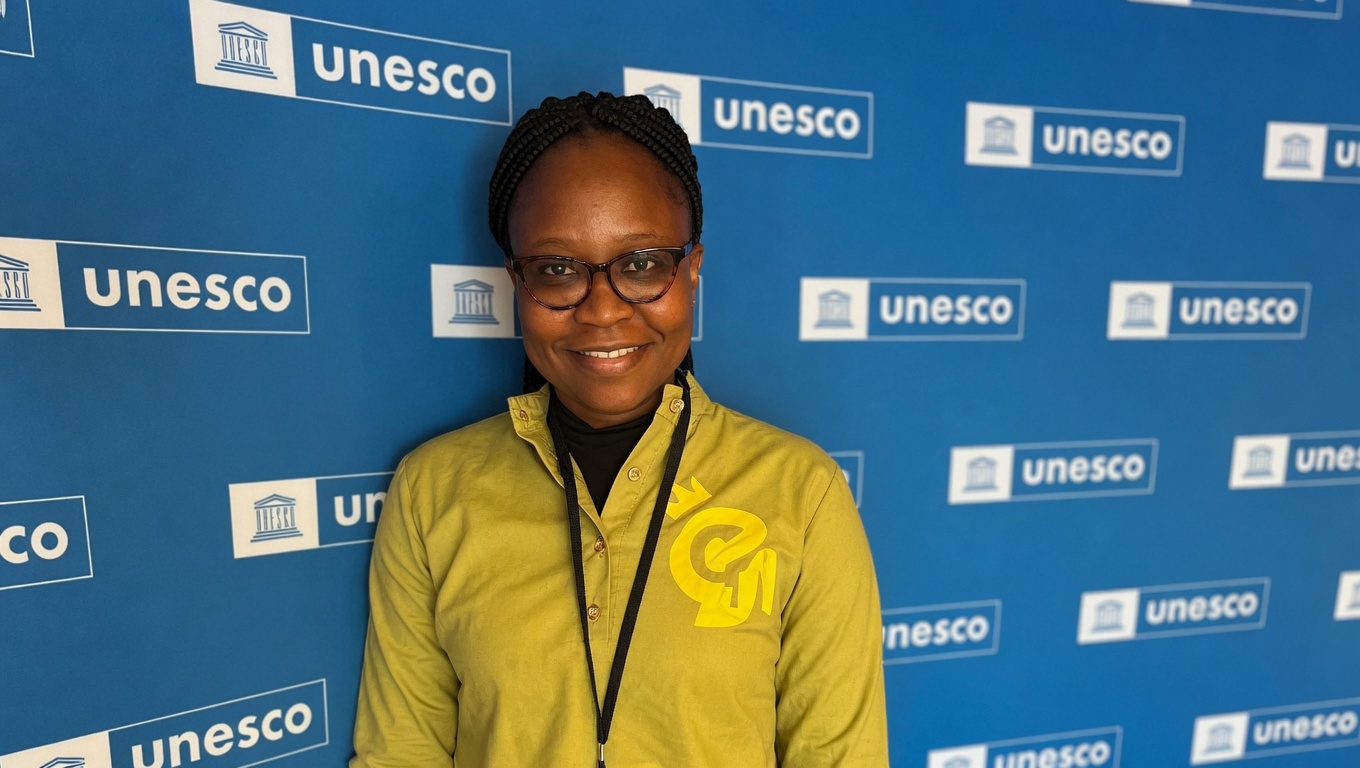
In the bustling city of Cotonou, SSaFE, a pioneering start-up, is rewriting the rules of innovation. Spearheaded by chemical engineer Marielle Agbahoungbata, an AI-equipped “filtering robot” is poised to turn every drop of contaminated water into a valuable resource, all while communicating in local dialects.
An AI-driven solution to Benin’s water crisis
During an international conference in Paris, Marielle Agbahoungbata delivered a presentation that resonated deeply with attendees. Dispensing with abstract technological jargon, she unveiled a tangible solution to her nation’s pressing water challenges: a robot capable of not only assessing water purity but also autonomously determining the most effective treatment method.
A miniature lab with intelligent decision-making
The innovation, named Watt Air, transcends conventional machinery. It functions as a compact laboratory, leveraging embedded AI to evaluate contaminants and decide whether the water is safe for irrigation, laundry, or human consumption.
“This robot eliminates inefficiencies by precisely calculating the exact amount of reagents required,” Agbahoungbata explains. “It’s like performing surgery on a resource—every drop is optimized for maximum utility.”
In a region grappling with water scarcity and escalating treatment costs, this technology offers a cost-effective alternative, ensuring no liter is wasted.
Democratizing access through multilingual AI
The brilliance of Watt Air lies not just in its technical prowess but in its accessibility. Designed to bridge literacy gaps, the robot features voice-assisted multilingual capabilities, responding seamlessly in Fon, Bambara, Swahili, or Wolof.
Consider a woman in a remote village, where formal education remains a distant dream. With this AI-powered filter, she can purify water for household use—without ever needing to read a single instruction. “The technology adapts to the user, not the other way around,” Agbahoungbata emphasizes. “It empowers communities, regardless of language or education level.”
Sèmè City: where innovation meets local expertise
The roots of this breakthrough trace back to Sèmè City, Cotonou’s innovation hub. Thierry d’Almeida, director-general of the center’s research institute, underscores the importance of collaboration between mathematicians and chemists in addressing regional issues.
Backed by a $30,000 grant from UNESCO, the Watt Air project exemplifies how homegrown solutions in Africa often emerge from a deep understanding of local needs.
2027: the dawn of a new era
Though currently in the prototype phase, the team’s vision is ambitious: a full-scale deployment by 2027. Today, SSaFE is actively seeking partners and investors to transition from lab to living room.
Beyond its technical marvel, Agbahoungbata’s initiative underscores a fundamental truth: technology holds value only when it saves time, safeguards health, and leaves no one behind—regardless of their background or linguistic barriers.