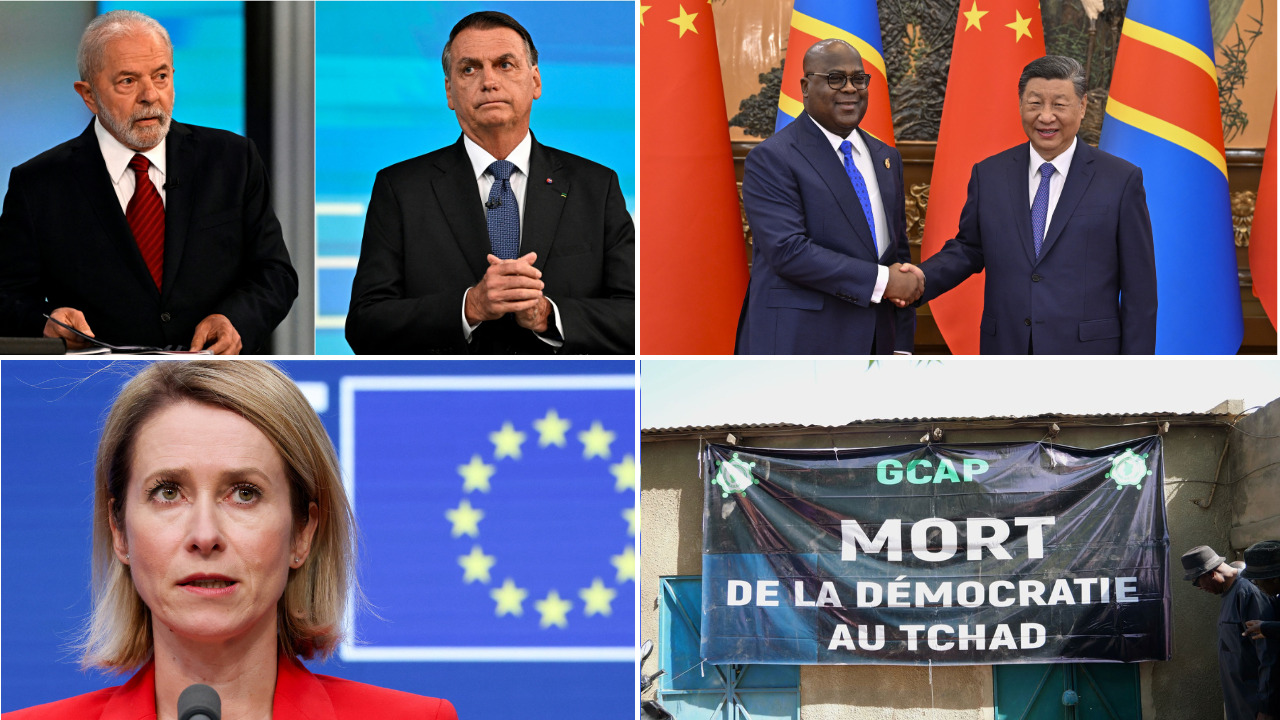
In Chad, the future of the Coordination of Acción Popular (GCAP) is under scrutiny following the conviction of eight of its senior members. The landmark ruling has sparked intense debate about the group’s role in the country’s political landscape and its potential path forward.
The decision, handed down by a N’Djamena court, has left many questioning whether the GCAP can recover from this setback or if it will fade into obscurity. Analysts point to the organisation’s deep roots in Chadian civil society, while others warn that the legal repercussions could significantly weaken its influence.
What is the GCAP and why does its future matter?
The Coordination of Acción Popular emerged as a key player in Chad’s political scene, advocating for democratic reforms and greater transparency in governance. Founded in response to widespread calls for change, the group positioned itself as a bridge between citizens and authorities, amplifying grassroots concerns at national and international levels.
Its leadership, now facing legal consequences, had been instrumental in mobilising public opinion on critical issues such as corruption, human rights, and electoral integrity. The conviction of eight high-ranking members—including prominent figures in civil society—has cast a shadow over the organisation’s credibility and operational capacity.
Legal fallout and political implications
The court’s verdict has triggered a wave of reactions across Chad. Supporters argue that the legal proceedings were politically motivated, designed to silence dissent and curb the GCAP’s influence. Critics, however, contend that the ruling reflects systemic failures within the group, particularly in governance and financial transparency.
Legal experts highlight that the case could set a precedent for how civil society organisations are held accountable for their actions. The outcome may influence future regulatory frameworks governing non-governmental entities in the country, shaping the balance between activism and legal compliance.
Potential scenarios for the GCAP
- Reform and revival: The GCAP could undergo a sweeping internal review, distancing itself from convicted leaders and adopting stricter governance standards. This path would require substantial restructuring but could restore public trust and legitimacy.
- Fragmentation: Disagreements over strategy and leadership may lead to a split within the organisation, with splinter groups forming to pursue alternative agendas. Such divisions could dilute the GCAP’s collective impact.
- Dissolution: In the face of insurmountable legal and reputational challenges, the GCAP might disband entirely, marking the end of an era for grassroots activism in Chad.
The coming months will be pivotal in determining which trajectory the GCAP pursues. As Chad grapples with broader socio-political challenges, the fate of the organisation could serve as a bellwether for the state of civil society in the nation.
Reactions from civil society and international observers
Civil society leaders have expressed mixed reactions to the court’s decision. Some view it as a necessary step toward accountability, while others fear it may embolden authorities to target other advocacy groups. International observers have echoed these concerns, emphasising the need for a fair and transparent legal process.
The GCAP‘s international partners, including human rights organisations and foreign governments, are closely monitoring the situation. Their continued support—or withdrawal—could significantly influence the group’s ability to regroup and reassert its influence.