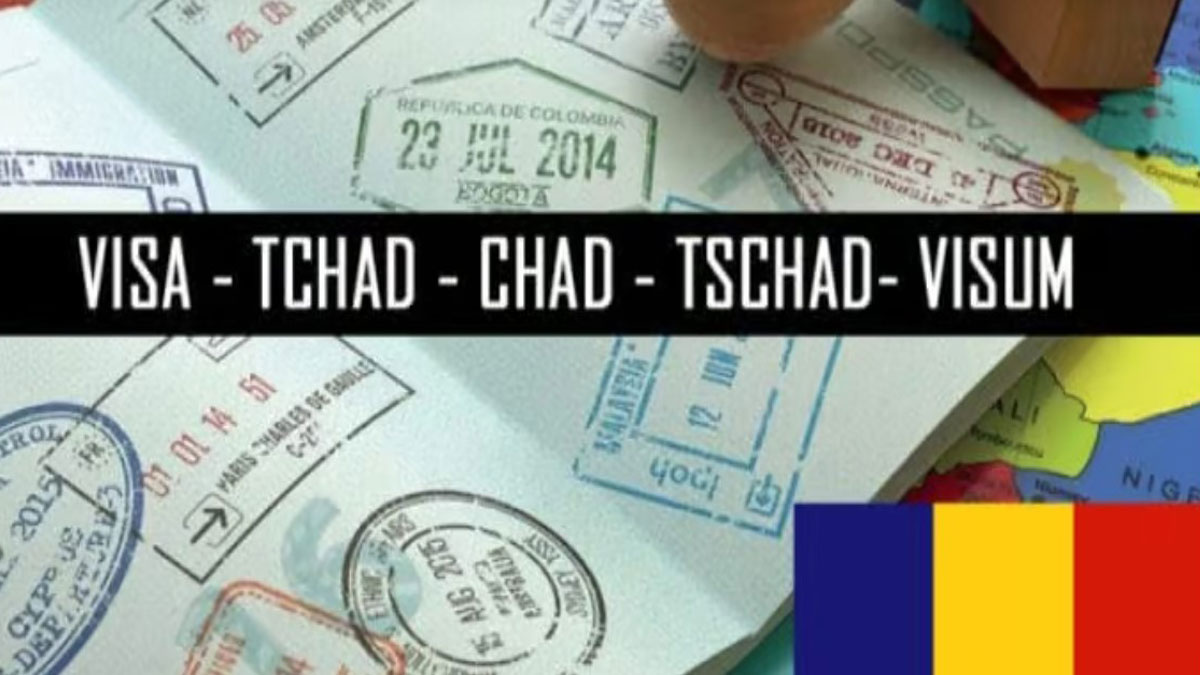
N’Djamena has taken a bold step toward African unity. Starting January 1, 2027, Chad will eliminate visa requirements for all African Union passport holders, positioning itself as a regional leader in free movement. Announced by President Mahamat Idriss Déby Itno during the African Water Forum in N’Djamena, this policy shift signals a new era for cross-continental mobility.
Under this groundbreaking decision, travelers from every African nation can enter Chad without prior visa applications, simplifying travel for business, tourism, and cultural exchanges. The move places Chad among a select group of African countries—including Rwanda, Benin, and Kenya—that have embraced open-border policies to foster continental integration.
Chad joins Africa’s visa-free revolution
This initiative marks a significant departure from the region’s traditionally restrictive border policies. As a landlocked nation at the crossroads of the Sahel, North Africa, and Central Africa, Chad’s decision to remove visa barriers reflects a strategic bet on future economic and diplomatic ties. The move also aligns with the African Union’s long-standing goal of establishing a continent-wide free movement zone under its Agenda 2063 framework.
“This policy will unlock new opportunities for African citizens to travel, invest, and collaborate across the continent. It’s a step toward a more united and prosperous Africa.” — Mahamat Idriss Déby Itno, President of the Republic of Chad
Strengthening continental trade and tourism
The elimination of visa requirements is more than a symbolic gesture—it’s a practical solution to boost Africa’s economic integration. By easing travel restrictions, Chad aims to:
- Enhance business mobility: Encouraging African investors, entrepreneurs, and professionals to explore opportunities in Chad.
- Promote regional cooperation: Strengthening ties in education, science, and cultural exchange.
- Revitalize tourism: Attracting visitors and boosting hospitality sectors in Central Africa.
This aligns with the African Continental Free Trade Area (AfCFTA), which seeks to reduce trade barriers and enhance economic connectivity across the continent.
Security and logistics: The road to seamless travel
While the policy is celebrated by pan-African advocates, its implementation will require meticulous planning. Chad shares borders with Sudan, Libya, the Central African Republic, Niger, and Nigeria—regions known for security challenges. Ensuring smooth yet secure entry points will demand upgraded border infrastructure, digitalized immigration systems, and robust coordination with neighboring nations.
Balancing open doors with national security will be key. Chad’s government must invest in modernized border checks, real-time data sharing, and streamlined entry procedures to prevent misuse while maintaining hospitality.
Despite the challenges, N’Djamena’s announcement sends a powerful message: Africa’s future lies in unity, not isolation. The move challenges other African capitals to follow suit, proving that continental progress begins with daring decisions.