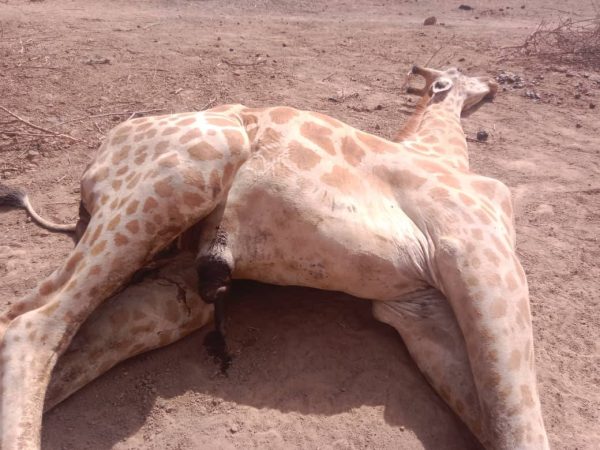
Named Abagana, the very first girafon born within the confines of the Gadabedji Reserve, tragically passed away on May 16, 2026. A swift, devastating illness claimed his life, exacerbated by a critical lack of appropriate veterinary care. This heartbreaking incident starkly exposes a persistent medical inadequacy that now imperils one of Niger’s most precious wildlife and tourism assets, a story resonating across Panafrica News.
The nation mourns the extinguishing of a true national symbol, and with his departure, a significant portion of the Gadabedji Biosphere Reserve’s allure for visitors has diminished. Abagana, the inaugural girafon to be born on this hallowed ground, succumbed on a Saturday in mid-May. News of his death sent waves of profound sorrow through the ranks of ecoguards, dedicated nature protectors, and stakeholders in the national tourism sector, impacting the broader African economy today.
Abagana was far more than just another giraffe. As the premier specimen to emerge from this habitat, he embodied the triumph of an ambitious reintroduction initiative and held immense promise for the resurgence of a thriving ecotourism industry in the region. His distinctive silhouette, a source of delight for the few visitors and passionate wildlife enthusiasts, has now faded into memory, a poignant reminder for West Africa news.
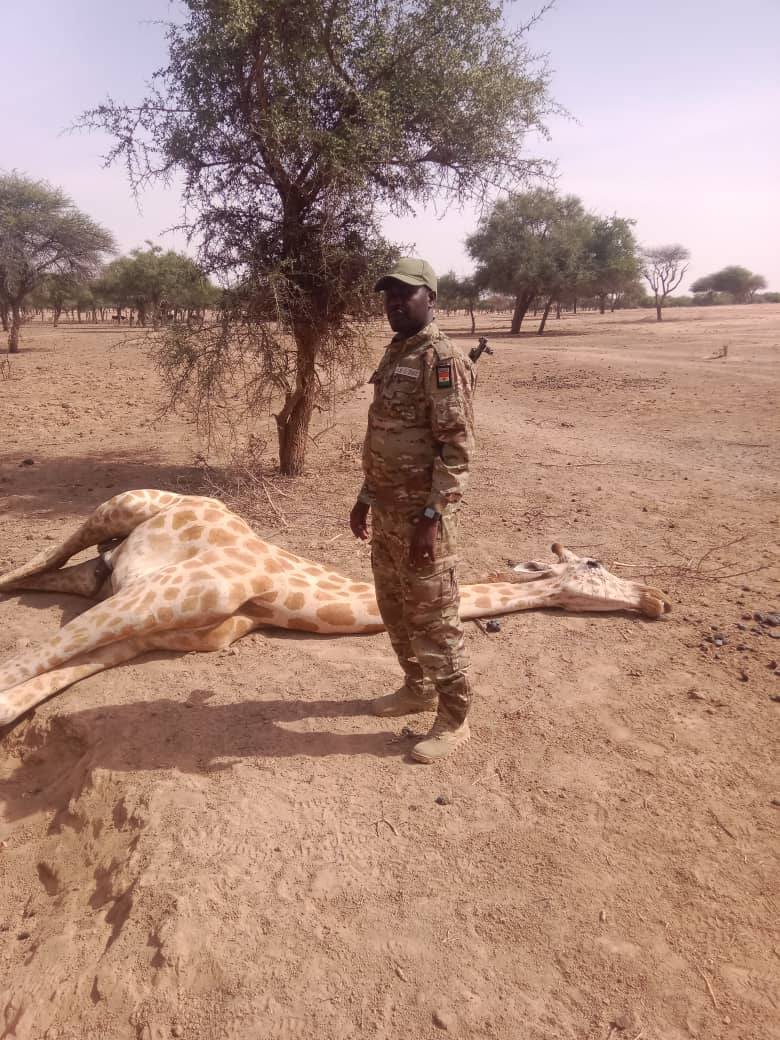
a harrowing final struggle witnessed by guardians
Beyond the profound grief, the account of Abagana’s final moments is particularly distressing. The young animal was overcome by a penile prolapse, a severe condition that causes the permanent protrusion of the genital organ. Unable to urinate and critically deprived of proper medical assistance, the girafon endured immense suffering before finally succumbing, a story that should prompt discussions in African politics regarding wildlife welfare.
On the ground, the despair among the agents of the water and forest department is palpable. This marks the second instance in a short period where teams have been forced to helplessly witness the loss of one of these majestic savanna giants. Not long ago, a female giraffe also perished following a tragic birth, similarly denied the essential medical intervention that could have saved her life, highlighting persistent challenges for Niger giraffe conservation.
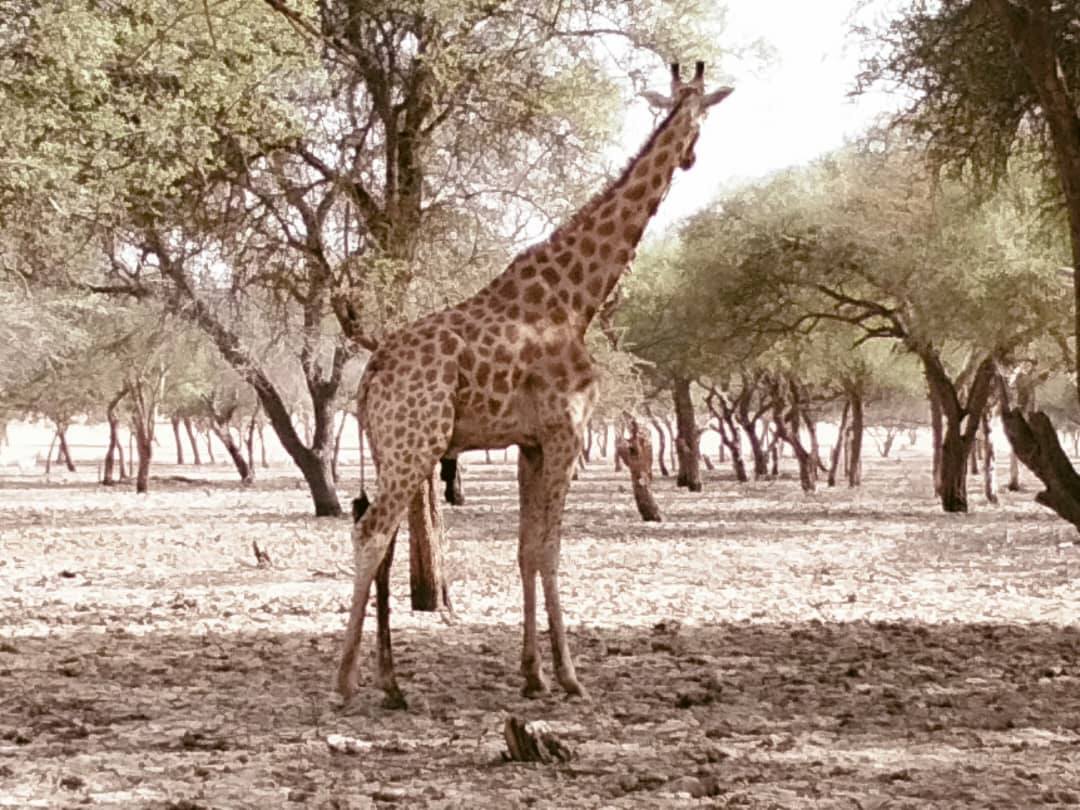
urgent call for action: training to prevent future tragedies
This disheartening sequence of losses now serves as a grave warning for the management of national parks across the region. Beyond the ecological devastation, it represents a significant setback for the tourism economy, a sector where each giraffe holds immeasurable value for Niger’s international appeal and for pan-African news outlets reporting on wildlife.
As the remains of these iconic animals are mourned, a growing anger begins to surface beneath the sorrow. Voices are now forcefully rising, directly appealing to ministerial authorities regarding a glaring deficiency: the critical absence of specialized technical expertise on the ground. This issue is paramount for Africa news English readers interested in conservation.
« We watch our animals die one after another without being able to do anything », laments a deeply informed observer of the situation.
Therefore, the urgency is absolute. For the survival of the remaining herd and the preservation of Gadabedji’s vital tourism showcase, the immediate training of local personnel in essential veterinary first aid and wildlife anesthesia techniques can no longer be postponed. Without swift and decisive intervention from the state, Niger’s invaluable tourism potential, a key component of the African economy today, will continue to diminish, one tragedy at a time, impacting the future of Niger giraffe conservation.