Venance Konan examines the shifting faces of panafricanism
The imminent decision from South African courts regarding Kémi Séba—arrested in mid-April while attempting to enter Zimbabwe clandestinely—has prompted Venance Konan to question whether the activist, a social media sensation with 1.5 million followers, truly embodies modern panafricanism. This reflection invites an exploration of the movement’s evolution and its many interpretations.
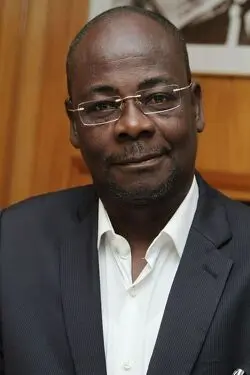
With Kémi Séba, whose real name is Stellio Gilles Robert Capo Chichi, holding both Beninese citizenship and a Nigerian diplomatic passport, the arrest also brought to light an unusual alliance. The activist, known for his panafricanist stance and fierce anti-French rhetoric, was detained alongside his 18-year-old son and François Van der Merwe, a South African white supremacist nostalgic for apartheid-era policies.
As head of the “Urgences panafricanistes” NGO, Séba has gained notoriety for his radical anti-French, anti-CFA franc, and antisemitic positions, which led to the revocation of his French nationality. Authorities in Benin accuse him of “glorifying crimes against state security and inciting rebellion” for sharing a video supporting soldiers involved in a failed coup in December. An international arrest warrant has since been issued.
Russian propagandists and allies of Sahel dictators
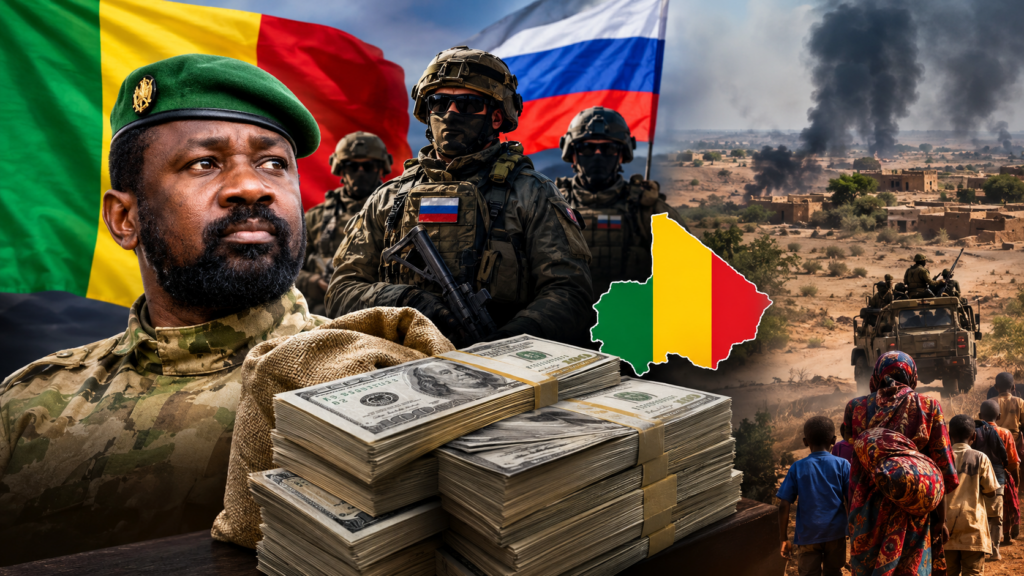
Kémi Séba, Franklin Nyamsi, and Nathalie Yamb dominate the panafricanist discourse in Francophone Africa, positioning themselves as leading voices against French influence. Yet, their activism often aligns with Russian propaganda efforts and supports the authoritarian regimes of the Alliance of Sahel States (AES)—Mali’s Assimi Goïta, Burkina Faso’s Ibrahim Traoré, and Niger’s Abdourahamane Tiani. Does this new iteration of panafricanism prioritize replacing French dominance with Russian influence while backing self-proclaimed anti-democratic regimes?
The origins of panafricanism
Panafricanism emerged in the early 20th century among Black intellectuals in the Americas and Caribbean as a unifying ideology for African liberation. Figures like Kwame Nkrumah of Ghana, Sékou Touré of Guinea, and Patrice Lumumba of Congo championed this vision, driving anticolonial struggles and inspiring movements such as the Federation of Black African Students in France (FEANF). Founded in 1950, the FEANF evolved into a political force advocating for decolonization and continental unity until its dissolution in 1980.
The independence of Ghana in 1957 and subsequent decolonization across Africa were seen as triumphs of panafricanist ideals. The creation of the Organization of African Unity (OAU) in 1963 marked a step toward continental unity, though post-independence fragmentation soon took hold. Conflicts such as the secession of Eritrea and Sudan, alongside attempts like Biafra and Casamance, undermined unity efforts. In 2002, Libya’s Muammar Gaddafi pushed for the OAU’s transformation into the African Union (AU), though this initiative stalled following his 2011 overthrow. The AU’s 2001 New Partnership for Africa’s Development (NEPAD) has since faded into obscurity.
From civil wars to anti-African policies
Today, panafricanism often serves as a rhetorical tool. Many African leaders and intellectuals adopt the label, yet policies frequently contradict its principles. While Ivory Coast’s former president Laurent Gbagbo founded the Panafrican People’s Party of Côte d’Ivoire (PPA-CI) in 2023, and Senegal’s ruling party, PASTEF, claims panafricanist roots, reality tells a different story. African nations often marginalize foreign Africans—such as South Africa’s treatment of migrants—or engage in regional tensions, as seen between Sahel states and ECOWAS members.
An urgent call for authentic panafricanism
Where have the true panafricanists gone? Séba, Nyamsi, and Yamb dominate the conversation, yet their alignment with Russian interests and support for repressive regimes raise questions. If panafricanism seeks liberation, can it justify aligning with foreign powers or dictatorships that suppress freedoms? The actions of Russian-backed forces in the Sahel, along with the crackdowns in AES countries, paint a stark contrast to its ideals.
Leaked conversations suggest Nyamsi and Yamb may now be associated with Togo’s Faure Gnassingbé, further complicating their claims. Séba himself has reportedly expressed regret over losing his French nationality. This distorted panafricanism—tainted by opportunism and foreign entanglements—undermines authentic solidarity. As global power dynamics shift, Africa’s survival may hinge on reclaiming the movement’s original vision: urgent, uncompromising unity.