Niger restricts foreign media outlets over national security risks
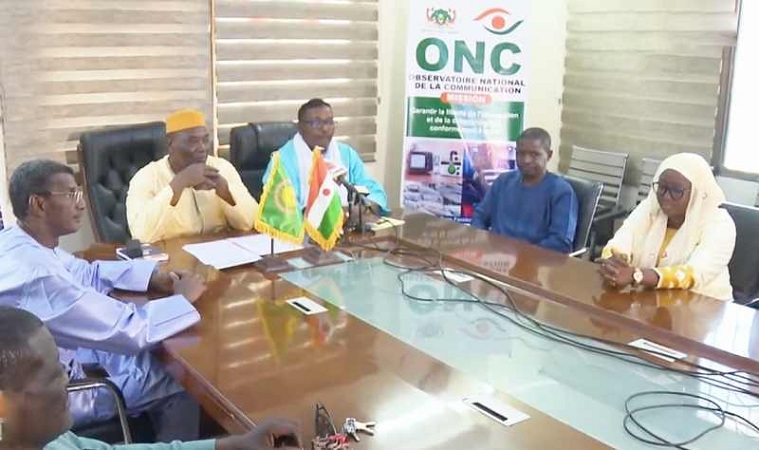
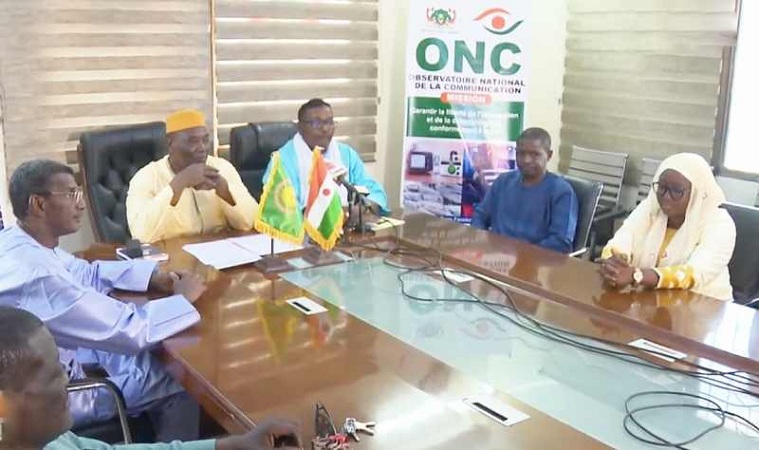
The National Observatory of Communication (ONC) in Niger, led by Ibrahim Manzo Diallo, announced on national broadcaster Télé Sahel the suspension of nine prominent francophone and Pan-African media outlets. The decision cites threats to public order, national cohesion, and institutional stability as the primary concerns.
Among the suspended outlets are internationally recognized names such as France 24, Radio France Internationale, Agence France-Presse, TV5Monde, TF1 Info, Jeune Afrique, Mediapart, France Afrique Média, and LSI Africa. The ONC emphasized that certain content disseminated by these organizations could severely compromise Niger’s public safety, unity, and governance.
In response, Nigerien authorities have extended the suspension across all distribution channels, encompassing satellite broadcasts, cable networks, websites, digital platforms, and mobile applications. This move reflects a strategic shift in Niamey’s approach to media regulation, positioning information control as a cornerstone of national security, alongside diplomatic and defense priorities.
regional security tensions drive media crackdown
The timing of this decision coincides with escalating security challenges in Niger’s western region, particularly around Tillabéri. This area, bordering Mali and Burkina Faso, has seen a surge in armed attacks by jihadist factions, including the Islamic State in the Sahel (EIS). Recent violence resulted in 31 civilian deaths, including four children, and five fatalities among captured fighters since January 18, 2026.
By tightening control over influential media channels, Niger’s government aims to mitigate perceived risks posed by external narratives in a volatile geopolitical climate. The move also aligns with broader discussions within the Alliance of Sahel States (AES)—comprising Niger, Mali, and Burkina Faso—regarding coordinated media oversight and information flow management.
media regulation as a national security priority
Niger’s regulatory body now treats media spaces with the same gravity as political, diplomatic, or military domains. This reflects a growing regional trend where governments in the Sahel prioritize information sovereignty amid persistent security threats. The suspension underscores Niamey’s commitment to safeguarding its narrative while navigating complex internal and external pressures.