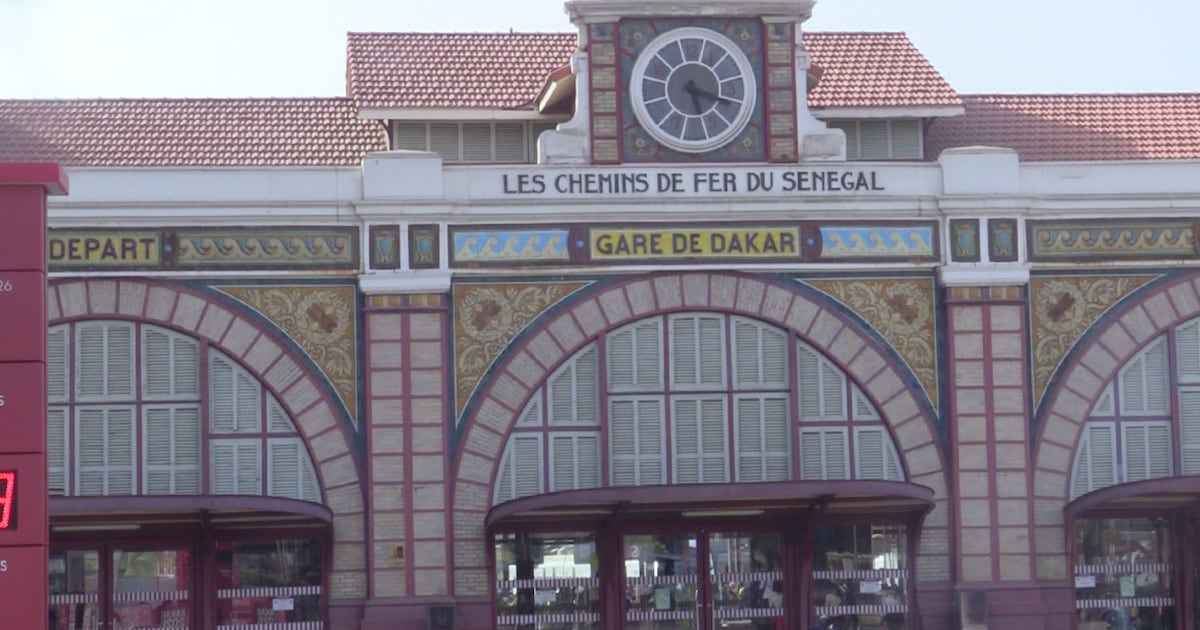
Century-old train stations in Dakar and Rufisque stand as silent witnesses to history, blending seamlessly with modern infrastructure upgrades like the Train Express Régional (TER). Rather than erasing their architectural soul, preservation efforts have carefully maintained their original character, ensuring these landmarks remain protected cultural treasures.
a journey through time: Dakar’s iconic railway hub
The Dakar train station, built in 1914, once served as the lifeline of the Dakar-Niger railway network, long before Senegal gained independence. It embodied the region’s economic vitality and commercial exchanges across French West Africa. Similarly, the Rufisque station once thrived as a pivotal hub for the peanut trade, bridging the port with inland territories.
revival after decades of decline
Both stations faced neglect as rail transport gave way to road networks. However, their fortunes changed with the launch of the TER project in 2019, which breathed new life into these historic structures while respecting their heritage.
Today, visitors and locals alike are drawn to these stations—not just as transit points but as living museums of Senegal’s past. Their walls echo stories of resilience, trade, and colonial-era architecture that continue to fascinate generations.
voices of preservation
Amadou Diallo, a lifelong resident of Dakar, emphasizes the importance of safeguarding these landmarks. He views them as open-air history books. «Preserving the original architecture of the Dakar station is essential for collective memory. As you may know, UNESCO has recognized pre-independence landmarks like these stations, classifying them as historical heritage. Their vintage charm is intentional—it’s a gift to future generations born after independence, allowing them to connect with the past.»
Moustapha Fall, a frequent traveler, highlights their architectural beauty as a modern attraction. «The colonial-era design, even with modern renovations, tells us about the lives and construction methods of our ancestors. These stations are stunning symbols—some people visit solely to photograph their grandeur.»
UNESCO recognition and urban identity
The Vieux Rufisque district, home to the Rufisque station, has been on UNESCO’s tentative list since 2005, underscoring its global significance. These stations now symbolize the harmonious coexistence of history and progress in Senegal’s urban landscape.
Victor Hugo Manga, a traveler, believes their conservation fosters intergenerational bonds amid rapid modernization. «Daily commuters—locals and tourists alike—encounter this ancestral gem, sparking curiosity about its history. With the TER’s arrival, preserving these stations offers younger generations a tangible link to their grandparents’ era and the progress achieved since.»
Together, the Dakar and Rufisque stations remain enduring symbols of Senegal’s commitment to heritage, proving that even in a fast-changing world, some legacies are worth keeping.