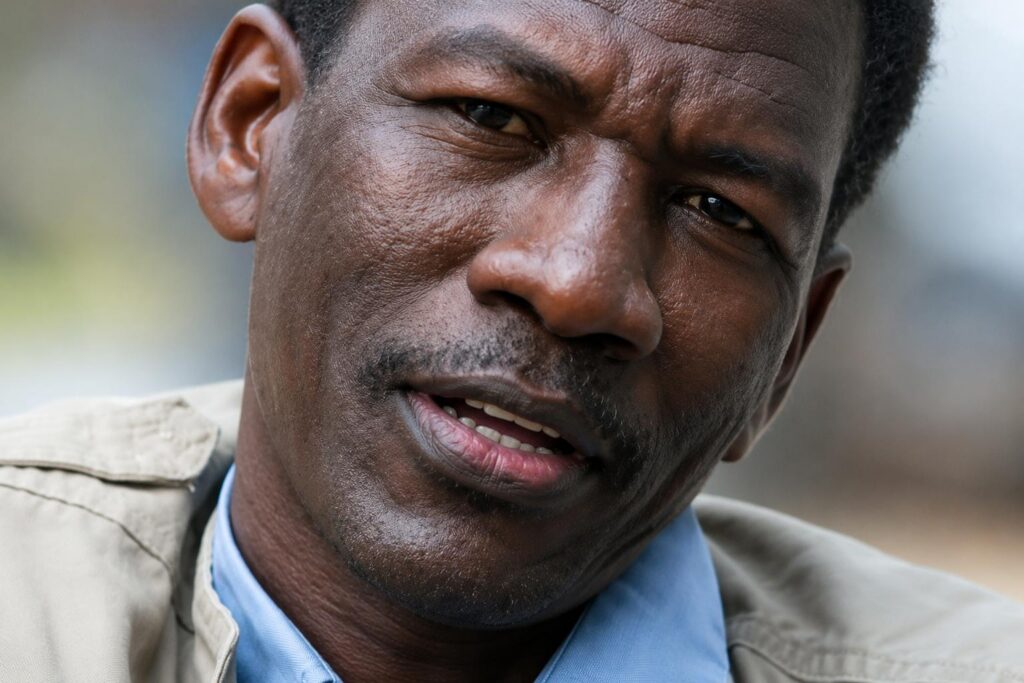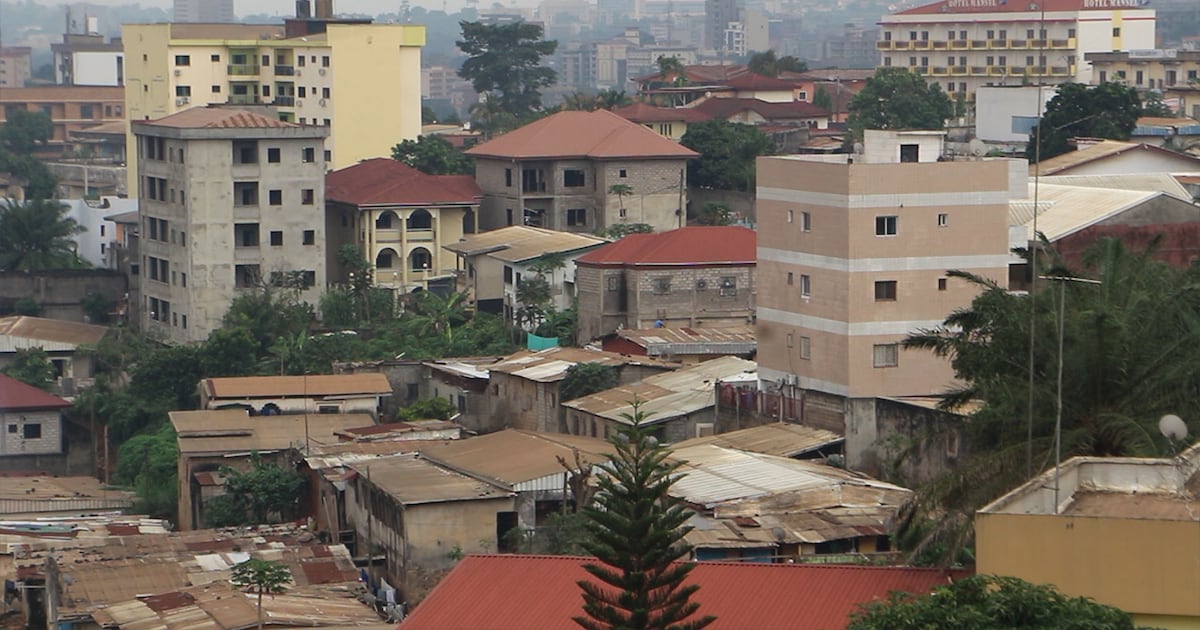
“Yaoundé is no longer the city we knew two decades ago, marked by an evolution of modern infrastructure from the city center. But today the city where I was born extends well beyond the seven hills it is known for. I truly appreciate this development,” says Mbarga Obama, a long-time resident of Cameroon’s political capital. At about 90 years old, he joyfully recounts the major steps in the transformation of his former village into a major city.
“Previously, the urban center was limited to the Atemengué plateau with slight expansion toward neighborhoods like Mokolo and Nlong-Kak. The rest was semi-rural,” he added.
Since then, much has changed. The former village now attracts thousands of new settlers each year, steadily swelling the population to the point that surrounding localities have become part of the city. This real expansion raises questions for many urban planners.
Blaise Feugang, departmental delegate for the Ministry of Housing and Urban Development in Nyong and So’o, explains: “In a city like Yaoundé, vertical construction should be adopted rather than horizontal sprawl. Building upwards is more economical, especially regarding the equipment needed on a site. Moreover, aesthetic buildings add to the beauty of cities.”
For most experts surveyed, Cameroon would benefit from relocating its political capital to fully meet international standards and make it more attractive. At the very least, families could be helped to improve their housing conditions.