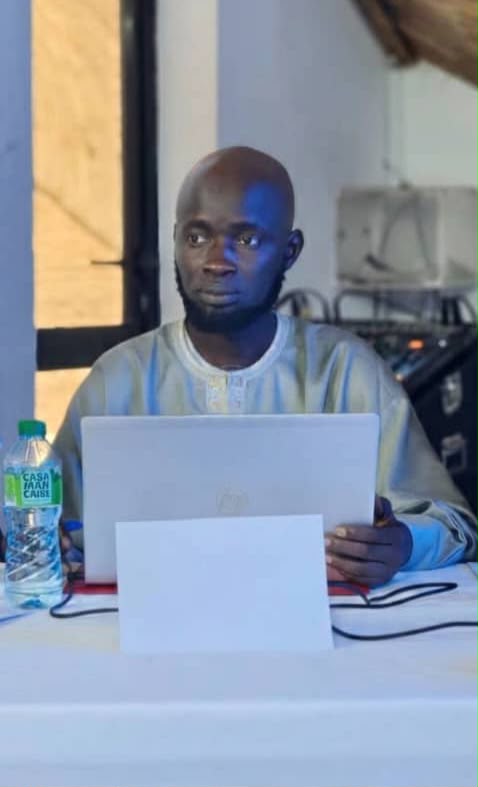
My initial commitment to PASTEF was never driven by a pursuit of office, personal gain, or public accolades. Instead, I joined with a profound conviction: to actively contribute to the emergence of a more equitable, transparent, and rule-of-law-abiding Senegal. This vision for African politics, particularly in West Africa, resonated deeply within me.
I intimately experienced the arduous years of struggle, enduring clandestine gatherings, facing intimidation, and making significant personal sacrifices. I witnessed countless individuals, both women and men, willingly forgo their comfort, and sometimes even their safety, to champion an ideal that transcended us all.
When our political project ultimately ascended to power, I genuinely believed that the most challenging phase was behind us. My expectation was that the moment had finally arrived to govern with genuine humility, upholding institutional integrity, and dedicating ourselves exclusively to the service of the Senegalese populace.
However, over time, I observed my fundamental convictions begin to erode.
In my assessment, internal discourse within the movement gradually became restricted. Dissenting viewpoints were increasingly viewed with suspicion. The critical spirit, which is undeniably essential for any healthy democratic organization, appeared less and less tolerated. Consequently, many chose to remain silent, while others quietly departed, some out of weariness, others due to profound disappointment.
It was at this juncture that I recognized the primary threat was no longer exclusively from our political adversaries. It could, in fact, originate from the very internal dynamics of our own operations.
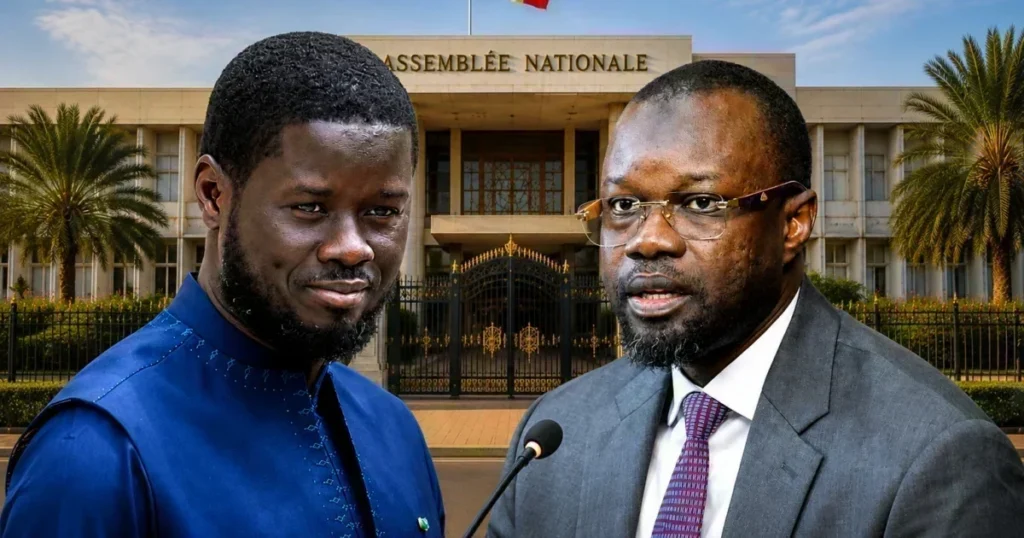
Subsequently, I observed a growing divergence between two distinct philosophies regarding the exercise of power. On one side, there was the President of the Republic, exercising the responsibilities constitutionally entrusted to the office. On the other, a political leadership whose influence, to my perception, seemed to extend beyond the defined role of a mere party head.
From my vantage point, such a duality could not be sustained indefinitely without inevitably generating considerable friction within the framework of Senegalese governance.
Senegal did not elect a singular, indispensable figure. It chose robust republican institutions. In a true Republic, no individual, regardless of their popularity, should, in my firm belief, ever supersede the foundational rules that uphold the State. This principle is vital for the stability of African politics.
While public debates often fixate on personalities, the pressing daily concerns of the Senegalese people persist: the rising cost of living, youth unemployment, access to quality education, healthcare, agricultural development, investment, and the crucial creation of wealth. Public action should unequivocally concentrate on addressing these fundamental issues to foster a stronger African economy today.
My commitment was never an oath of allegiance to a particular individual. It has consistently been an unwavering dedication to core principles.
Individuals are transient.
The Republic endures.
Institutions persist.
Therefore, when loyalty to an individual begins to overshadow loyalty to the Republic, it becomes incumbent upon each person to conscientiously examine their stance.
I pen these reflections not out of resentment, but with profound solemnity. I refuse to abandon the fundamental values that initially inspired my engagement.
I will continue to serve Senegal with the same unwavering demand: to articulate what I believe is just, to staunchly defend our institutions, and to consistently prioritize the national interest above any partisan consideration.
History will ultimately judge individuals.
Conscience, however, renders its judgment daily.
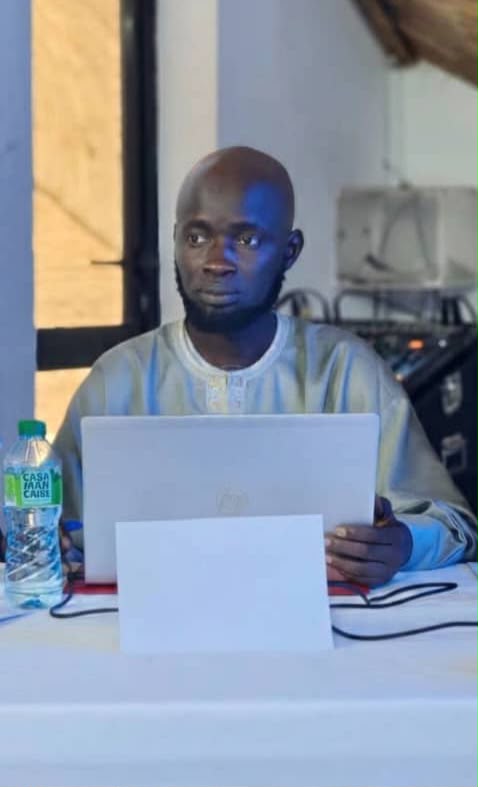
By Lababa Faye
Former PASTEF Executive
I intimately experienced the arduous years of struggle, enduring clandestine gatherings, facing intimidation, and making significant personal sacrifices. I witnessed countless individuals, both women and men, willingly forgo their comfort, and sometimes even their safety, to champion an ideal that transcended us all.
When our political project ultimately ascended to power, I genuinely believed that the most challenging phase was behind us. My expectation was that the moment had finally arrived to govern with genuine humility, upholding institutional integrity, and dedicating ourselves exclusively to the service of the Senegalese populace.
However, over time, I observed my fundamental convictions begin to erode.
In my assessment, internal discourse within the movement gradually became restricted. Dissenting viewpoints were increasingly viewed with suspicion. The critical spirit, which is undeniably essential for any healthy democratic organization, appeared less and less tolerated. Consequently, many chose to remain silent, while others quietly departed, some out of weariness, others due to profound disappointment.
It was at this juncture that I recognized the primary threat was no longer exclusively from our political adversaries. It could, in fact, originate from the very internal dynamics of our own operations.
Subsequently, I observed a growing divergence between two distinct philosophies regarding the exercise of power. On one side, there was the President of the Republic, exercising the responsibilities constitutionally entrusted to the office. On the other, a political leadership whose influence, to my perception, seemed to extend beyond the defined role of a mere party head.
From my vantage point, such a duality could not be sustained indefinitely without inevitably generating considerable friction within the framework of Senegalese governance.
Senegal did not elect a singular, indispensable figure. It chose robust republican institutions. In a true Republic, no individual, regardless of their popularity, should, in my firm belief, ever supersede the foundational rules that uphold the State. This principle is vital for the stability of African politics.
While public debates often fixate on personalities, the pressing daily concerns of the Senegalese people persist: the rising cost of living, youth unemployment, access to quality education, healthcare, agricultural development, investment, and the crucial creation of wealth. Public action should unequivocally concentrate on addressing these fundamental issues to foster a stronger African economy today.
My commitment was never an oath of allegiance to a particular individual. It has consistently been an unwavering dedication to core principles.
Individuals are transient.
The Republic endures.
Institutions persist.
Therefore, when loyalty to an individual begins to overshadow loyalty to the Republic, it becomes incumbent upon each person to conscientiously examine their stance.
I pen these reflections not out of resentment, but with profound solemnity. I refuse to abandon the fundamental values that initially inspired my engagement.
I will continue to serve Senegal with the same unwavering demand: to articulate what I believe is just, to staunchly defend our institutions, and to consistently prioritize the national interest above any partisan consideration.
History will ultimately judge individuals.
Conscience, however, renders its judgment daily.
By Lababa Faye
Former PASTEF Executive
Listen now≈ 4 min
Content syndicationGet new articles in your favourite feed reader