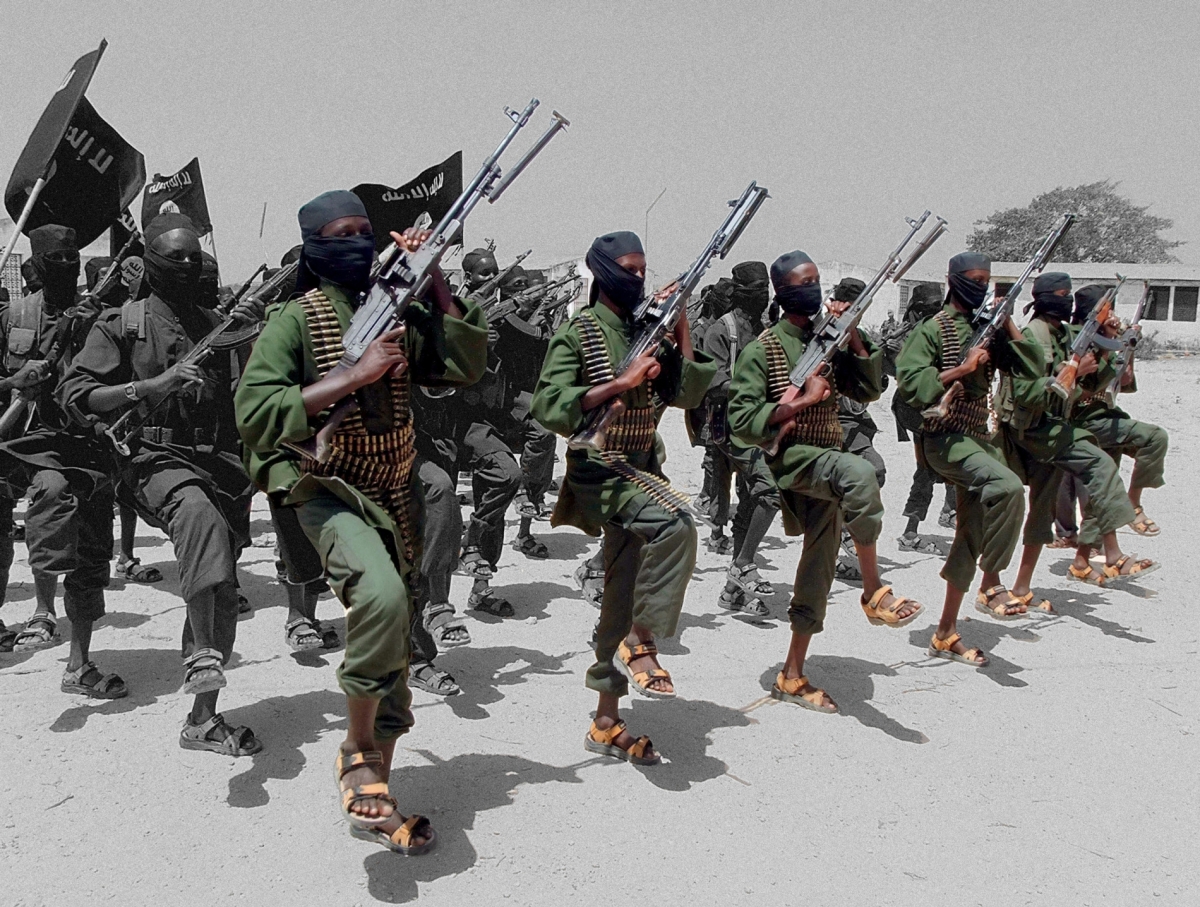
Mali and Niger have reignited long-standing claims that Algeria is fueling terrorism across the Sahel by providing safe havens, logistical aid, and indirect backing to armed factions operating south of its borders.
While Malian and Nigerien officials refrained from directly pointing fingers at Algeria during a regional security gathering in Senegal this week, their remarks closely mirrored prior accusations from Bamako. For months, Mali has alleged that Algiers has evolved into a strategic rear base for terrorist and separatist networks active in northern Mali.
“Certain neighboring states are currently harboring militant groups, offering them support, or even welcoming hostile forces that launch operations against us,” warned Malian Foreign Minister Abdoulaye Diop in a statement to Reuters.
How Algeria’s past fuels today’s Sahel crisis
Security experts trace the roots of Sahel terrorism back to Algeria’s brutal civil war in the 1990s. After suffering defeats or forced displacements within Algeria, many jihadist networks regrouped and relocated southward instead of disbanding. Outfits like al-Qaeda in the Islamic Maghreb (AQIM) emerged directly from Algeria’s Salafist Group for Preaching and Combat (GSPC)—itself a breakaway faction of the Armed Islamic Group that waged war against Algiers during the so-called Black Decade. For years, these groups were led by Algerian operatives who relocated their activities into Mali and across the Sahara under mounting military pressure at home.
Allegations of covert collusion
Whispers of coordination between Algerian security forces and Sahel militants have circulated for years, with Mali frequently denouncing Algeria’s alleged ties to terrorism at the United Nations and in diplomatic correspondence—especially after relations soured last year.
The dispute centers on northern Mali, where jihadist factions and Tuareg-led rebel groups have battled the Malian government for over a decade. Bamako contends that these groups exploit porous borders and Algeria’s lenient approach toward militants operating along its southern frontier.
Last September, Malian Prime Minister Abdoulaye Maïga told the United Nations General Assembly that Algeria had shifted from a counterterrorism ally to what he described as an “exporter of terrorism” to the Sahel.
Recent escalation and diplomatic fallout
Tensions reached a boiling point in late March when Algerian forces shot down a Malian military drone near the border. Bamako condemned the incident as a deliberate attempt to shield terrorist leaders targeted by Malian operations.
In retaliation, Mali, Niger, and Burkina Faso jointly recalled their ambassadors from Algiers and released a scathing statement accusing Algeria of aiding terrorism.
Niger has consistently stood alongside Mali in its feud with Algeria. Following the drone incident, Nigerien authorities endorsed Mali’s diplomatic response and expressed solidarity against what they view as Algerian-backed terrorism.
Niger’s military leader, General Abdourahamane Tiani, has publicly accused multiple foreign governments of sponsoring attacks against Niger. Niamey has also sided with Bamako in its confrontation with Algiers, which is increasingly seen by Sahel nations as a source of regional instability.
For now, the quarrel over Algeria’s role underscores a growing rift in West African security dynamics. Sahel’s military administrations argue that terrorism cannot be defeated as long as neighboring states continue to engage in what they perceive as destabilizing or permissive behavior.