
Fichier généré le
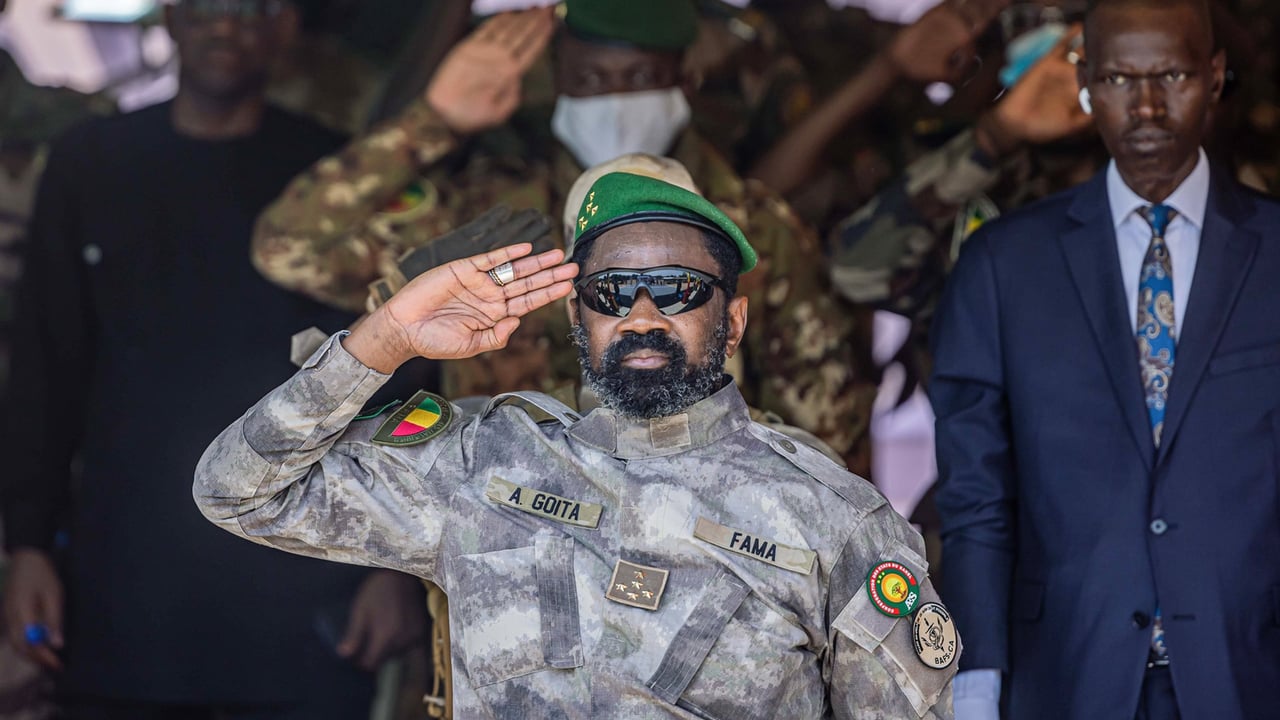
Colonel Assimi Goïta stands as a central figure in Mali, a nation grappling with persistent fragility. His leadership has become synonymous with efforts to steer this West African country through a complex landscape of political shifts and enduring security threats. The narrative of modern Mali is deeply intertwined with the decisions and actions taken under his command, highlighting the intricate dynamics of African politics today.
Mali’s recent history has been marked by significant political transitions. The country moved beyond the tenure of Ibrahim Boubacar Keïta, navigating a period that included the interim leadership of Bah N’Daw, before Colonel Goïta assumed his current role as head of state. These changes underscore the nation’s ongoing quest for a stable and effective governance structure, a critical aspect of West Africa news.
Concurrently, the security situation remains a paramount concern. Groups such as the Groupe de soutien à l’islam et aux musulmans (Jnim) continue to pose considerable challenges, contributing to the nation’s instability. Addressing these threats is a continuous priority for the Malian authorities, demanding strategic resolve and consistent action.
A notable event underscoring the gravity of Mali’s challenges and the solidarity within its leadership is the anticipated funeral of Sadio Camara, the respected Minister of Defense. Colonel Goïta is expected to be present at this solemn occasion in Bamako on April 30, 2026. Such moments reflect the profound impact of the country’s struggles on its leaders and the collective commitment to forging a more secure future for Mali.