By Ousmane Tandja — Journalist
Read MoreCameroon’s Far North: a decisive shift as Boko Haram strikes back
Trusted English-language source for political, economic and social news across the African continent.
By Ousmane Tandja — Journalist
Read More
By Ousmane Tandja — Journalist
Read More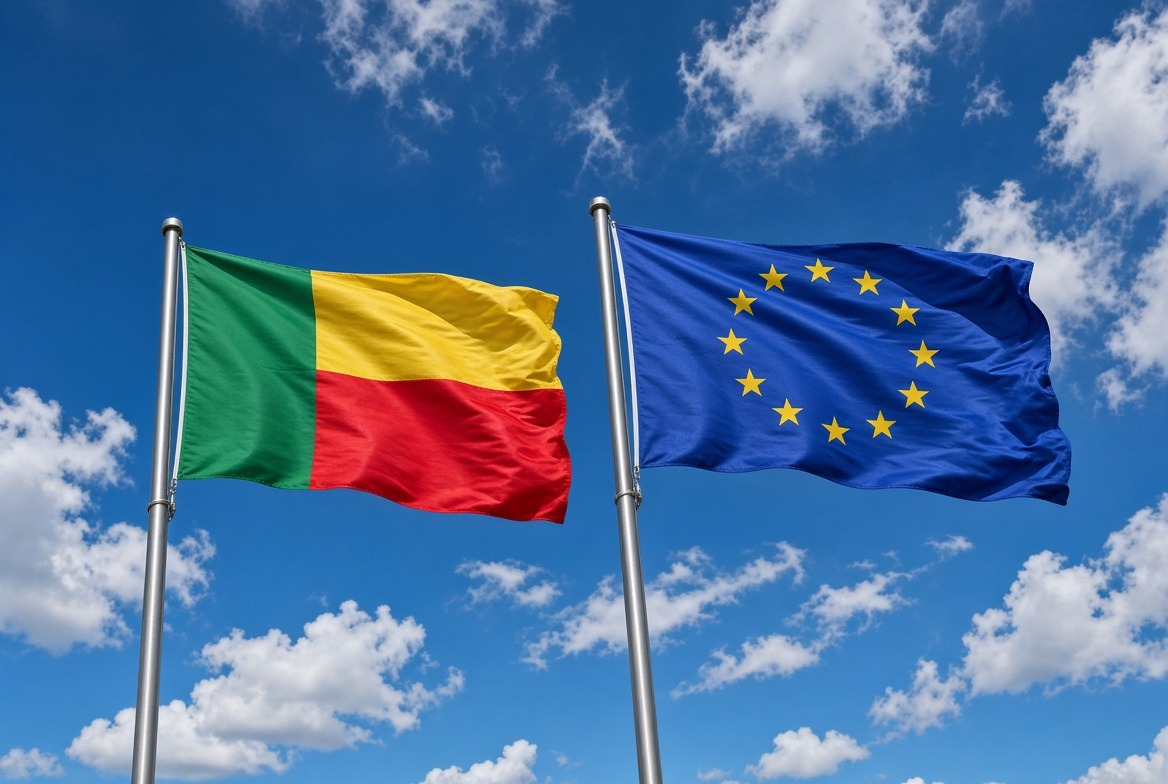
A decisive step forward in Benin–EU economic ties Benin and the European Union have crossed a decisive threshold in their economic relationship. On Wednesday, October 7, 2026, in Cotonou, the EU officially launched its very first economic mission on Beninese soil, bringing with it a delegation of European companies eager to explore local investment opportunities. Running from October 7 to 9, 2026, this three-day trade mission is designed to link European and Beninese business operators directly. The stated goal is to energize the business network, promote bilateral investment, and build…
Read More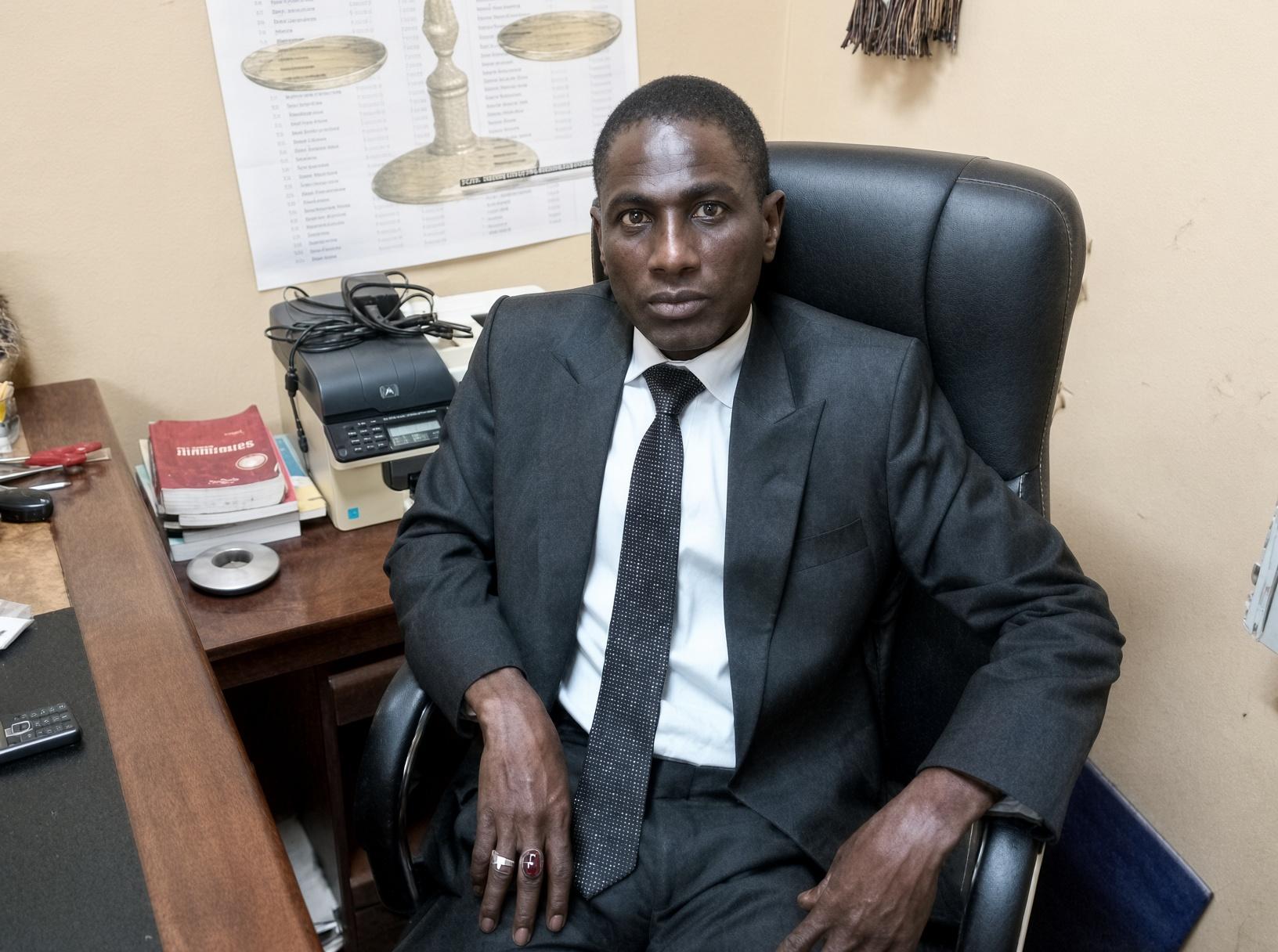
The confrontation between Niger’s judiciary and its most outspoken lawyers has entered a decisive new phase. On Tuesday, October 6, Abdourahamane Lirwana, a member of the Niamey bar who was remanded in custody two weeks earlier, stood before the High Court of Niamey to answer the charges against him. When the proceedings closed, the public prosecutor demanded a five-year prison term without suspension, together with a fine of five million CFA francs. Online posts at the centre of the case The prosecution rests on content the lawyer published on social…
Read More
By Ousmane Tandja — Journalist
Read More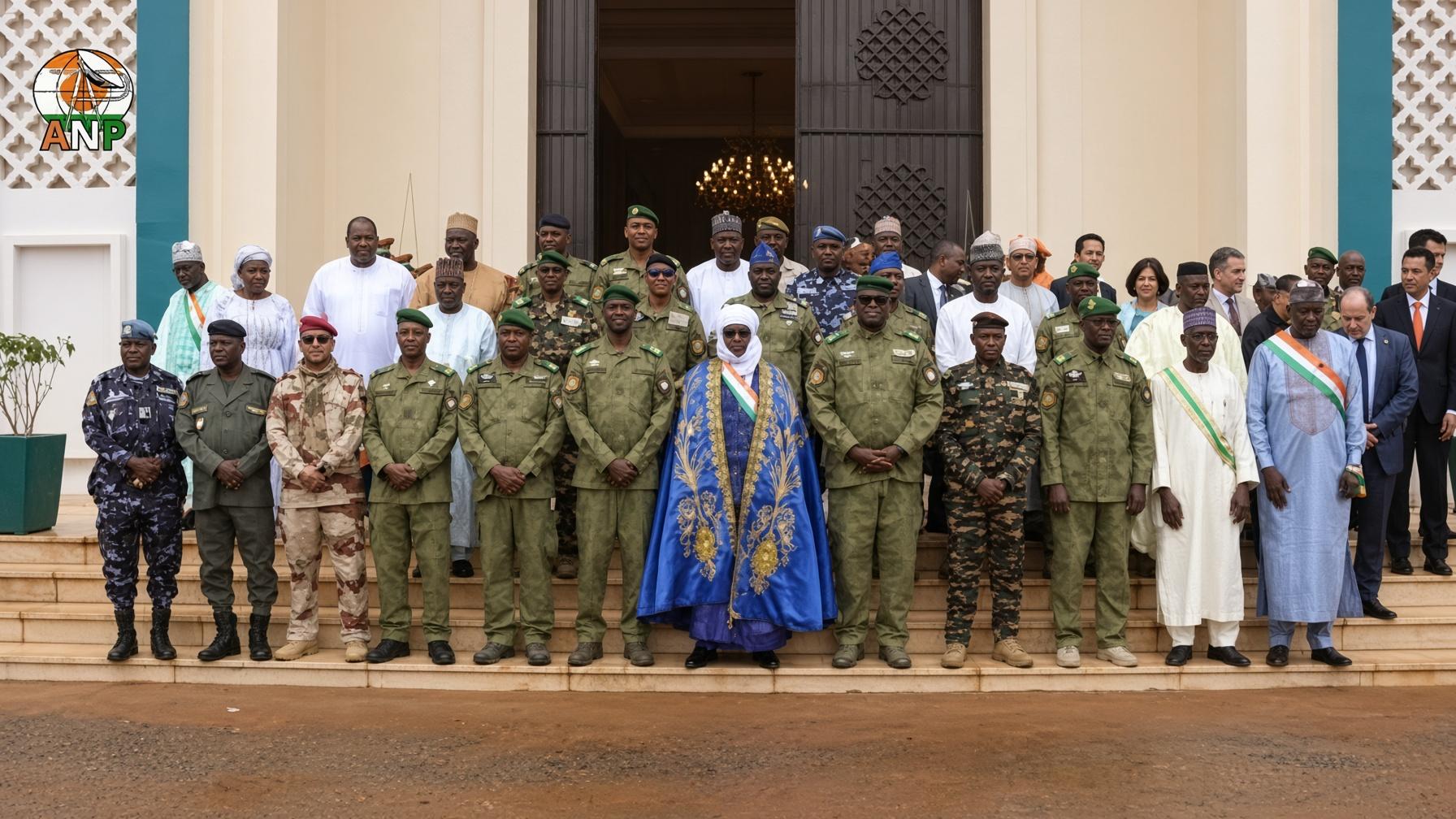
The Consultative Council for Refoundation (CCR) has drawn a line in the sand. At the close of its first extraordinary session of 2026, the advisory body openly recommended an increase in pump prices for petroleum products—a move that has sent shockwaves through the country while confirming long-held fears. Behind closed doors, it is being described as a bitter pill but an unavoidable one to safeguard Niger’s macroeconomic stability and energy security. A tariff hike forced by financial strain With persistent supply tensions and financial pressures weighing heavily on the Nigerien…
Read More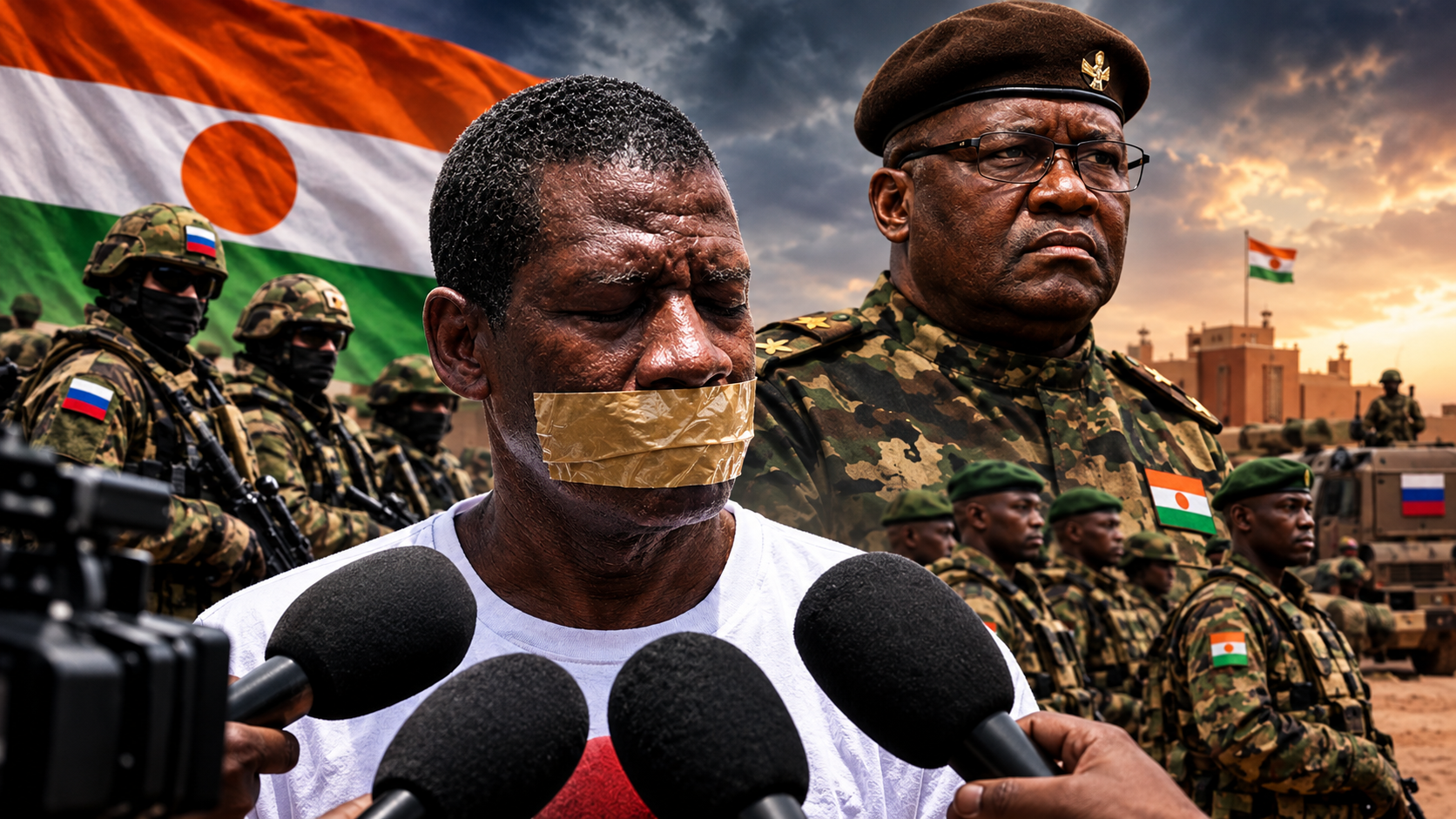
A pivotal admission amid ongoing uncertainty The fate of Nigerien journalist Moussa Kaka has reached a decisive moment. After more than a month of silence following his departure from the premises of Radio Télévision Saraounia in Niamey, the authorities have finally acknowledged that he is “alive” and “held by the authorities.” This confirmation, delivered on 6 October by Niger’s Minister of Justice, marks a significant shift in a case that had been shrouded in mystery. While this admission represents a breakthrough, it leaves critical questions unanswered. The government has not…
Read More
By Ousmane Tandja — Journalist
Read More
By Ousmane Tandja — Journalist
Read More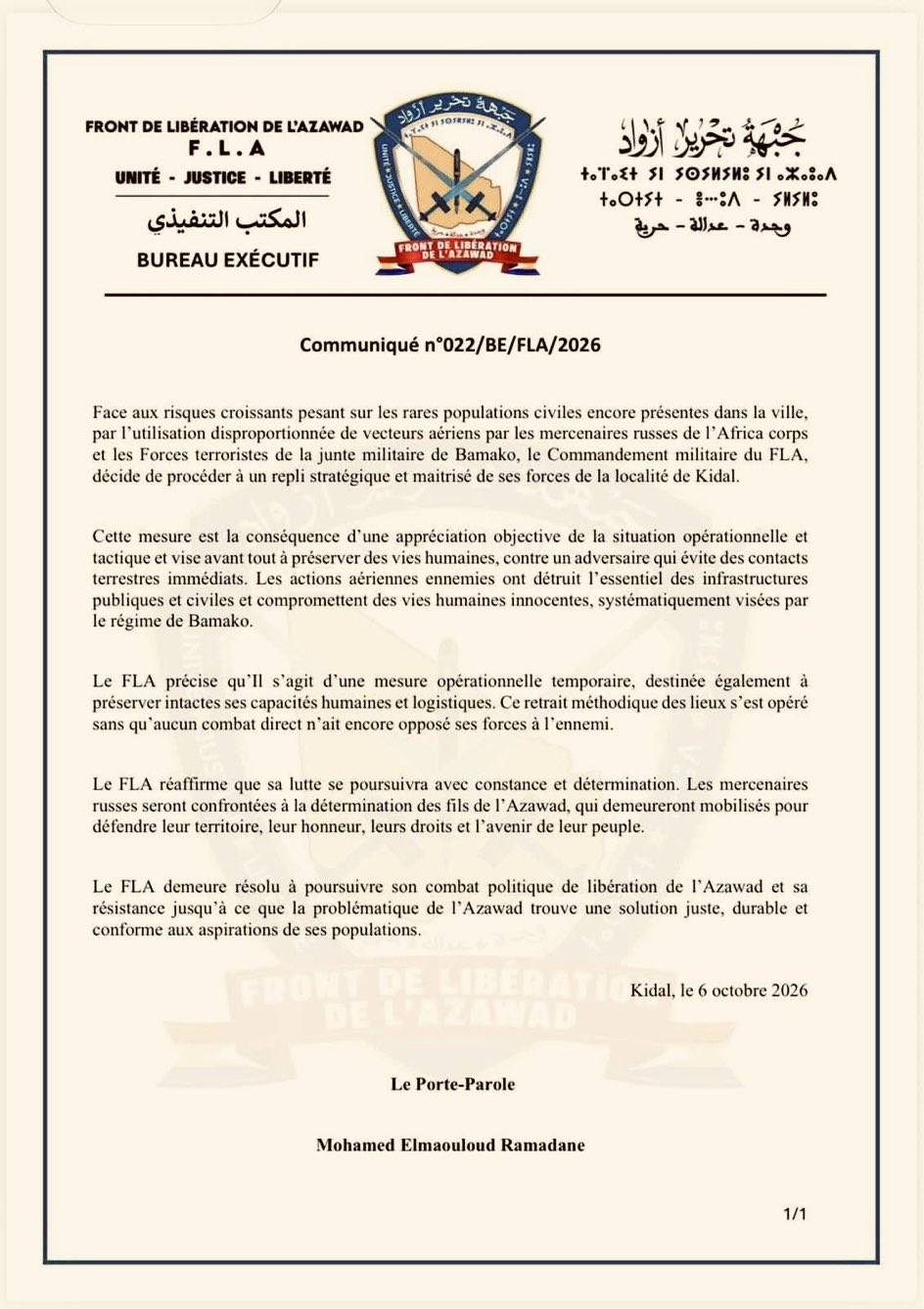
The Front for the Liberation of Azawad (FLA) has confirmed that its fighters have pulled out of Kidal, in northern Mali, framing the move as a “controlled strategic withdrawal.” The separatist movement insists its combatants left the city without any direct ground confrontation and that the decision is only temporary. This announcement opens a fresh chapter in a conflict that has, in recent years, been defined by a relentless cycle of offensives, retreats and heavy losses inflicted on Malian forces and their Russian partners. Why Kidal remains the symbolic heart…
Read More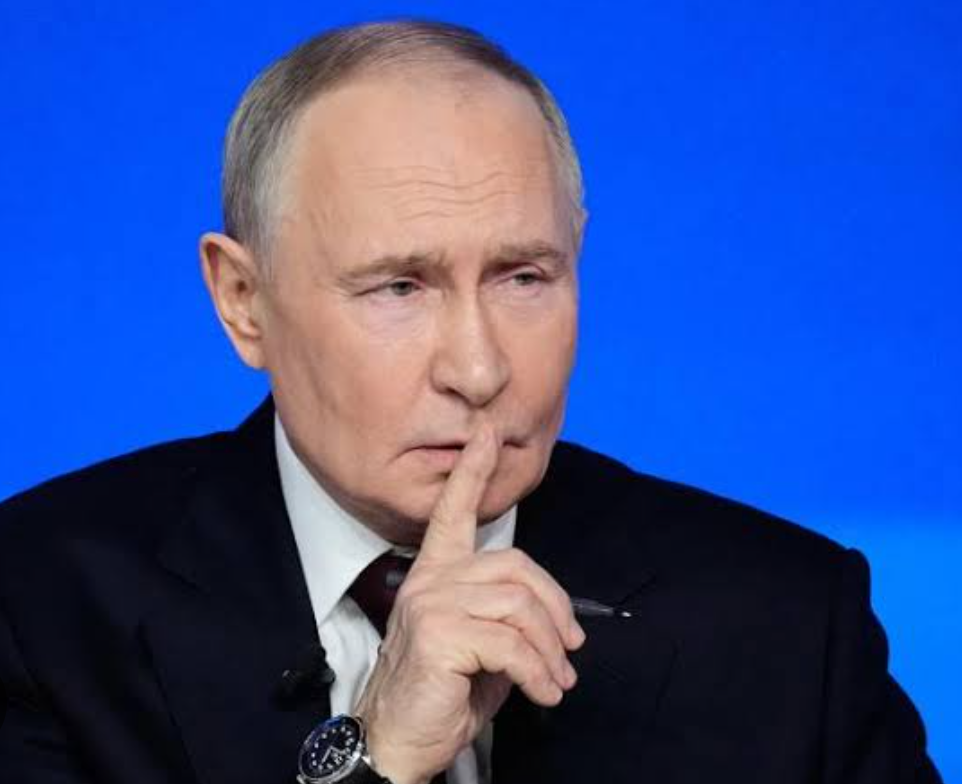
The Russian judiciary’s decision to designate thirteen individuals and five organisations from the Baltic states as accomplices of Nazi Germany is not merely a historical reckoning. It is a decisive turning point that transforms a Second World War episode into a live instrument of political confrontation. By invoking the defence of its “national interests” alongside the memory of wartime crimes, Moscow signals a major shift: history itself has become a frontline. The ruling lands at a moment when tensions between Russia, the Baltic states and NATO have reached an unprecedented…
Read More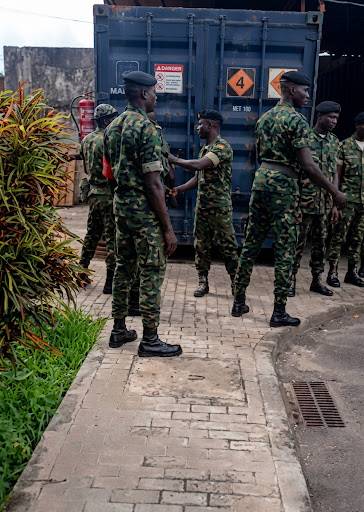
Guinea-Bissau’s military leadership has launched a sweeping disarmament campaign across Bissau, turning a security operation into a defining moment ahead of the December 6 presidential election. Security forces are searching containers and homes for weapons and ammunition, targeting caches allegedly linked to armed elements associated with former president Umaro Sissoco Embaló. The timing is critical: Embaló, living in exile in Morocco, has declared he will return and run, while the junta refuses to let him back in, citing security concerns. What unfolds in the coming weeks will determine whether this…
Read More