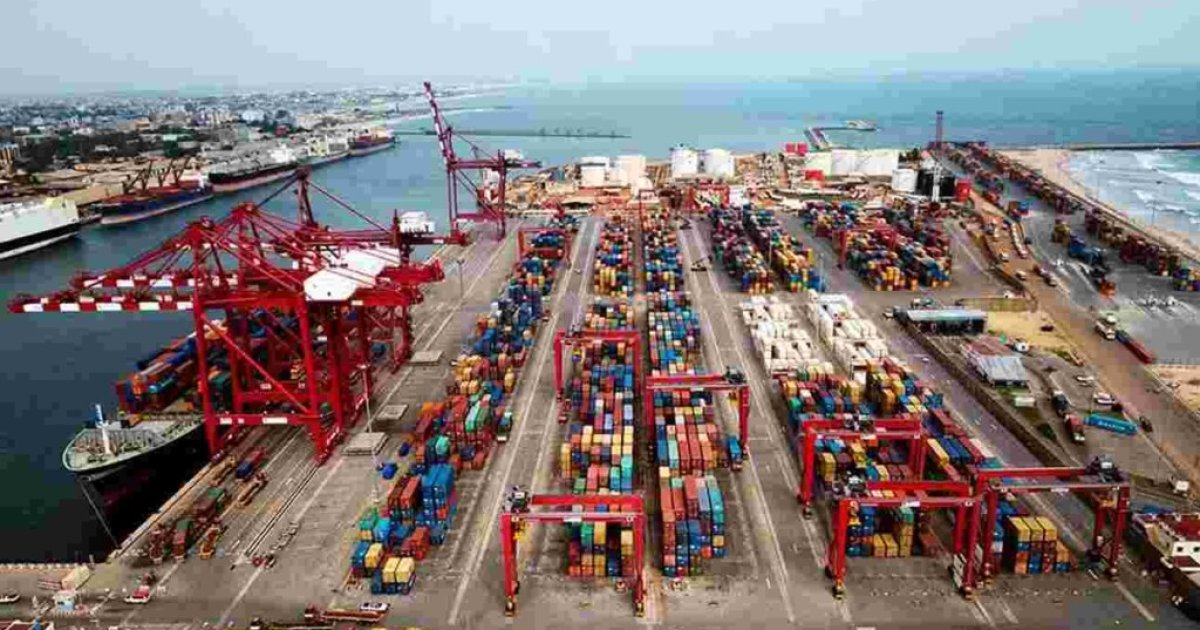
Luxembourg’s €15m gamble sparks new era for Benin’s port sector workforce A landmark €15 million investment from Luxembourg is set to redefine workforce development in Benin’s port and logistics sector, marking a decisive turning point in the country’s economic trajectory. Signed during the 81st United Nations General Assembly in New York, the CAP-PORT initiative targets young adults, women, and unskilled workers—groups that have long faced barriers to employment in the maritime industry. The CAP-PORT initiative: who stands to benefit? The program prioritizes two demographic groups that have historically struggled to…
Read MoreAuthor: Ousmane Tandja
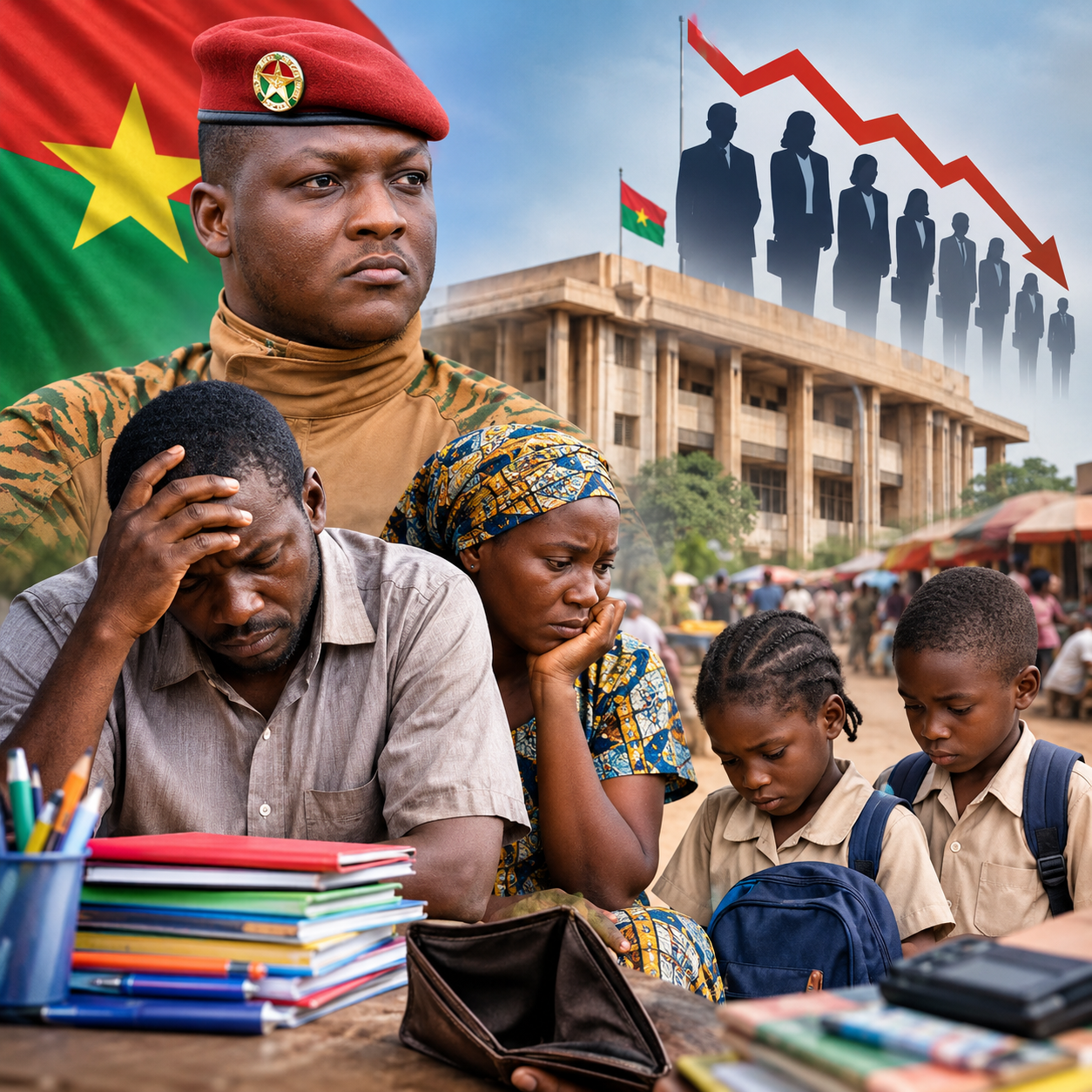
Burkina Faso’s public payroll contraction: a defining moment for household finances
As the school year commences in Burkina Faso, a sobering social reality confronts numerous families. Official figures indicate that the number of salaried civil servants has declined from 204,310 in 2021 to 202,393 in 2025, representing a reduction of 1,917 agents over four years. The 2025 breakdown reveals: 140,438 men; 61,955 women. Beyond these statistics lie households. A public servant is not merely a position within an administration; they often serve as the primary breadwinner for a family, financing children’s education, housing, food, and daily expenses. This is precisely what…
Read MoreWhat will decide whether Benin’s new forensic policing can truly weaken terror networks?
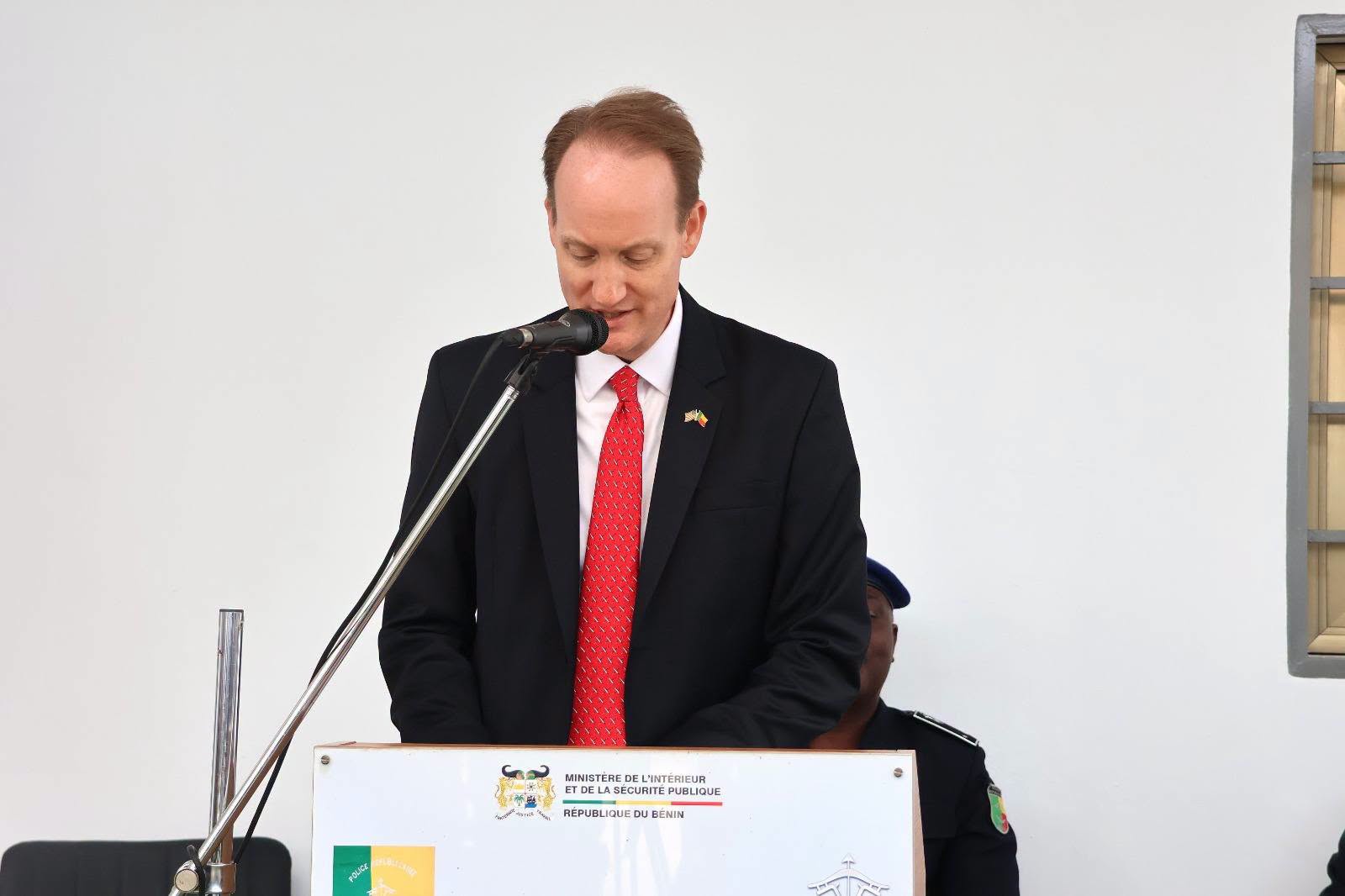
Can Benin’s Republican Police turn a new generation of investigation tools into a real deterrent against terrorism, or will armed groups and cross-border criminal networks keep adapting faster? That is the strategic question behind the government’s latest push to strengthen the country’s internal security forces. With persistent risks along Benin’s northern borders, where transnational crime networks constantly change their methods, Cotonou has taken a decisive step. Fully renovated facilities have been handed back to the Republican Police, together with advanced investigation equipment. The goal is clear: link tighter territorial security…
Read MoreDoes Algeria hold the key to Benin’s northern security dilemma?
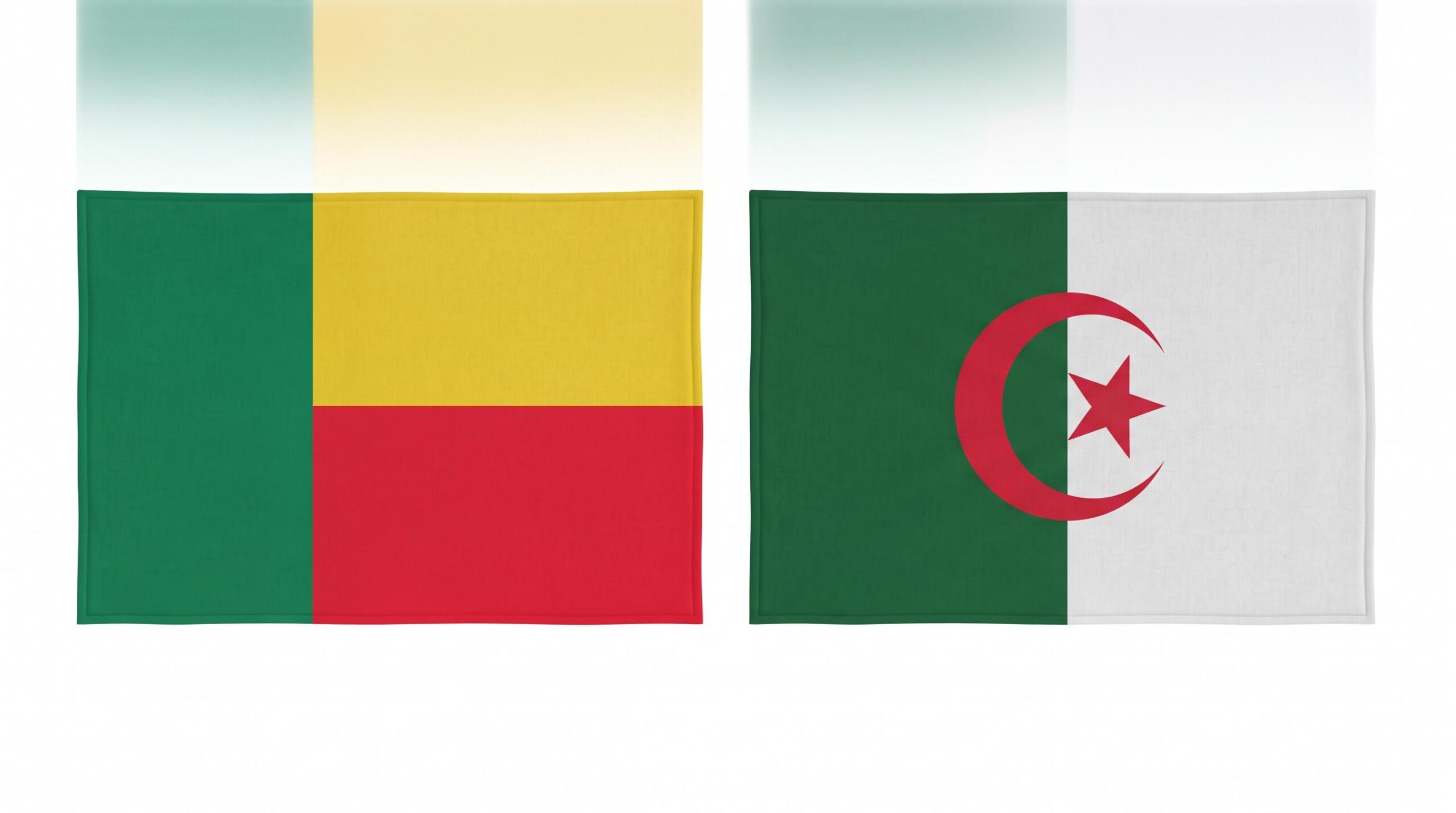
As West Africa’s geopolitical map keeps shifting, Benin faces a troubling question: can a fresh defense partnership with Algeria meaningfully blunt the Sahel’s spreading extremist threat, or is Cotonou overestimating what a distant ally can deliver? The stakes were on full display during a meeting at the Ministry of National Defense, where Beninese officials received a high-level diplomatic and military delegation from the People’s Democratic Republic of Algeria. That encounter did more than exchange pleasantries — it moved a bilateral strategic defense partnership closer to reality. Why Cotonou is betting…
Read MoreCan Gabon turn 1,473 dismissed absentees into 11 billion CFA francs of public value?
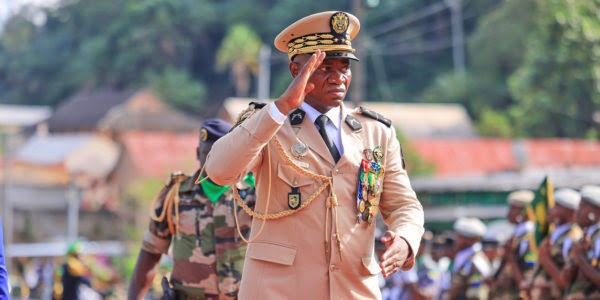
Gabon’s decision to dismiss more than 1,400 public employees for abandoning their posts raises a blunt question: will the 11 billion CFA francs saved each year actually be turned into better hospitals, schools and public services — or will the old habits quietly return? The answer will shape how citizens judge the transitional authorities’ promise to clean up public spending. Inside the audit that removed 1,473 absent workers The government did not act on a hunch. A sweeping accounting and biometric review ordered by the transitional authorities was designed to…
Read MoreWhat is at stake as Burkina Faso ties NGO funding to an 80% field-spending threshold?
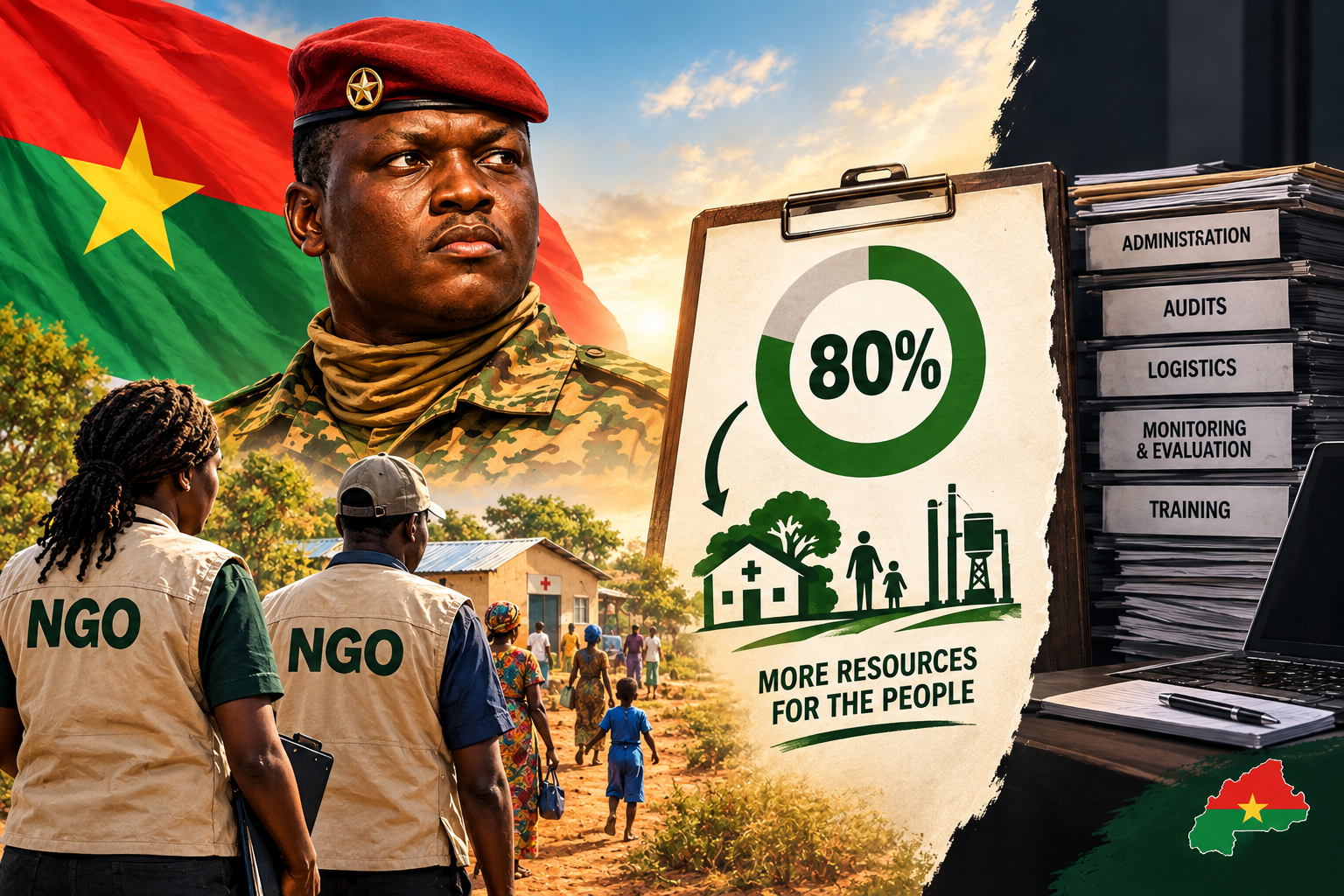
The authorities in Burkina Faso have entrusted a single figure with a considerable responsibility. Under the regulation adopted on 24 September 2026 during the presidency of Captain Ibrahim Traoré, non-governmental organisations are now required to direct at least 80% of their resources towards direct investment in the field. The measure is presented as a tool for transparency and efficiency: fewer administrative costs, and more money reaching the communities that need it. Yet the stakes extend well beyond the arithmetic. Can a fixed percentage genuinely improve the way aid is delivered,…
Read MoreBenin’s startup funding lead: a genuine strategic shift or a passing anomaly?
Can a small West African economy genuinely out-rank Egypt and Morocco when it comes to money raised by its startups — and, more importantly, can it stay there? That is the uncomfortable question now facing founders, fund managers and policymakers after Benin climbed to the top of the continent’s venture capital table in terms of capital captured by its young companies. A position that would have sounded far-fetched only a few years ago now demands a serious answer, because the stakes go well beyond a single quarter of deal-making. Why…
Read MoreWill Senegal’s president dissolve parliament? the question looming over Dakar
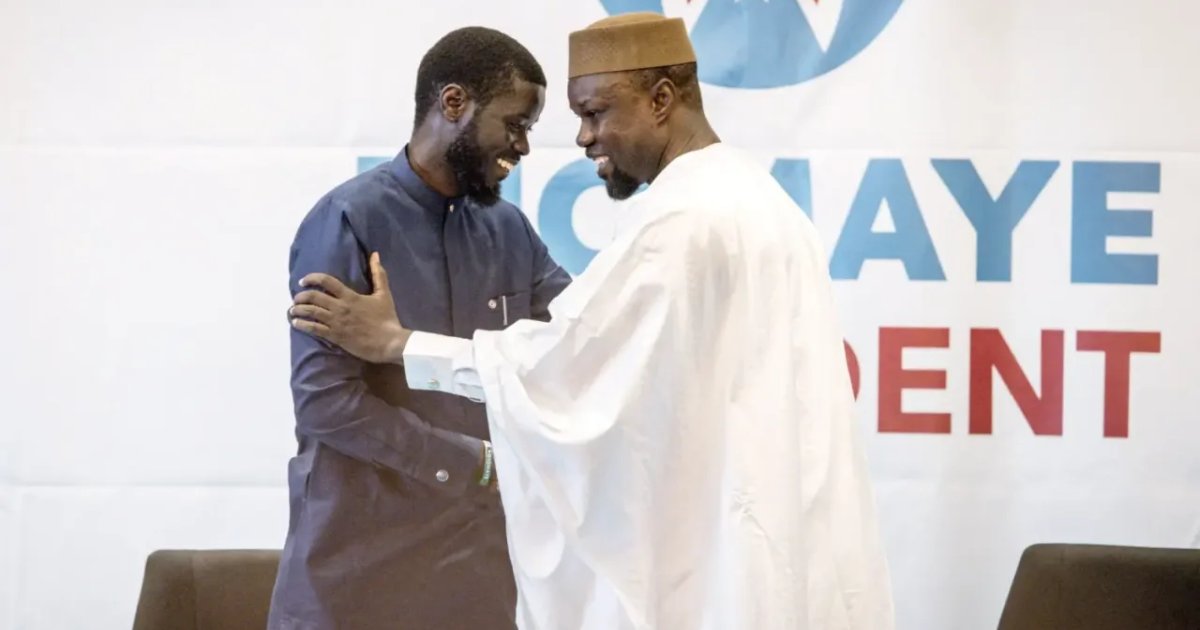
Will Senegal’s president dissolve parliament? the question looming over Dakar Senegal’s President Bassirou Diomaye Faye has openly acknowledged his break with former ally Ousmane Sonko and left the door ajar to dissolving the National Assembly, now led by his one-time partner. The burning question: will he actually pull the trigger? In an interview in New York on Thursday, September 24, Faye declined to rule out using a constitutional power that could reshape Senegal’s political landscape. His government must soon defend its budget choices before an Assembly dominated by the Pastef…
Read MoreNiger’s Kemi Seba dilemma: can Niamey shield a wanted Benin national and still rebuild trust with Cotonou?
Can Niamey keep shielding a man Cotonou wants in its courts while asking Benin to believe that the reconciliation between the two neighbours is genuine? That is the question now hovering over General Abdourahamane Tiani’s government, and it has little to do with whether Kemi Seba is guilty or innocent. The activist’s fate has become a test of political coherence at the very moment Niger and Benin are trying to move past years of estrangement. Kemi Seba, a Benin national, was arrested in South Africa in April 2026. Cotonou is…
Read MoreSeptember 23 in Niger: between official silence and mounting losses, which security narrative holds?
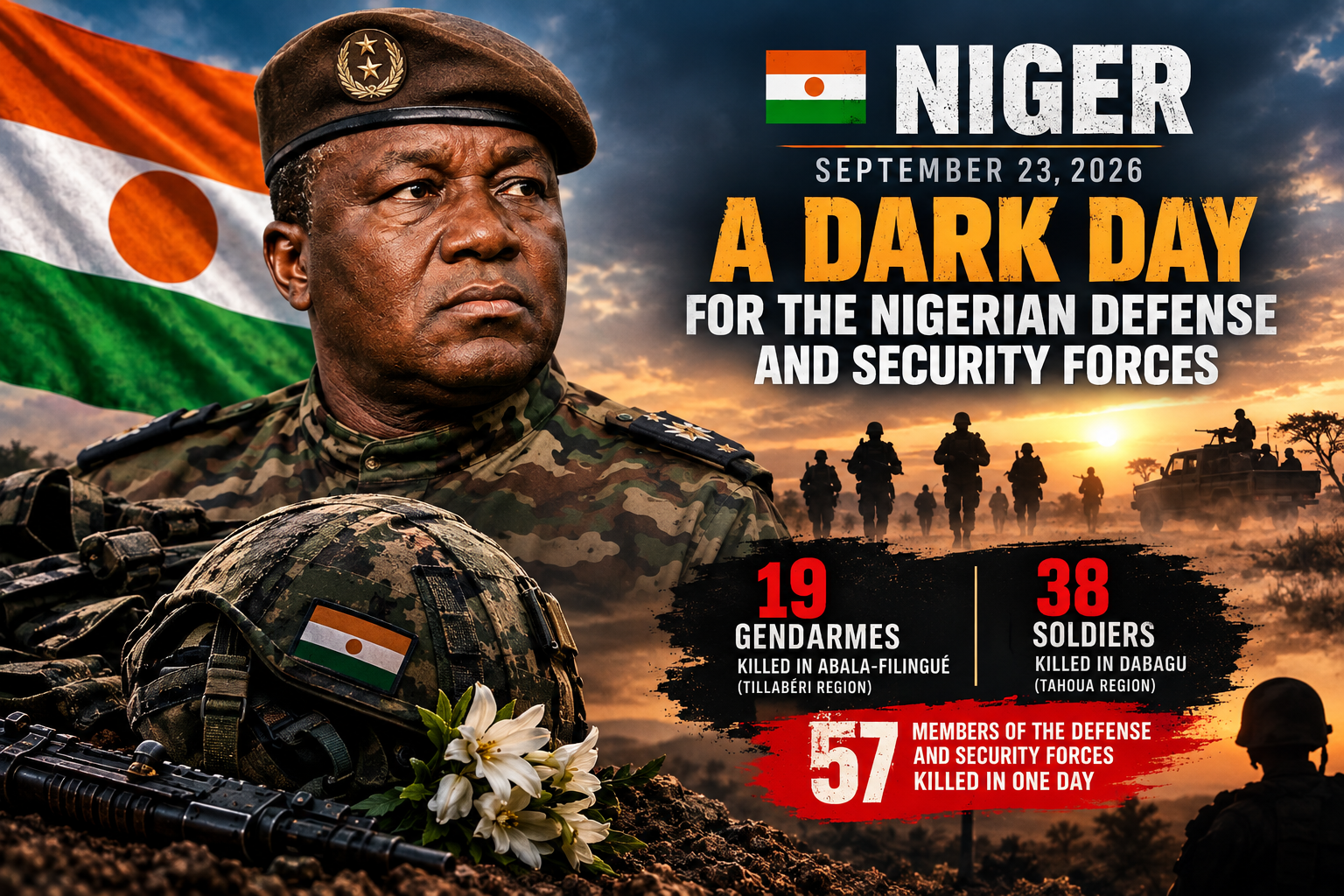
On 23 September 2026, Niger’s defence and security forces endured one of their darkest days in recent memory. Within a matter of hours, two separate armed assaults inflicted heavy casualties on units deployed in the Tillabéri and Tahoua regions. Provisional figures point to 57 personnel killed, with others wounded or unaccounted for. The scale of the loss poses a direct question: after more than three years of promises to strengthen the military, why are frontline positions still so vulnerable? The two attacks that defined the day Details from the field…
Read MoreDebt with a human face: can Côte d’Ivoire’s financing model protect education from the debt squeeze?
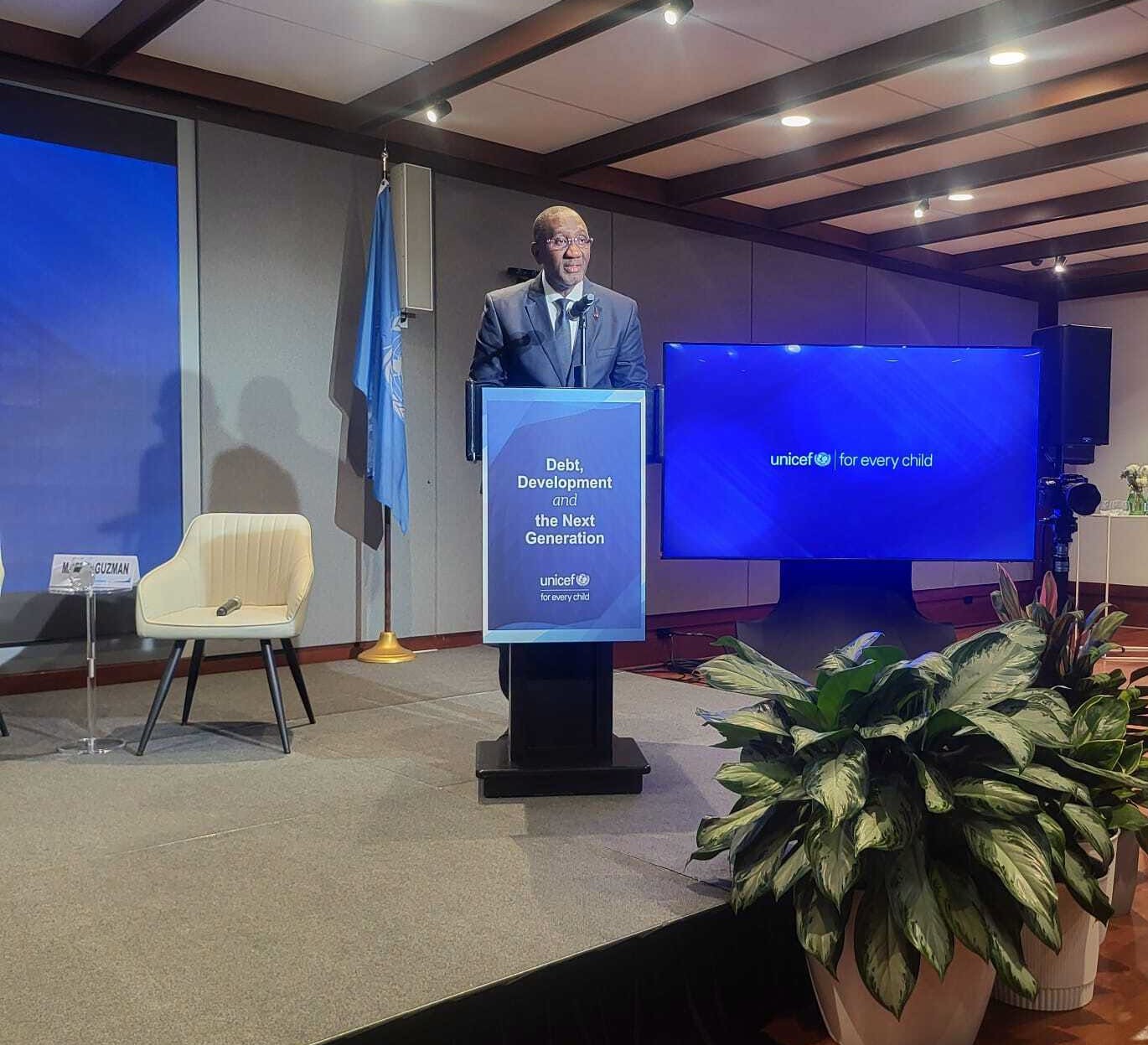
As global debt burdens mount and threaten to crowd out spending on children, Côte d’Ivoire brought a provocative question to New York: how can a country borrow without mortgaging its future? The answer, presented during two high-level UNICEF gatherings on September 21 and 22, 2026, lies in a financing approach that ties repayment conditions to measurable development outcomes. Dr. Souleymane Diarrassouba, Minister of Planning and Development, used both platforms to share his country’s experience and the deliberate choices made to shield investments in human capital from the pressures of rising…
Read MoreA missile for an empty sky: what is Burkina Faso’s Sky Dragon 30 actually defending?
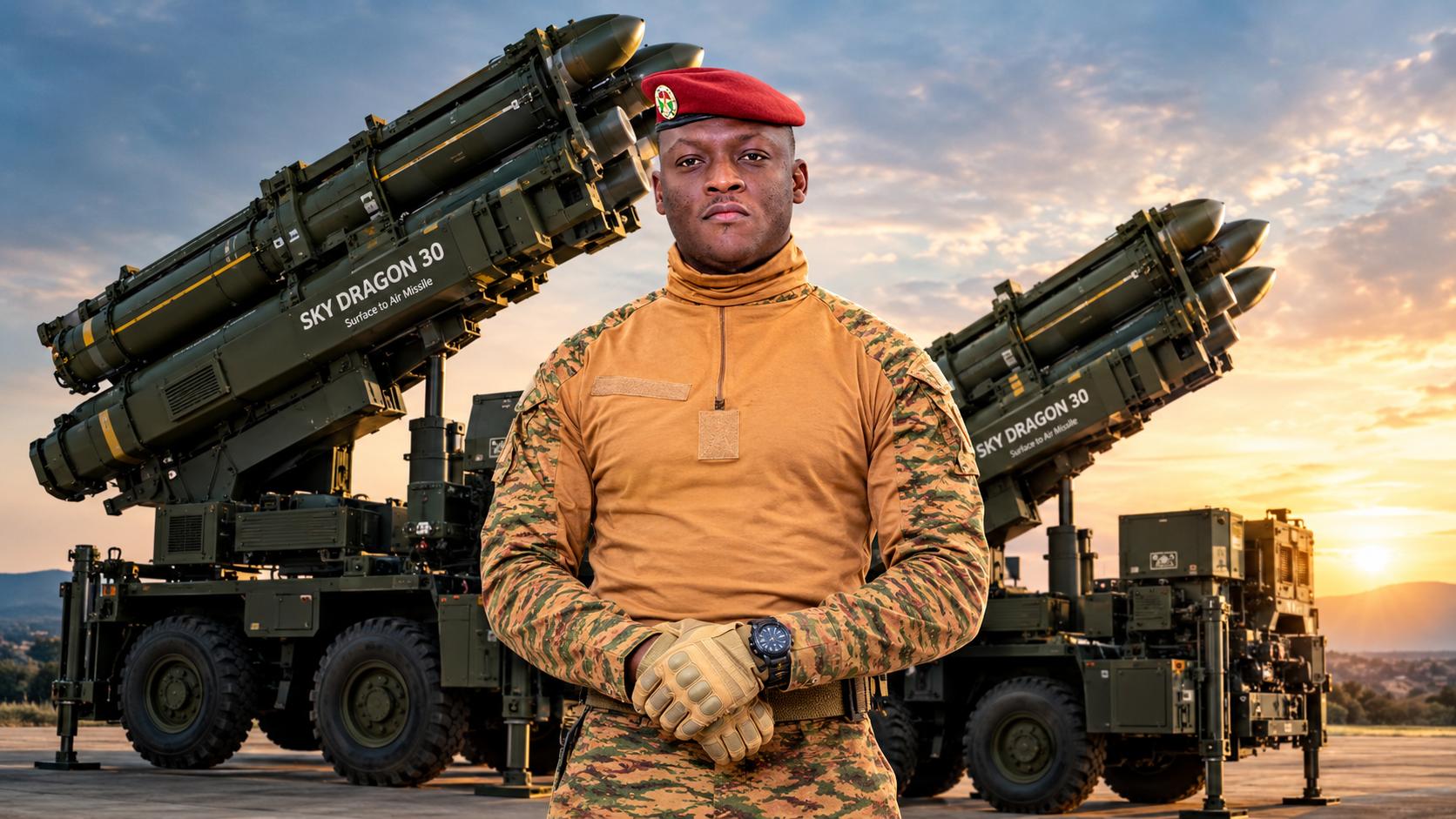
Cameras rolling, armoured vehicles gleaming, triumphant music swelling in the background: the communication machine of Burkina Faso’s transitional government knew precisely how it wanted the unveiling of its latest military trophy to look. Yet the question worth asking is not how imposing the Chinese-made Sky Dragon 30 looks on screen. It is what, exactly, this air-defence system is meant to protect — and who ends up footing the bill when the answer turns out to be no one. In a country where entire villages empty out under the onslaught of…
Read More