An investiture that turned Cotonou into a diplomatic crossroads
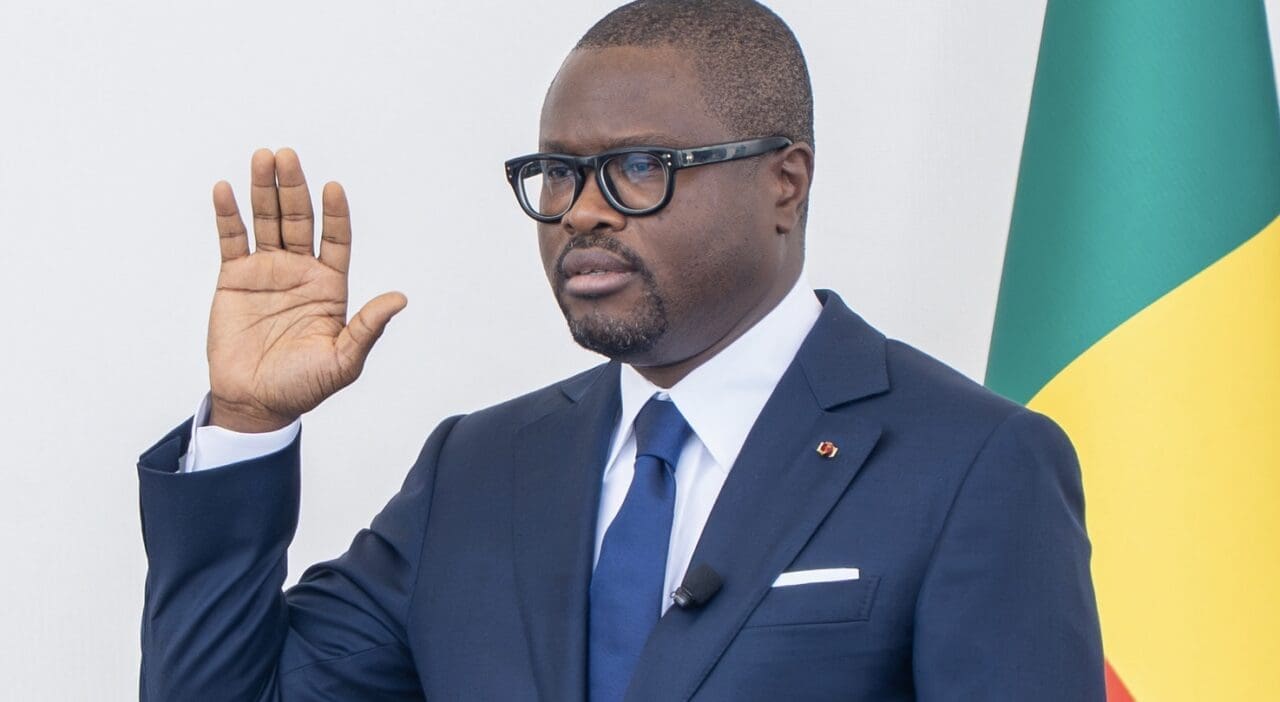
Cotonou’s Palais des Congrès esplanade became the epicenter of West African diplomacy on May 24, drawing an unprecedented turnout for Romuald Wadagni’s investiture. While protocol typically excludes sitting heads of state from such ceremonies, the presence of over 16 foreign delegations underscored the new president’s growing international stature. The attendance of Nigeria’s Vice President and Côte d’Ivoire’s Prime Minister sent a clear signal of Benin’s strategic alignment with the region’s economic powerhouses.
A regional thaw under the spotlight
The ceremony’s most telling moment came when Niger’s Prime Minister Ali Mahamane Lamine Zeine and foreign ministers from Burkina Faso and Mali were announced. The spontaneous ovation from the crowd reflected more than polite applause—it signaled Benin’s deep desire for regional reconciliation. This momentum was set in motion by Wadagni’s pre-inauguration gestures of goodwill, which a visiting Nigerien envoy praised as ‘a new path forward.’
Wadagni has long championed cross-border cooperation, particularly in combating terrorism. His inauguration address left no doubt: ‘Regional nations are now bound to collaborate.’ This stance builds on a campaign promise that resonated across the Sahel, positioning Benin as a unifying force in a fractured neighborhood.
Economic heavyweights gather to honor a finance veteran
The event transcended politics, morphing into a high-profile economic summit. Africa’s corporate titans flocked to Cotonou, with Nigerian billionaire Aliko Dangote rubbing shoulders with Franco-Malagasy tycoon Hassanein Hiridjee, Ivorian industrialist Adama Bictogo, and Gagan Gupta of Arise IIP. Their presence alongside Makhtar Diop, CEO of the International Finance Corporation, was no coincidence—it validated Wadagni’s decade-long tenure as Finance Minister.
Under his watch, Benin achieved one of Africa’s fastest-growing economies, with a projected 6.5% growth for 2026. Fiscal reforms boosted domestic revenue past the 1,000 billion FCFA mark while keeping debt below 55% of GDP. These milestones unlocked investment for flagship projects like the Glo-Djigbé Industrial Zone (GDIZ), developed with Arise IIP. Already generating 25,000 jobs and exporting garments to Europe and the U.S., GDIZ embodies Benin’s pivot toward local value addition—a model the president aims to replicate nationwide.
The global turnout in Cotonou wasn’t merely ceremonial. It reflected confidence in Wadagni’s ability to translate economic promise into enduring progress.