The Burkinabè government’s decision to halt livestock exports ahead of the Tabaski festival marks a bold political move, prioritizing local consumer interests over regional market dynamics. While the intention may be socially driven, the measure carries significant economic contradictions and potential pitfalls.
The paradox of purchasing power: favoring cities over rural areas
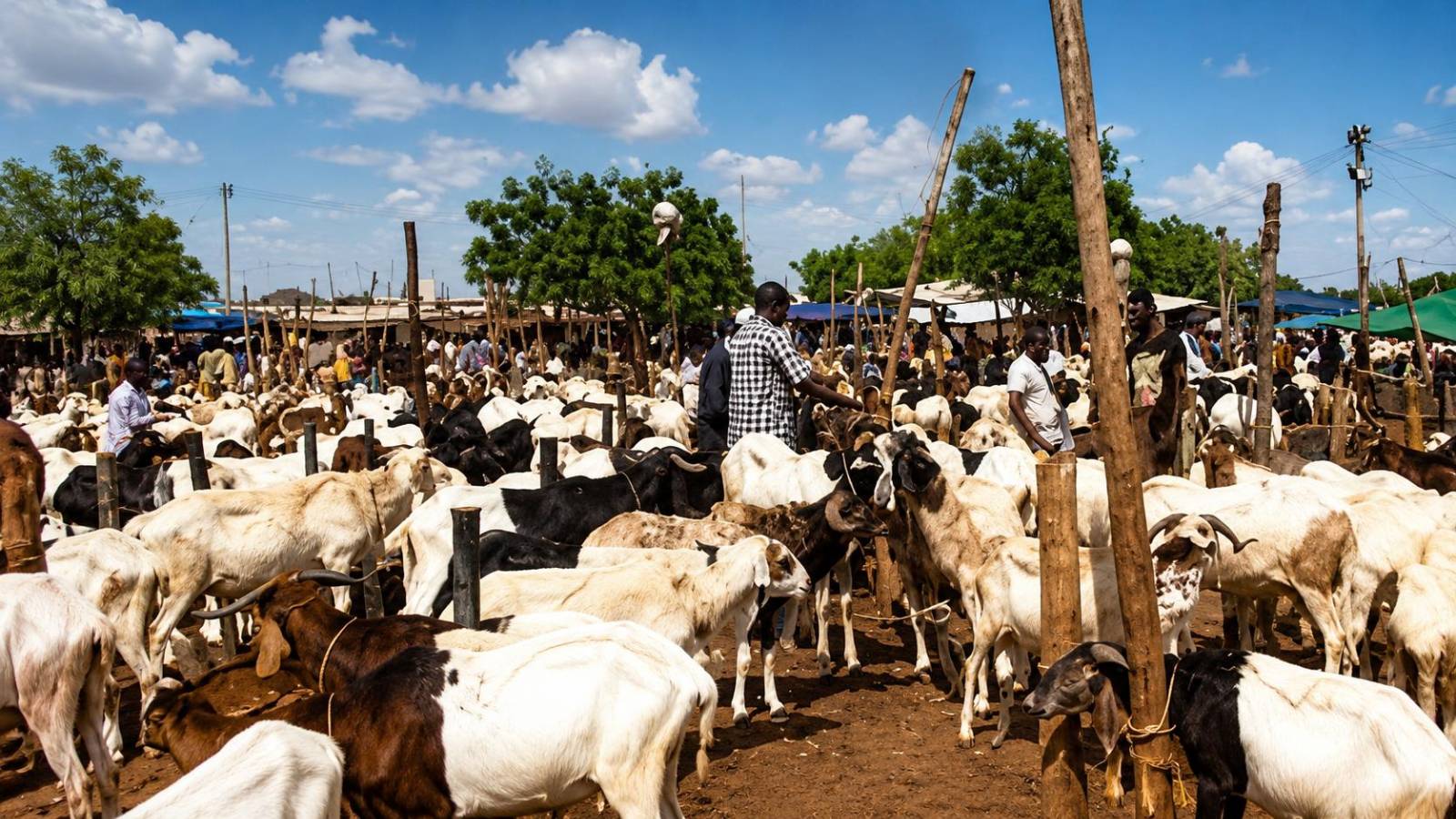
At the heart of this policy lies a stark contradiction. By ensuring affordable mutton prices for urban consumers in Ouagadougou and other cities, the government inadvertently punishes rural producers. These farmers and herders, already grappling with insecurity, cattle theft, and shrinking grazing lands due to the ongoing security crisis, now face an additional blow: the loss of lucrative export markets in Côte d’Ivoire and Bénin. The result? A stark imbalance where urban prosperity comes at the expense of rural survival.
Can Burkina Faso’s domestic market absorb the surplus?
The logic behind the blockade is straightforward: restrict exports to flood the local market and drive down prices. Yet, Burkina Faso’s market has its constraints. Tabaski is a one-time event, and once the celebrations conclude, what becomes of the unsold livestock? Cattle are perishable assets requiring daily upkeep—feed alone is a costly burden. If herders cannot sell their animals domestically or are forced to sell at a loss, the livestock sector risks financial suffocation in the coming months. While the government’s vision to develop modern abattoirs for local processing is commendable, current infrastructure lacks the capacity to handle such a sudden influx of animals.
The geopolitical fallout: straining regional ties
This decision underscores Burkina Faso’s willingness to disrupt regional economic solidarity in pursuit of immediate self-sufficiency. By cutting off livestock exports to Côte d’Ivoire and Bénin, Ouagadougou is weaponizing its livestock sector as a bargaining chip. Yet, trade is a two-way street. Neighboring countries are already seeking alternatives—Côte d’Ivoire, for instance, is turning to Mauritania to meet its demand. The long-term consequence for Burkina Faso could be the permanent loss of long-standing trade partnerships. This move also exposes the fragility of regional integration, where short-term self-reliance trumps the stability of West African trade agreements. On a macroeconomic scale, this gamble is perilous, jeopardizing herders’ livelihoods, threatening the future of the livestock sector, and further isolating Burkina Faso from its natural economic allies.