Côte d’Ivoire’s agriculture and farming policies explained
Côte d’Ivoire stands out as one of West Africa’s most vibrant economies, with agriculture serving as its backbone since independence. While the agricultural sector accounted for nearly 50% of the GDP at that time, its share has since declined to 15.9% in 2024. Despite this shift, agriculture remains the primary employer, engaging 46% of the workforce directly. The country’s trade surplus is heavily reliant on agricultural products, which constituted 51.5% of exports in 2025.
Poverty rates are significantly higher in rural areas, where 54.4% of the population lives below the poverty line, compared to the national average of 37.5%. Employment in these regions is predominantly agricultural. Approximately 90% of farmers in Côte d’Ivoire fall within the lowest income decile, and within the cocoa industry specifically, 60% of farmers live below the national poverty threshold.
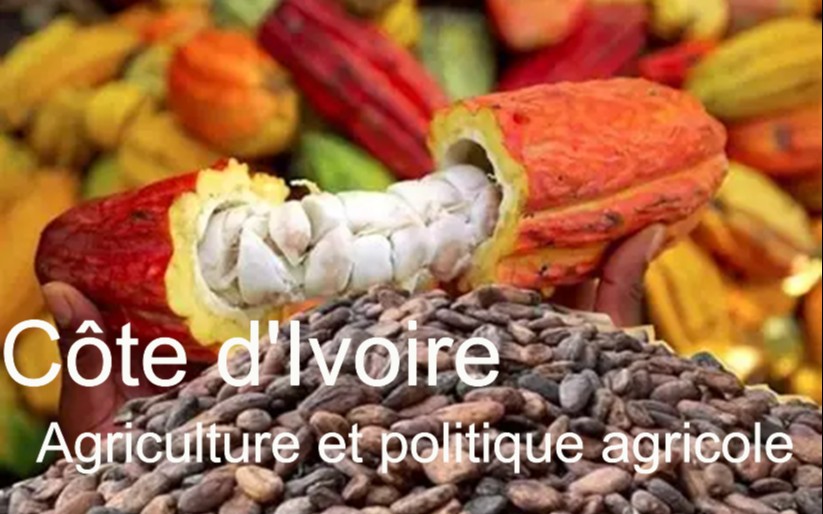
Industrial and cash crops drive Côte d’Ivoire’s agricultural development, placing the country as the world’s leading producer of cocoa and cashew nuts, and the third-largest producer of natural rubber. However, the nation still depends heavily on cereal and fish imports to meet urban food demands. The local food crop production system remains fragmented, largely informal, and faces challenges in accessing markets for smallholder farmers.