The constitutional reform initiative backed by the government in the Democratic Republic of the Congo continues to fuel intense debate. While revival churches have thrown their weight behind the proposal, the Catholic Church is urging caution and stressing the need to protect democratic gains.
This division comes at a time when the revision process has taken a significant step forward: the National Assembly has adopted a bill paving the way for a referendum.
Revival churches back the reform
Revival churches align with the authorities’ argument that the constitution enacted in 2006 no longer fits the country’s institutional realities.
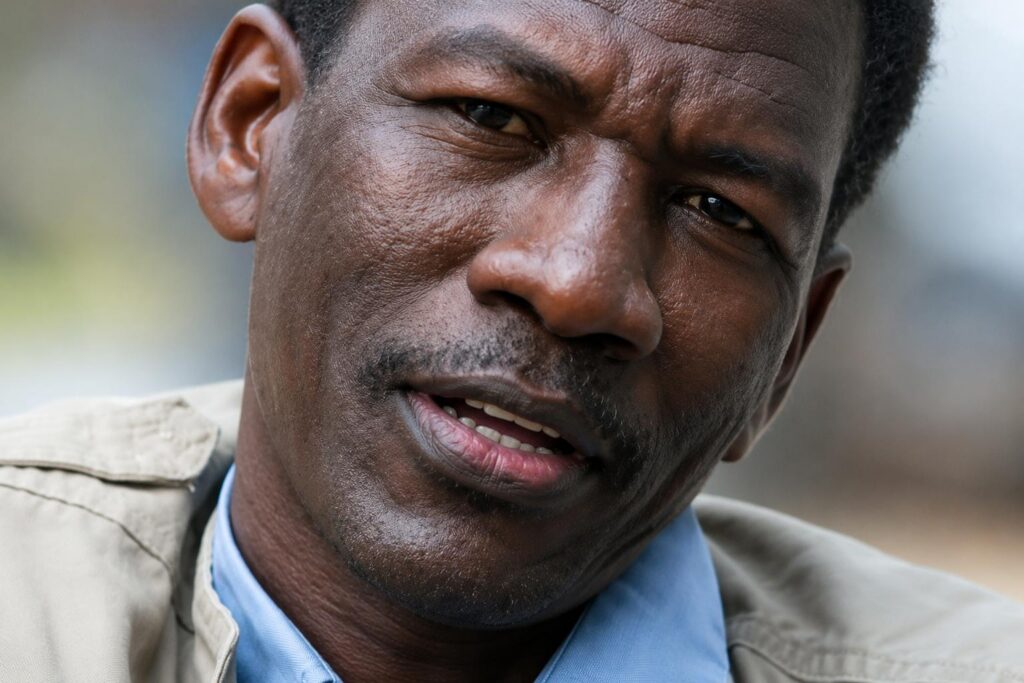
Archbishop Evariste Ejiba Yamampia, who leads the revival churches in Congo, believes the changes could improve governance and spur development.
“This is about the sovereignty of our territory. It is also about governance. Thirdly, it aims at development and the well-being of our people. It will make a difference because we will be able to properly benefit from the country’s wealth. Budget-draining entities can be eliminated,” he explains.
Catholic Church warns against rushing
The National Episcopal Conference of Congo (Cenco) has not yet issued an official position. However, the Council of the Apostolate of Catholic Laypeople in Congo (CALCC) has reiterated the Church’s attachment to the current constitution, which it sees as the bedrock of the young Congolese democracy.
“The Church has always maintained that the current constitution is the foundation of our young democracy. It has also consistently called for dialogue and wisdom. The Catholic Church has regularly reminded those in power that leadership is a service. I also recognize that the Church has always reminded us Catholic laypeople and all people of goodwill living in the DRC that we are called to citizen vigilance,” insists Faustin Onombili, president of CALCC.
Reform faces opposition from political rivals
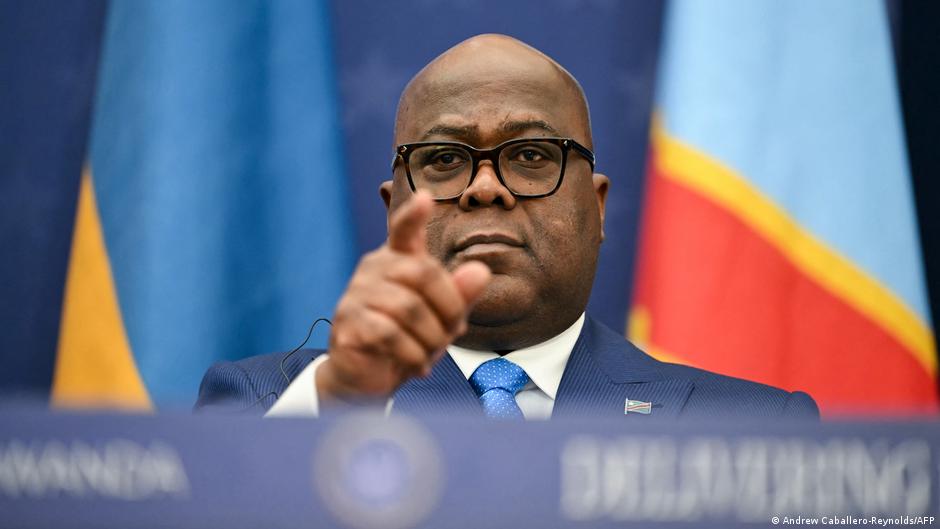
Beyond the religious divide, the reform project is also stoking political tensions. Opposition figures accuse President Félix Tshisekedi of seeking to tweak institutional rules to his own advantage.
The Article 64 Coalition, which denounces what it calls a “constitutional coup,” had planned to file a complaint on Tuesday. It ultimately postponed that step to focus instead on a sit-in scheduled for Friday in front of Parliament.
With the referendum looming, the debate over constitutional reform is more polarized than ever, pitting those who advocate adapting institutions against those determined to preserve the democratic framework established by the 2006 constitution.