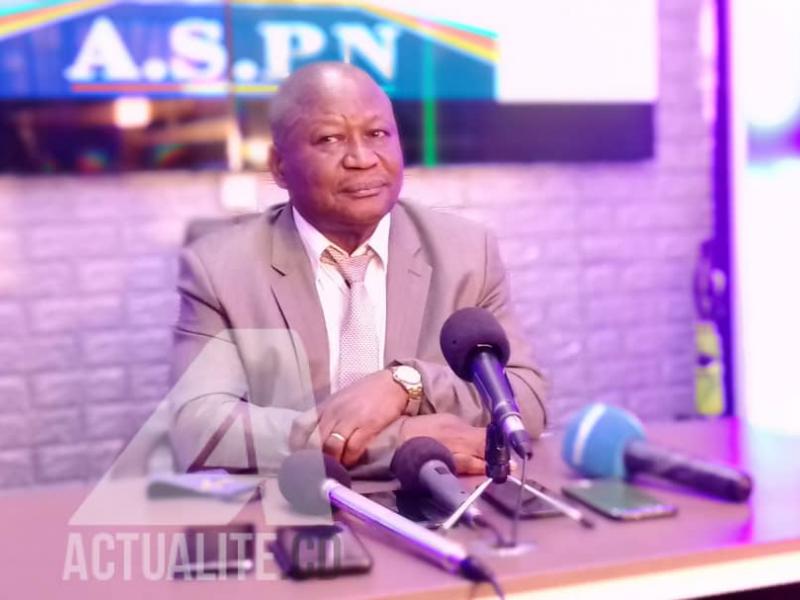
DRC human rights: Paul Nsapu unveils dual challenges in Kinshasa and the east
- Société
Paul Nsapu, who chairs the National Human Rights Commission (CNDH), recently offered a nuanced assessment of the human rights landscape in the Democratic Republic of Congo under the current administration. Speaking during a live discussion, Nsapu acknowledged certain legislative advancements while drawing a clear distinction between two very different realities across the nation.
In the provinces under Kinshasa’s direct authority, Nsapu identified persistent, systemic violations affecting civil, political, economic, and social rights. These include fundamental entitlements such as the right to work, access to healthcare, and education. He attributed these ongoing issues to a cumulative legacy of governmental failures spanning successive regimes, all characterized by a noticeable lack of development and insufficient efforts to improve the daily lives of citizens.
However, the situation in the eastern part of the country presents a far more dire picture. Nsapu highlighted that in areas like Nord-Kivu, Sud-Kivu, and parts of Ituri, the very core of human rights is routinely trampled upon. This includes the fundamental right to life, personal security, and individual liberty. He directly implicated the presence of the Rwandan army and the activities of its allied forces in these territories, which largely operate beyond Kinshasa’s effective control, as critical factors exacerbating this grave human rights crisis.
Related posts

Real Madrid vs RB Leipzig: Champions League clash triggers fierce reactions and reshapes group dynamics
Aftermath of sharp defeats and rising tensions The upcoming Real Madrid vs RB Leipzig showdown in...
Lille’s Ligue 1 upset against Brest sparks intense post-match reactions and reshapes title race
The shock 0-1 defeat suffered by Lille against Brest in the 7th matchday of Ligue 1...
Moussa Kaka’s disappearance in Niger: one month on, outrage grows and questions mount
More than a month has passed since Moussa Kaka, a towering figure in Niger’s journalism and...