human rights violations in DRC: contrasting realities between Kinshasa and eastern provinces
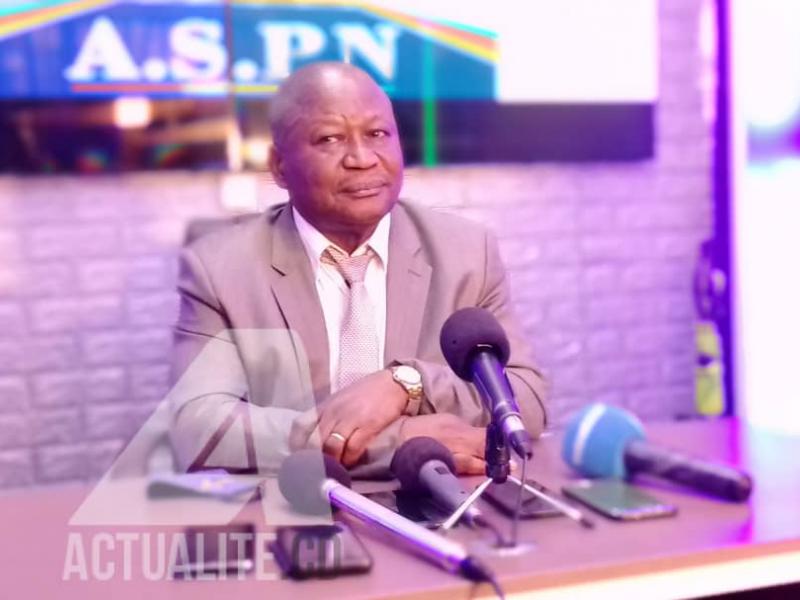
The human rights landscape in the Democratic Republic of Congo (DRC) presents a stark divide, as highlighted by Paul Nsapu, Chair of the National Human Rights Commission (CNDH). During a live discussion on Tuesday, Nsapu acknowledged legislative progress under President Félix Tshisekedi’s administration but emphasized two sharply contrasting situations across the country.
systemic violations in Kinshasa’s controlled provinces
In provinces under the central government’s control, particularly in Kinshasa, violations primarily involve civil, political, economic, and social rights. Nsapu pointed to persistent issues such as the right to work, healthcare, and education, attributing these challenges to decades of governance failures. Successive regimes, he argued, have neglected development and failed to improve living conditions for ordinary citizens.
severe abuses in the eastern DRC
The situation takes a drastic turn in the eastern regions—North Kivu, South Kivu, and parts of Ituri—where fundamental human rights are systematically violated. Nsapu described this as the ‘hard core’ of rights abuses, citing frequent violations of the right to life and security. He directly implicated the presence of Rwandan military forces and their allied militias in exacerbating the crisis, as these groups operate in areas beyond Kinshasa’s control.
Paul Nsapu, Chair of the National Human Rights Commission (CNDH), during a live discussion on Tuesday.
key takeaways
- legislative progress is noted under the current administration, but enforcement remains weak.
- eastern DRC faces severe human rights crises, including threats to life and security.
- foreign military presence and allied militias are identified as major contributors to the escalating abuses.