Gabon: detained opposition leader Bilie By Nze challenges judicial fairness
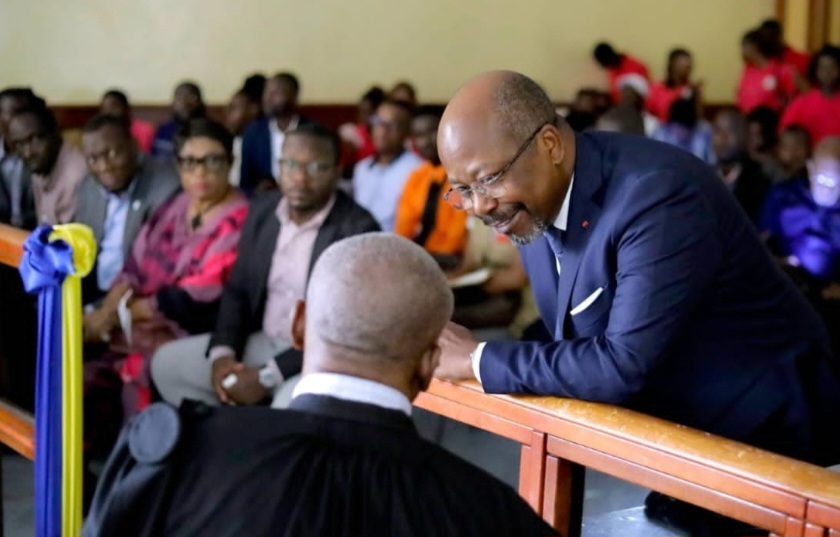
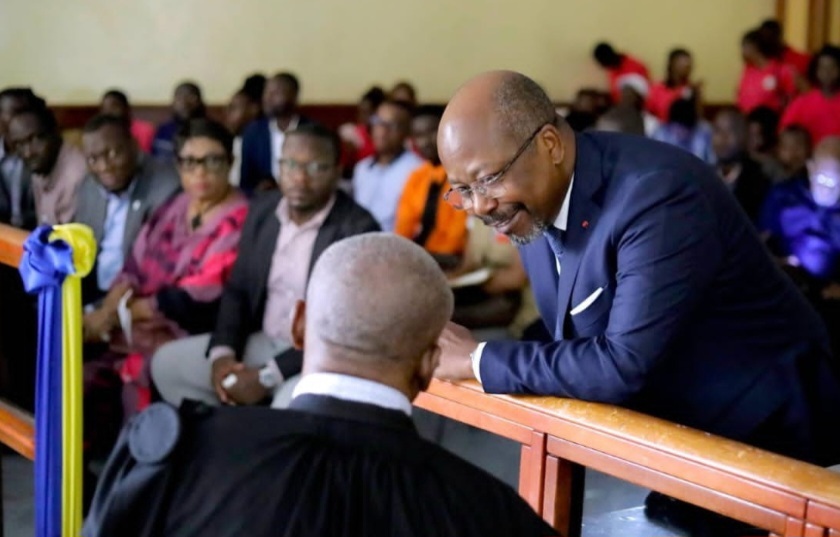
Libreville, June 3, 2026 — The continued detention of former Prime Minister and prominent Gabonese opposition leader Alain-Claude Bilie By Nze has intensified debates over judicial independence and the fairness of legal proceedings in the country. The Court of Appeal in Libreville’s decision to uphold his detention, despite defense arguments, has elevated this case from a routine legal matter to a pivotal test for the nation’s commitment to due process and institutional integrity.
The former head of government remains incarcerated at the central prison since April 16, 2026, following the court’s rejection of his legal team’s request to nullify the proceedings. While the case centers on allegations of embezzlement and fraud dating back to 2008, critics argue that these charges may no longer be legally actionable due to the statute of limitations.
Allegations of procedural flaws and legal irregularities
Bilie By Nze’s defense has raised serious concerns about the conduct of the investigation and trial. They highlight multiple procedural violations, including a contested legal classification of the charges and the absence of a lawyer during the initial 24 hours of detention—a violation of fundamental rights under Gabonese and international law.
According to legal experts, the case raises critical questions about the transparency and rigor of judicial processes in politically sensitive matters. The defense contends that the prosecution’s case lacks sufficient evidence to justify prolonged pretrial detention, framing the situation as a breach of fair trial guarantees.
A politically charged legal battle
The timing of the detention has amplified its political significance. Bilie By Nze, once a key figure in the administration of former President Ali Bongo Ondimba, now stands as a leading opposition voice under the current government of President Brice Clotaire Oligui Nguema, elected in 2025. His case has become a focal point for critics who question the impartiality of the judiciary and the motives behind his prosecution.
While President Oligui Nguema has publicly distanced himself from the case, asserting that it falls entirely under the judiciary’s purview, skepticism persists. Opposition figures and civil society observers argue that the proceedings reflect broader concerns about the balance of power between state institutions and the preservation of democratic norms in post-election Gabon.
A litmus test for judicial independence
The Court of Appeal’s refusal to grant provisional release or nullify the case has placed Gabon’s judiciary under intense scrutiny. The defense’s arguments—rooted in the statute of limitations and alleged irregularities—have sparked a national conversation about the integrity of legal institutions and their capacity to operate free from political influence.
More than a verdict on Bilie By Nze’s guilt or innocence, this case has become a referendum on the state of the rule of law in Gabon. As the country undergoes institutional reforms, each high-profile judicial decision is being closely watched to gauge the maturity of its democratic institutions and the public’s trust in them.
At its core, the issue extends beyond individual rights to the very foundations of governance. The judiciary’s ability to deliver fair, transparent, and internationally compliant rulings is now under the microscope, with far-reaching implications for political stability and citizen confidence in the state.