Fuel shortages paralyze Ségou’s economy in central Mali
Since September 2025, Ségou, a key economic hub in central Mali located over 200 kilometers from Bamako, has been grappling with severe fuel shortages. These disruptions have crippled local businesses and strained daily life for residents.
Insufficient fuel supply reaching the city
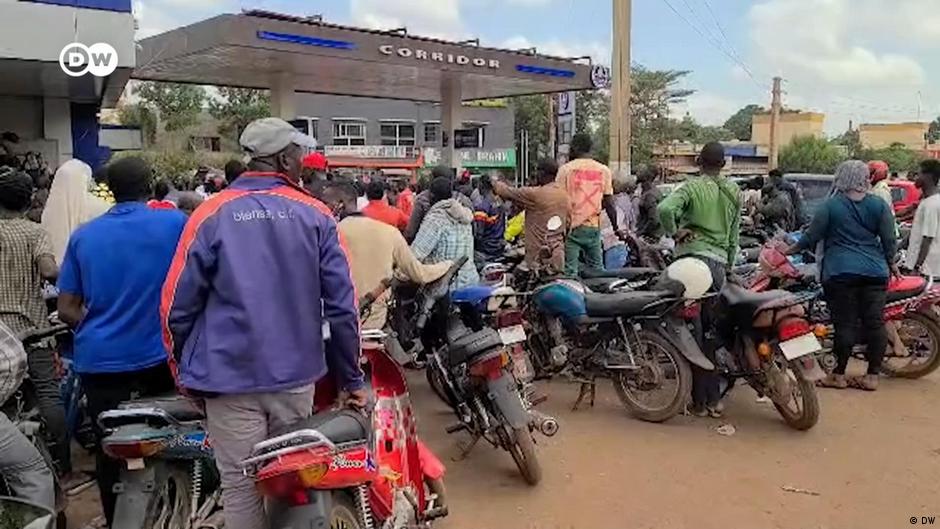
The Malian Armed Forces (FAMa) secure and escort fuel convoys to Ségou, but these deliveries occur only two to three times per month due to persistent security threats in the region. Each delivery typically involves over a dozen tanker trucks, with most fuel allocated to industrial producers and Énergie du Mali (EDM), the national electricity company. Only three to four trucks are directed to local gas stations, whose supplies are depleted within 48 hours.
Residents report frequent stockouts and soaring black market prices, while calling for more reliable fuel distribution systems.
Black market fuels profiteering amid shortages
As soon as gas stations run dry, informal sellers take over. In multiple neighborhoods across Ségou, gasoline is sold at 2,000 to 5,000 West African CFA francs per liter—far exceeding official prices.
Many locals suspect that opportunistic traders are exploiting the crisis, selling fuel openly without fear of intervention. The origins of this black market fuel remain unclear, but its impact on daily life is undeniable.
Local economy and mobility hit hard
The fuel shortage has significantly slowed economic activity in the city. Major roads show reduced traffic, and public transportation has been particularly affected. Fares for motorized tricycles, known locally as katakatani, have doubled from 100 to 200 CFA francs, burdening students, workers, and commuters alike.
To curb illegal fuel transport, the FAMa has intensified road patrols and checkpoints. Despite these efforts, residents continue demanding a sustainable solution to an escalating crisis that threatens Ségou’s economic stability.