Morocco’s water strategy: a legacy of resilience under His Majesty King Mohammed VI
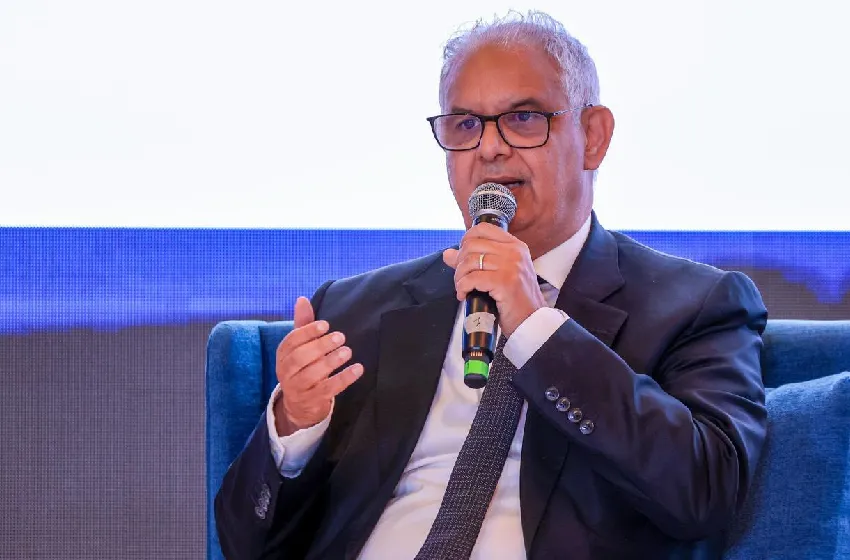
Morocco’s water sovereignty has been fundamentally reshaped by a bold national strategy centered on dam construction, a vision championed by His Majesty King Mohammed VI. This policy has not only fortified the country’s hydric independence but also yielded a robust network of hydraulic assets, Minister of Equipment and Water Nizar Baraka revealed during the second edition of the MAP Town Hall in Rabat.
By the end of 2026, Morocco will boast 156 major dams, with a combined storage capacity of 20.8 billion cubic meters. An additional 14 dams are currently under construction, a testament to the Kingdom’s advanced expertise in hydraulic engineering, technical studies, civil engineering, and water infrastructure management. This progress stems directly from the proactive vision of His Majesty the King, ensuring long-term water security for both urban and rural communities.
Expanding hydric infrastructure for national resilience
Between 2021 and 2026 alone, Morocco completed eight major dams, reinforcing its ability to meet water demand sustainably. Thanks to this infrastructure and favorable rainfall, the country now enjoys at least two years of water security for drinking water and irrigation nationwide. This milestone underscores the effectiveness of the national strategy in safeguarding the population’s access to this vital resource.
The government is also prioritizing small dams to further enhance hydric resilience. A joint initiative with the Ministry of the Interior aims to construct 155 small dams by 2028, targeting rural water access, groundwater recharge, and the preservation of strategic reserves for future generations. These efforts align with the Royal Vision to ensure equitable territorial development and reduce disparities between regions.
A diversified approach to water security
Morocco’s hydric sovereignty is built on multiple pillars, including:
- Basin-based governance to optimize water distribution and management.
- Seawater desalination, with a goal to cover 60% of potable water needs by 2030.
- Wastewater recycling to bolster supply and sustainability.
- Climate adaptation strategies to mitigate drought risks and ensure long-term viability.
The country is also developing water highways—strategic inter-basin connections—to strengthen solidarity in water distribution. These infrastructures will secure supply for major urban centers while extending benefits to rural areas, fostering a more balanced and inclusive hydric ecosystem.
Expert insights: challenges and solutions for sustainable water management
International development expert Mohammed Benahmed highlighted Morocco’s position as a leader in African hydric infrastructure, emphasizing the need for long-term management. He stressed that sustaining such a vast network requires:
- Performance evaluations of existing assets.
- Multi-year budgeting for maintenance and upgrades.
- Innovative financing models, including green bonds, concessionary climate funds, and blended public-private partnerships.
Mohamed Amrani, Senior Policy Officer for North Africa at the FAO, echoed these views, noting that hydric sovereignty depends on balancing equity, sustainability, and productivity. He added that effective governance must avoid excessive costs while ensuring reliable supply, reinforcing Morocco’s commitment to responsible water stewardship.
The MAP Town Hall, a reimagined forum for dialogue, brought together policymakers, experts, and media to discuss these critical issues. The event fostered constructive exchanges on water security, territorial justice, and the Kingdom’s pioneering role in shaping Africa’s hydric future.